



1050A/1060 H18 Aluminum Plate For PS/CTP Substrate
Customer service is online. Enter the chat to get the latest quotation.
 Spot stock
 Customize
 Factory direct sale
 7 days delivery
When manufacturing high-precision offset printing plates, the quality of the aluminum substrate directly determines the final printing resolution and plate lifespan. The 1050A and 1060 aluminum plates are the global standard materials for PS (Photosensitive) and CTP (Computer-to-Plate) substrates.
At GNEE, we supply premium high-purity aluminum coils and sheets designed specifically for the printing industry. With exceptional surface quality, strict thickness tolerances, and superior flatness, our aluminum substrates ensure stable coating adhesion and reliable performance on the printing press.
1050A/1060 aluminum plate Description
Both 1050A and 1060 belong to the 1000 series pure aluminum alloys. They are characterized by their extremely high aluminum content and low impurity levels.
In the offset printing process, the aluminum plate acts as the base carrier. It goes through surface degreasing, electrochemical graining, and anodizing before a light-sensitive coating is applied. Because the chemical reactions during these processes are highly sensitive, the aluminum substrate must have a stable metallurgical structure. 1050A (≥99.5% purity) and 1060 (≥99.6% purity) provide exactly this stability, making them the most widely used materials in the global lithographic printing industry.
Why Choose 1050A / 1060 aluminum plate for Printing Plates?
Producing CTP and PS plates is a demanding process. Any minor defect on the raw aluminum can cause missing dots or ink smudges on the final printed product. Here is why 1050A and 1060 are the top choices:
1. High Purity for Surface Consistency
The chemical purity is critical. 1050A offers 99.5% minimum aluminum, while 1060 offers 99.6%. By strictly controlling impurities like Iron (Fe) and Silicon (Si), these alloys ensure that the electrochemical graining process creates a uniform micro-pore structure across the entire plate. This allows the photosensitive coating to adhere strongly and evenly.
2. Excellent Surface Quality
For CTP plates, the surface must be flawless. Our 1050A and 1060 aluminum plates are produced with strict surface inspection. They are free from roll marks, oil spots, scratches, and oxidation patches. A clean, smooth surface is the foundation of a high-resolution printing plate.
3. Superior Flatness & Dimensional Stability
During the printing process, the plate wraps around a fast-spinning cylinder. If the aluminum plate is not perfectly flat, it will cause inaccurate color registration. Our plates undergo strict tension leveling to achieve a flatness of ≤ 5 I-units, ensuring smooth operation on high-speed offset presses.
4. Outstanding Anodizing Performance
Before the light-sensitive coating is applied, the aluminum must be anodized to create a hard, wear-resistant oxide layer. 1050A and 1060 react consistently during the anodizing process, forming a uniform protective layer that greatly improves the printing durability (run length) of the plate.

Are you experiencing uneven graining or coating failures with your current material?
The issue might be the impurity levels in your aluminum substrate. Share your current production problems with us. Our material engineers will provide free technical consultation and recommend the exact 1050A or 1060 specifications for your line.
Click Here to Request a Free Material Sample for Testing
Chemical composition of aluminum CTP substrate for printing
| Element | 1050 (GB/T3103) | 1060 (GB/T3103) |
| Al | 99.50% | 99.60% |
| Si | ≤0.25% | ≤0.25% |
| Fe | ≤0.40% | ≤0.35% |
| Cu | ≤0.05% | ≤0.05% |
| Mn | ≤0.05% | ≤0.03% |
| Mg | ≤0.05% | ≤0.03% |
| Zn | ≤0.05% | ≤9.05% |
| V | ≤0.05% | ≤0.05% |
| Ti | ≤0.03% | ≤0.03% |
| other | ≤0.03% | ≤0.03% |
1050 1060 Aluminum Sheet Plate CTP plate base performance parameters
| Alloy | 1050A | 1060 |
| Tensile strength (normal temperature) | 185~215 MPa | 200~230 MPa |
| Tensile strength (baking plate) | 125~140 MPa | 125~140 MPa |
| Elongation after break | >1% | >1% |
1050 and 1060 pure aluminum sheet specifications:
| Alloy | 1050 1060 |
| Temper | H18 |
| Thickness | 0.13-0.40mm |
| Width | 650-2250mm |
| Length | 100-16000mm |
| Reel core | aluminum core, iron core or paper core; |
| Delivery | inner diameter Ф405mm, 505mm, etc. |
| Application | PS plate/CTP plate/UV plate, etc. |

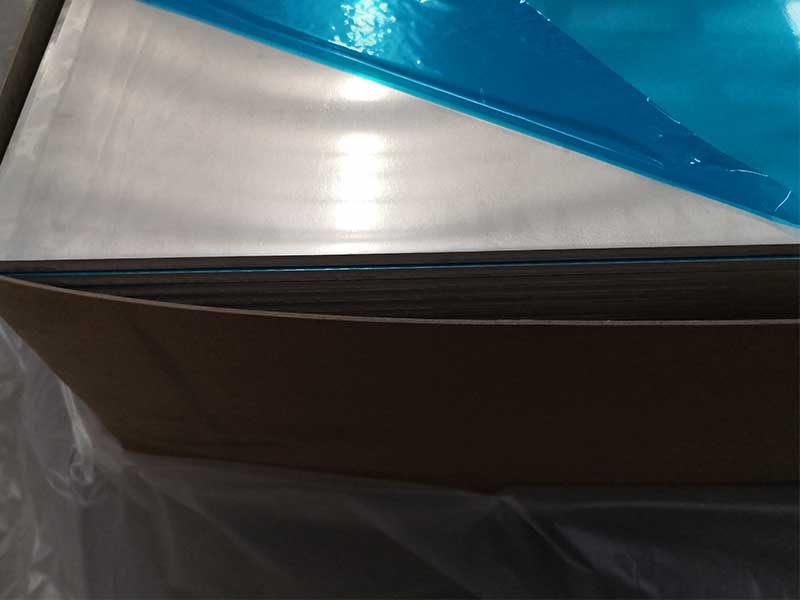
Common Applications of 1050A/1060 H18 aluminum plate for PS/CTP substrate
1050A and 1060 aluminum coils and sheets are not structural materials; they are precision industrial substrates. Our customers use them to manufacture:
Thermal CTP Plates: Used for high-end commercial offset printing, such as glossy magazines, high-quality product catalogs, and cosmetic packaging boxes.
UV-CTP (CTCP) Plates: Widely used for standard commercial printing and newspaper production.
Traditional PS Plates: Used for conventional offset printing presses in developing markets.
High-End Printing Base Materials: Any lithographic application requiring exact image reproduction.

Common Types of Printing Plates Using Aluminum Substrates
Our 1050A and 1060 aluminum plates are perfectly suited for various advanced lithographic (offset) printing technologies. Because 1-series aluminum has high thermal conductivity and takes chemical coatings exceptionally well, it is used to manufacture the following common plate types:
PS Plate (Photosensitive Plate)
The traditional PS plate is the backbone of conventional offset printing. Our aluminum base is covered with a photosensitive coating. Through traditional UV exposure through a physical film and subsequent chemical development, the image is transferred to the plate. It is widely used in standard commercial and packaging printing.
CTP Plate (Computer-to-Plate)
CTP represents modern printing efficiency. It completely bypasses the traditional film-making process. The digital image from a computer is directly transferred onto the aluminum plate via a laser imaging head. This highly improves precision, sharpens image details, and drastically speeds up the plate-making process.
Thermal CTP Plate
Thermal CTP plates rely on heat rather than light. They use a special thermal coating that reacts to infrared laser heads. Thermal plates are famous for their incredibly sharp dot reproduction and high-resolution output. Because thermal lasers generate heat, the excellent thermal conductivity of our 1050A/1060 aluminum ensures stable imaging without warping the metal.
UV-CTP Plate (CTCP)
Also known as CTCP (Computer-to-Conventional-Plate), this technology uses high-intensity ultraviolet lasers to expose the plate. It combines the digital speed of CTP with the cheaper coating materials of traditional PS plates. Our aluminum substrates provide the perfect flat surface required for rapid UV curing and high-speed web printing.
Photosensitive CTP Plate
This includes violet laser or silver halide plates. They rely on light-sensitive chemical reactions to form the printing areas. Our high-purity aluminum ensures that the background (non-printing area) remains clean and highly hydrophilic (water-receptive), preventing ink smudges on the final paper.
Positive Lithographic Plates
In standard offset printing, positive plates are designed so that the areas exposed to light are dissolved during development, leaving the unexposed areas to hold the ink. Our aluminum plates provide an excellent anodic oxide layer that prevents the unexposed coating from washing away prematurely.
(Note: Aluminum substrates are dedicated to offset lithography. They are generally not used as the core plate material for gravure, flexographic, or screen printing.)
How to choose 1050A and 1060 aluminum plates for CTP base
Performance Requirements
- 1060 Aluminum (≥99.6% Al): Because it has a slightly higher purity and specific metallurgical control, 1060 offers slightly better formability and consistent elongation. When your plate needs to be tightly clamped around a fast-spinning printing cylinder without cracking at the edges, 1060 provides that extra bit of mechanical reliability. It also reacts very uniformly in electrochemical graining baths.
- 1050A Aluminum (≥99.5% Al): This alloy provides standard, highly reliable mechanical properties. For the vast majority of standard printing applications where extreme edge bending or maximum run lengths are not the primary concern, 1050A is more than sufficient.
Cost Considerations
- 1050A Aluminum: Due to its slightly lower purity requirement, the refining process is slightly less demanding. This makes 1050A a highly cost-effective choice for large-volume production of standard printing plates.
- 1060 Aluminum: This alloy is generally slightly more expensive. However, for manufacturers targeting the high-end commercial printing market-where every detail of dot reproduction matters-the small premium paid for 1060 is easily recovered by the premium price of the final CTP plate.
The Final Verdict on Selection
If you are demanding high-end CTP plates for extremely long print runs, or if your application requires slightly better mechanical formability, 1060 is the first choice. For standard commercial printing markets where cost control is a priority, 1050A provides the best economical solution.
Processing and Manufacturing Capabilities
Producing aluminum for the printing industry requires much higher precision than standard commercial aluminum. At GNEE, our production line includes:
Cold Rolling: We use advanced cold rolling mills to achieve strict thickness tolerances. A 0.30mm plate will be exactly 0.30mm across the entire width.
Tension Leveling: This process removes internal stress from the metal, ensuring the plate lies completely flat on the printing press.
Surface Cleaning: We offer degreased options, washing away rolling oils so the material is ready for your chemical graining line immediately upon delivery.


Packaging and Delivery Standards
Printing plate substrates are highly sensitive to moisture, dust, and physical impact. We use specialized export packaging to guarantee the material arrives in perfect condition.
Clean Packaging: All materials are handled and packed in a clean environment to prevent dust contamination.
Moisture-Proof Protection: Coils and sheets are heavily wrapped in neutral craft paper and thick plastic moisture-barrier films. Silica gel desiccants are placed inside to prevent water stains and oxidation during ocean freight.
Sturdy Wooden Pallets: Standard export wooden pallets are used to prevent edge damage and deformation during forklift loading and unloading.

Testing and Certification


Why Choose GNEE as Your Substrate Supplier?
As a leading Chinese aluminum supplier, GNEE understands the strict requirements of the lithographic printing industry. We offer a stable supply of high-purity 1000 series aluminum with ISO-certified manufacturing processes. By choosing GNEE, you get direct factory pricing, consistent chemical composition across every batch, and rich global export experience.
Get a Fast Wholesale Quote Today
Do you want to lower your raw material costs without compromising on your printing plate quality? Stable supply and high yield rates start with the right aluminum substrate.
Send your inquiry to the GNEE team with your specifications:
- Alloy Choice (1050A or 1060)
- Exact Thickness and Width
- Format (Coil or Cut Sheets)
- Monthly purchase volume
Contact Us Now - Get a Competitive Quote within 24 Hours
Hot Tags: 1050a/1060 h18 aluminum plate for ps/ctp substrate, China 1050a/1060 h18 aluminum plate for ps/ctp substrate manufacturers
Previous
No InformationYou Might Also Like


Send Inquiry