



Aluminum Sheet
GNEE Aluminum: Leading Aluminum Sheet Supplier In China
Welcome to GNEE. We are a direct manufacturer and global supplier of industrial and commercial aluminum sheets. We supply 1000 to 8000 series aluminum materials to metal distributors, construction contractors, and manufacturing plants worldwide.
Quick delivery
7 – 20 days depending on quantity
Free sample
Products sample are available
Quality Assurance
ASTM/EN/ISO Certified Marine Certifications
24/7 Support
Dedicated support


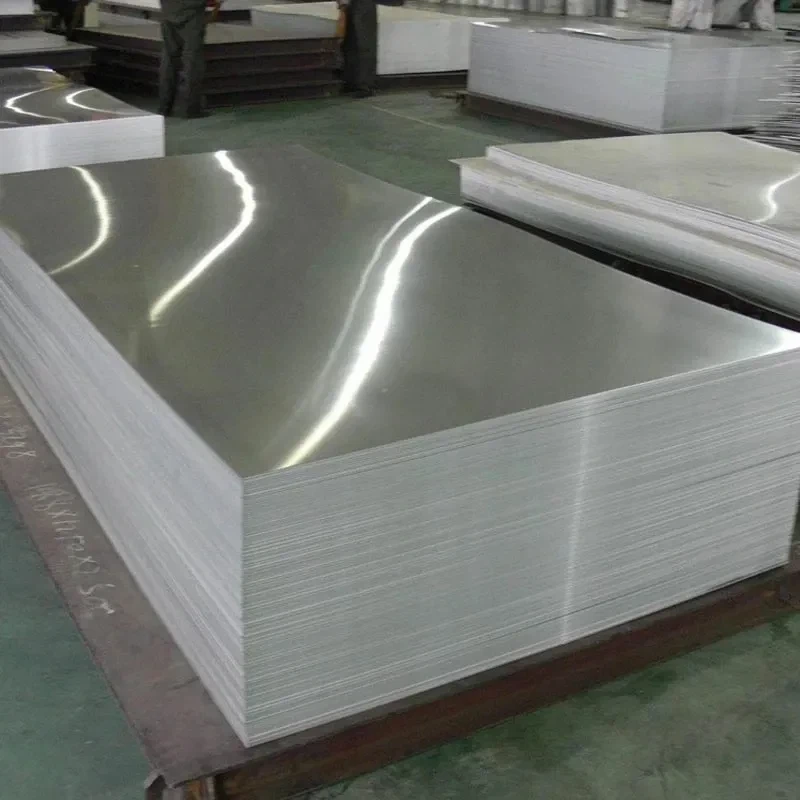

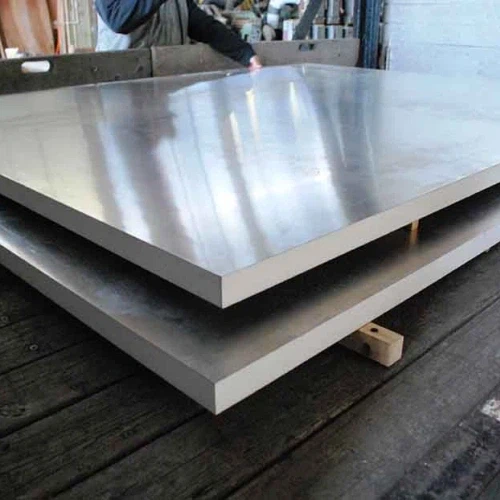
We supply a comprehensive range of aluminum sheets customized to your exact specifications:
| Alloy Grade | Temper | Thickness Range (mm) | Width Range (mm) | Standard Widths (mm) |
|---|---|---|---|---|
| 1100 / 1050 / 1060 | O / H12 / H14 / H16 / H18 / H22 / H24 / H26 / H32 / H34 / H36 | 0.1 – 500 | 100 – 3000 | 1000 / 1250 / 1500 / 2000 |
| 2024 / 2A12 / 2017 / 2A11 | O / T4 / T3 / T6 / T8 / T351 / T851 | 0.5 – 200 | 500 – 2500 | 1220 / 1250 / 1500 / 2000 / 2200 / 2500 |
| 3003 / 3004 / 3104 / 3005 / 3105 | O / H12 / H14 / H16 / H18 / H22 / H24 / H26 / H32 / H34 / H36 / H38 / T4 | 0.3 – 200 | 100 – 2500 | 1000 / 1250 / 1500 / 2000 |
| 5052 / 5754 / 5083 / 5086 / 5454 / 5005 | O / H111 / H112 / H321 / H114 / H12 / H14 / H24 / H32 / H34 / H18 / H38 | 0.3 – 200 | 100 – 2500 | 1220 / 1250 / 1500 / 2000 / 2200 / 2500 |
| 6061 / 6063 / 6082 / 6005 | O / T4 / T3 / T6 / T651 | 0.3 – 200 | 100 – 2500 | 1000 / 1250 / 1500 / 2000 |
| 7075 / 7050 / 7150 / 7085 / 7003 / 7330 | O / T3 / T4 / T6 / T73 / T74 / T76 / T77 | 0.5 – 500 | 100 – 4000 | 1220 / 1250 / 1500 / 2000 / 2200 / 2500 |
Surface Finishes: Mill finish, Color-coated, Embossed (Tread plate), and customized protective films (PE/PVC).
If you require more specifications and dimensions of aluminum materials, please consult our aluminum materials department.
Chemical Composition of Commonly Used Aluminum Alloy Sheets
Note: 2xxx series = high Copper, 5xxx series = high Magnesium, 7xxx series = high Zinc. These are the key alloying elements that determine performance.
| Alloy | Si | Fe | Cu | Mn | Mg | Cr | Zn | Ti | Al |
|---|---|---|---|---|---|---|---|---|---|
| 1060 | ≤0.25 | ≤0.35 | ≤0.05 | ≤0.03 | ≤0.03 | - | ≤0.05 | ≤0.03 | ≥99.60 |
| 2024 | ≤0.50 | ≤0.50 | 3.8–4.9 | 0.30–0.90 | 1.2–1.8 | ≤0.10 | ≤0.25 | ≤0.15 | Remainder |
| 3003 | ≤0.60 | ≤0.70 | 0.05–0.20 | 1.0–1.5 | - | - | ≤0.10 | - | Remainder |
| 5052 | ≤0.25 | ≤0.40 | ≤0.10 | ≤0.10 | 2.2–2.8 | 0.15–0.35 | ≤0.10 | - | Remainder |
| 6061 | 0.4–0.8 | ≤0.70 | 0.15–0.40 | ≤0.15 | 0.8–1.2 | 0.04–0.35 | ≤0.25 | ≤0.15 | Remainder |
| 7075 | ≤0.40 | ≤0.50 | 1.2–2.0 | ≤0.30 | 2.1–2.9 | 0.18–0.28 | 5.1–6.1 | ≤0.20 | Remainder |
Note: 4xxx series (Al-Si alloys such as 4032) are mainly used for welding wire and forging materials, and are not commonly supplied as standard sheet products.
Typical Mechanical Properties of Commonly Used Aluminum Sheets
Note: Mechanical properties vary significantly depending on temper condition. The following data represents the most commonly supplied tempers in the global market.
| Alloy & Temper | Tensile Strength (MPa) | Yield Strength (MPa) | Elongation (%) | Typical Characteristics |
| 1060 - H24 | 95 – 130 | ≥75 | ≥6 | Excellent bending, high electrical conductivity |
| 2024 - T3 | ≥440 | ≥290 | ≥10 | High strength (Aerospace & military applications) |
| 3003 - H14 | 145 – 195 | ≥120 | ≥8 | Good corrosion resistance, suitable for roofing & deep drawing |
| 5052 - H32 | 210 – 260 | ≥130 | ≥10 | Marine grade, excellent for bending |
| 6061 - T6 | ≥290 | ≥240 | ≥8 | Ideal for CNC machining and structural parts |
| 7075 - T6 | ≥540 | ≥460 | ≥7 | Ultra-high strength, not suitable for bending |
Typical Physical Properties of Commonly Used Aluminum Alloy Sheets
Note: Density is essential for weight calculation and freight estimation. Electrical conductivity is critical for electrical and thermal applications.
| Alloy | Density (g/cm³) | Melting Point (°C) | Thermal Conductivity (W/m·K) | Electrical Conductivity (% IACS) |
| 1060 | 2.71 | ~650 | 234 | 61 |
| 2024 | 2.78 | 500 – 638 | 121 | 30 |
| 3003 | 2.73 | 643 – 654 | 193 | 41 |
| 5052 | 2.68 | 607 – 649 | 138 | 35 |
| 6061 | 2.70 | 582 – 652 | 167 | 43 |
| 7075 | 2.81 | 477 – 635 | 130 | 33 |
Weight Calculation Formula:
Length (m) × Width (m) × Thickness (mm) × Density = Weight (kg)
High-Precision Thickness Tolerances of Commonly Used Aluminum Alloy Sheets
Note: Tight tolerance control is critical for CNC machining and precision stamping. High-precision tolerances are available upon request.
| Specified Thickness (mm) | Standard Tolerance (mm) | High-Precision Tolerance (mm) |
| 0.20 – 0.40 | ±0.03 | ±0.015 |
| 0.41 – 0.80 | ±0.04 | ±0.02 |
| 0.81 – 1.20 | ±0.05 | ±0.025 |
| 1.21 – 2.00 | ±0.06 | ±0.03 |
| 2.01 – 3.00 | ±0.08 | ±0.04 |
| 3.01 – 6.00 | ±0.12 | ±0.06 |
High-precision tolerances must be specified in the inquiry for critical applications.
Benefits of Aluminum Sheet
Lightweight
Aluminum sheet is about 1/3 the weight of steel.
It is easy to handle and helps reduce transport and installation cost.
Corrosion Resistance
Aluminum does not rust easily in normal environments.
Some alloys have better corrosion resistance, such as 3003 and 5052.
Strength
Aluminum sheet is light but still strong.
It is suitable for basic structural use and general industrial applications.
Formability
Aluminum sheet is easy to form.
It can be bent, rolled, or stamped into different shapes.
Food & Chemical Use
Aluminum does not react easily with food or chemicals.
It is widely used for containers and storage applications.
Reflectivity
Aluminum reflects light and heat.
It is used for lighting panels and heat insulation.
Fire Performance
Aluminum does not burn and does not release toxic gas.
It is safe for general building use.
Recyclable
Aluminum can be recycled and reused.
This helps reduce material waste and cost.
Flexible Sizes
Aluminum sheet is available in different thickness and sizes.
Custom size is also available.
Cost-Effective
Aluminum sheet is cost-effective compared with stainless steel.
It is widely used in many industries for this reason.
Types of Aluminum Sheet Metal
Perforated Aluminum Sheet
Perforated aluminum sheet has holes punched into the surface.
It is mainly used for:
ceiling panels
sun shades
wall panels and screens
It is also used in food processing, pharmaceutical, and laboratory equipment where airflow or filtration is needed.
Checker Plate Aluminum Sheet
Checker plate has raised patterns on one side and a flat surface on the other side.
It is also called tread plate or floor plate.
It is used for:
flooring
loading areas
ramps
walkways
It provides anti-slip performance and is suitable for areas with frequent foot traffic.
Brushed Aluminum Sheet
Brushed aluminum sheet has a uniform line pattern on the surface.
It is used for:
interior decoration
panels and covers
household appliances
It is mainly chosen for appearance, not for structural use.
Anodized Aluminum Sheet
Anodized aluminum sheet has a protective oxide layer on the surface.
This layer improves:
corrosion resistance
wear resistance
surface hardness
It is used for:
decorative panels
building materials
signs and nameplates
It is also suitable for applications where a stable surface finish is required.
Corrugated Aluminum Sheet
Corrugated aluminum sheet has wave or trapezoidal shapes on the surface.
It is mainly used for:
roof sheets for houses and factories
wall panels for warehouses
simple shelters and sheds
It is light, easy to install, and suitable for outdoor use.
Mirror Aluminum Sheet
Mirror aluminum sheet has a highly reflective surface.
It is used for:
decorative panels
lighting reflectors
interior design panels
It is mainly chosen for surface appearance and reflection.
Aluminum Circle
Aluminum circle is a round aluminum sheet cut from coil or plate.
It is used for:
cookware (pots, pans)
kitchen utensils
simple covers and lids
It is easy to deep draw and spin into round shapes.
Aluminum Solid Panel
Aluminum solid panel is a flat aluminum sheet used for building cladding.
It is used for:
building facade panels
wall cladding
ceiling panels
It has good strength and is suitable for outdoor use after coating.

Common Applications of Aluminum Sheets


Because of its excellent strength-to-weight ratio, corrosion resistance, and formability, our aluminum sheets are widely used across multiple industries. Here are the most common applications:
1. Building & Construction
- Roofing Sheets (3003 / 3004): Lightweight and highly rust-proof. Ideal for manufacturing corrugated metal roofs for industrial factories and commercial buildings.
- Wall Cladding & Facades (3003 / 5052): Aluminum composite panels (ACP) and solid aluminum sheets are top choices for building exteriors due to their weather resistance and easy PVDF color coating.
- Decorative Ceilings (1100 / 3003): Used as interior ceiling panels or large architectural tiles. They are lightweight, fire-resistant, and visually appealing.
- Outdoor Shelters & Walkways: Highly durable panels for constructing bus shelters, covered walkways, and public facility roofing.
2. Transportation & Vehicles
- RVs & Trailers (Caravans): Aluminum sheets drastically reduce the towing weight of recreational vehicles and trailers while offering excellent resistance to outdoor weathering.
- Anti-Slip Flooring (5052 / 6061 Checker Plates): Chequered aluminum plates provide high traction and wear resistance. Ideal for truck beds, stair treads, loading docks, and high-traffic industrial floors.
- Balconies & Railings: Rigid yet lightweight sheets used for balcony cladding and weatherproof balustrade panels.
3. Industrial & Heavy Machinery
- High-Stress Structural Parts (6061 / 6082 / 7075): These medium-to-high strength alloys offer superior structural integrity for automotive frames, aerospace components, and force-intensive applications.
- Lifting Equipment & Cranes: Thick aluminum plates (e.g., 5083, 6061) are used for extension booms, base plates, and support trusses to reduce the equipment's dead weight and boost payload capacity.
4. Packaging, Electrical & Lighting
- Food & Beverage Packaging (3104 / 5052): Food-grade aluminum is non-toxic and blocks moisture perfectly. Widely used for beverage cans, reusable beer kegs, and sealed food containers.
- Cable Sheathing (1060 / 8011): Thin aluminum sheets and foils are wrapped around electrical cables to provide excellent conductivity and a strong moisture/corrosion barrier.
- Lighting Reflectors (1050 / 1060): Pure aluminum offers superb light and heat reflectivity, making it the standard material for commercial lamp reflectors and industrial lighting fixtures.
5. Marine & Offshore Applications
- Shipbuilding & Boat Hulls (5083 / 5052): Globally recognized as true "marine-grade" alloys, they offer exceptional resistance to seawater corrosion and extreme weather. Widely used for manufacturing yacht hulls, patrol boats, fishing vessels, and commercial ferries.
- Offshore Platforms & Structures (5083 / 5754): These alloys provide high fatigue strength and structural integrity. They are the standard choice for offshore oil rigs, port infrastructure, and marine equipment, drastically reducing long-term maintenance costs in harsh, salty environments.
- Marine Decks & Port Walkways (5083 / 5052 Checker Plates): Anti-slip aluminum tread plates (chequered panels) are essential for boat decks, ship stairs, dock ramps, and marina walkways, ensuring high traction and a rust-free lifespan.
Our Factory
Our Qualifications and Certifications


Comprehensive Quality Control & Inspection
Chemical Composition Analysis:
Before casting, every heat batch is tested using Optical Emission Spectrometers (OES). This guarantees the exact alloy purity (e.g., correct Magnesium and Silicon levels in 6061) and ensures you get 100% primary aluminum performance.
Precision Thickness & Dimensional Control:
We strictly control thickness tolerances using inline laser gauges (e.g., standard ±0.02mm for thin sheets). We reject extreme negative tolerances meant to cheat on weight. What you order is exactly what we deliver.
Dead-Flat Surface for Laser Cutting:
Internal stress in aluminum can cause it to warp when cut. We process our sheets through advanced tension leveling machines to relieve internal stress. The result is a dead-flat surface that will never jam your fiber laser cutters or stamping presses.
Ultrasonic Testing (UT) for Thick Plates:
For thick structural plates (especially 5083, 6061, and 7075 series), we conduct Ultrasonic Flaw Detection to ensure there are no internal micro-cracks, porosity, or slag inclusions that could cause the metal to fail under heavy stress.
Traceability & Certification:
Every single pallet is labeled with a unique heat/lot number for full traceability. An official Mill Test Certificate (MTC) showing the actual chemical and mechanical test results is provided before shipment. We also fully support Third-Party Inspections (TPI) by SGS, BV, or DNV.

Processing & Customization Services
GNEE offers complete in-house processing services to deliver aluminum blanks that are ready for your assembly line.
Precision Cut-to-Size & Slitting:
We operate high-speed shearing and coil slitting lines. Whether you need narrow aluminum strips for transformer windings or custom-sized rectangular blanks for metal enclosures, we cut them to your exact dimensions with clean, burr-free edges. This drastically reduces your scrap waste and local labor costs.
Bending
Punching
CNC machining
Professional Surface Protection Films:
Aluminum surfaces are easily scratched during handling. We offer customized laminating services:
Standard PE/PVC Film: Blue, black/white, or clear films (50 to 100 microns) on one or both sides.
Laser-Cutting Film: Special fiber-laser PVC film that will not melt, burn, or leave any sticky adhesive residue on the metal after your laser cutting process.
Coil Color Coating (PE / PVDF):
For roofing, facades, and signage applications, we provide continuous coil coating services. Choose from economical PE (Polyester) paint for indoor use, or premium PVDF (Fluorocarbon) paint for a 20-year outdoor weather-resistant guarantee. Available in any custom RAL color.

Packaging Standards
Moisture oxidation (white rust) and edge damage during a 30-day ocean transit can ruin a whole container of aluminum. Our packaging rules are strict and standardized:
- Waterproof Wrapping: Sheets are wrapped in plastic film and thick brown kraft paper. Silica gel desiccants are placed inside to absorb any trapped moisture.
- Edge Protection: Hardboard edge protectors are applied to all corners to prevent the steel strapping from cutting into the metal.
- Solid Pallets: The cargo is fastened onto fumigated wooden pallets with heavy-duty steel strips.
- Weight Limit Option: Standard pallets weigh around 2 tons. If your warehouse forklift can only lift 1.5 tons, simply inform us before production. We will adjust the pallet weight to fit your unloading equipment.

Transparent Pricing and Order Process
The formula is: Raw Aluminum Ingot Price (SMM) + Factory Processing Fee.
How to start your order with GNEE:
- Send your requirement: Tell us the Alloy, Temper, Thickness, Dimensions, and Quantity.
- Get a quote: We will send you an official quotation within 24 hours based on today's aluminum market price.
- Confirm the order: Once the price is agreed, we sign the Proforma Invoice. We accept T/T (30% deposit, 70% balance against the copy of B/L) or 100% L/C at sight for large projects.
- Production: Standard lead time is 15 to 25 days.
- Inspection and Delivery: We provide the Mill Test Certificate (MTC) showing the chemical composition and mechanical properties before shipment. We then load the containers and handle the export customs clearance.
