

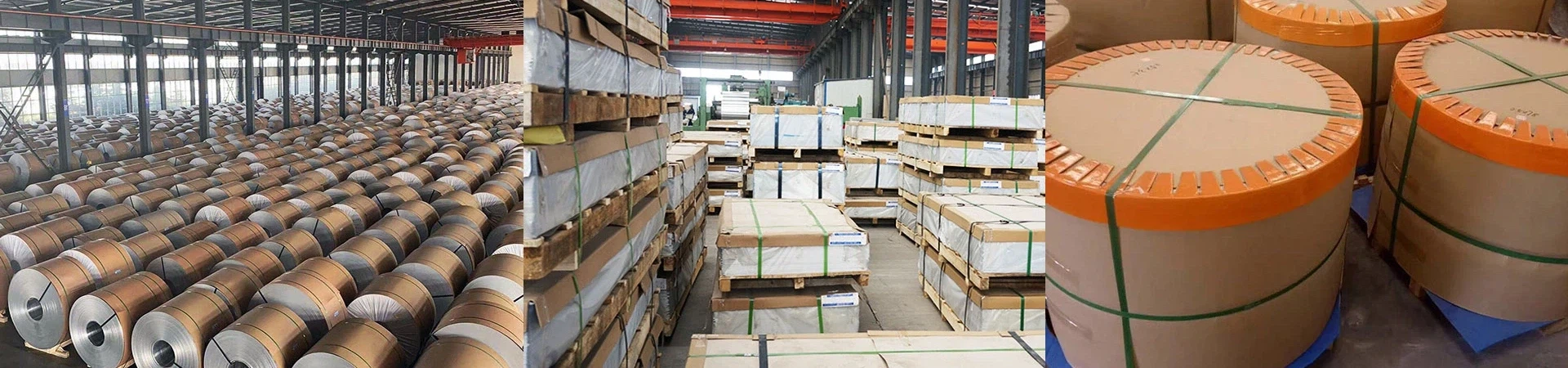
Precision machinery, aerospace, automotive, and other high-load structural applications frequently use 2024 T3 aluminum sheet, a high-strength aluminum alloy material based on an aluminum-copper alloy. The thickness, width, performance characteristics, and application scope of 2024 T3 aluminum sheet are all thoroughly examined below. This material is renowned for its exceptional mechanical qualities and machining capabilities.
What Is Aircraft Aluminum Alloy
The aviation industry currently makes extensive use of aircraft aluminum alloy, a deformed aluminum alloy with ultra-high strength. The strength, hardness, toughness, fatigue resistance, and plasticity requirements for aircraft aluminum alloys are higher than those for regular aluminum alloys. The aluminum alloy used in aircraft has excellent mechanical and processing qualities, high strength, good toughness, good plasticity following solution treatment, and a good strengthening effect from heat treatment. It is the perfect structural material for airplanes.

Aluminum Alloy 2024
Alulminum alloy 2024 is a common duralumin alloy, consisting of 1.5% magnesium, 0.6% manganese, and 4.5% copper. It performs well overall and has a reasonable composition. In addition to its high strength, 2024 aluminum has some degree of heat resistance and can be used as working parts at temperatures lower than 150 °C.
Its strength surpasses that of 7075 aluminum plate at temperatures above 125 °C. Although the heat treatment process requirements are stringent, the forming performance is improved in the hot temper, annealing, and new quenching states, and the heat treatment strengthening effect is substantial.
Specification of 2024 Aluminum Sheet
Chemical Composition
|
Alloy |
Si |
Fe |
Cu |
Mn |
Mg |
Cr |
Zn |
Zr |
Ti |
Standard |
|
2024 |
0.50 |
0.50 |
3.8-4.9 |
0.30-0.90 |
1.20-1.80 |
0.10 |
0.25 |
- |
0.15 |
GB/AMS/EN |
Size
|
Alloy |
Type |
Temper |
Thickness(mm) |
Width(mm) |
|
2024 |
Thick plate |
T351 |
4-260 |
1200-3800 |
|
Thin plate |
T3/T4 |
0.3-0.4 |
1000-2600 |
Mechanical Properties
|
Alloy |
Temper |
Direction |
Thickness(mm) |
Tensile strength(mm) RM(Mpa) |
Yield strength RP0.2(Mpa) |
Breaking elongation A50% |
Standard |
|
2024 thick aluminum plate |
T351 |
LT |
6-102 |
460-495 |
320-340 |
12.5-21.5 |
AMS-QQ-A-250/4 |
|
2024 thin aluminum plate |
T4 |
- |
0.3-3.5 |
430-450 |
280-310 |
18-21 |
GB/T380 EN485 ASTM B209 |
Applications of 2024 Aluminum Alloy
2024 T3 and T4 are its typical tempers. Their toughness, fatigue resistance, and plasticity are high, but their corrosion resistance is low. The primary applications for 2024 aluminum thick plates are on wings, ribs, fuselages, and other structural components that need to be extremely strong.
The 2024 alloy exhibits outstanding overall performance and high-temperature resistance following artificial aging. It can be used for a long time at higher temperatures and has a slight tendency to soften at high temperatures. It is primarily utilized for the engines and skins of military and commercial aircraft, which frequently tolerate temperatures above 121 °C.
Class D is the general corrosion resistance in 2024. This material is frequently used for screwdrivers and truck wheels in addition to structural components of airplanes.
Large hydraulic manifold construction is another use for 2024 aluminum sheet. Given the extreme pressures and stresses placed on the metal in the hydraulic system, this alloy's fatigue resistance makes it a promising candidate material.

Fatigue Performance Analysis
Aluminum is the primary material used for aircraft structure in the aviation industry because of its low density, high strength, and resistance to corrosion. The aircraft itself will experience more complex load spectrum effects in the future as a result of increased maneuverability and speed requirements.
The fatigue life of the aircraft reaches approximately 100,000 flight cycles under the simplified gust load spectrum M1 and M2, demonstrating that the aluminum alloy 2024 has good fatigue performance and is an aerospace material that can withstand frequent tension and compression loads.
The Reasons for Selecting GNEE Aluminum
With a tensile strength of 400–500 MPa, the GNEE 2024 aircraft aluminum alloy exhibits superior fatigue and heat resistance.
Our production line is the "1+1" ultra-wide and ultra-thick aluminum plate. Our 2024 aluminum plate can be used as a lightweight structural material because of its excellent mechanical qualities, high strength, ease of processing, and low density.
Mechanical properties, bending fracture toughness, intergranular corrosion, exfoliation corrosion, fatigue testing, tissue analysis, and other testing capabilities are available at GNEE's Aviation Material Industry Park Testing Center.
In order to guarantee the high processing technology, we work closely with both domestic and foreign technicians, research institutes, and colleges.


