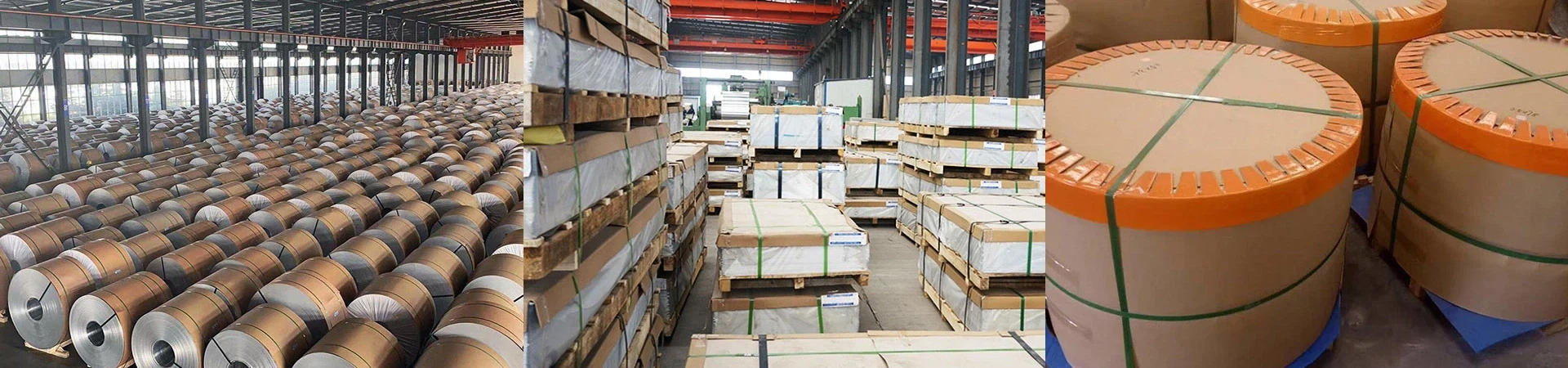
An automobile fender is a panel-shaped part mounted behind the wheel arches, usually installed behind the vehicle's front and rear tires. The front fender is typically fixed to the vehicle's lower side plates, while the rear fender is attached to the rear bumper. Fenders serve a critical role in protecting the vehicle's body and reducing damage caused by road debris, especially in rough or adverse weather conditions.
Role of 3003 Aluminum Plate in Automobile Fenders
Body Protection
Prevent Scratches: Fenders are essential for protecting the vehicle's body by reducing damage from stones and mud thrown up by the wheels during driving.
Reduce Body Damage: They shield the vehicle's surface from splashing mud and gravel, especially during rough driving or in rainy and snowy conditions, thus safeguarding the vehicle's paint and coatings from wear and scratches.
Reduce Stone Splash and Noise
Reduce Stone Splash: During travel, fenders prevent gravel and mud thrown up by the tires from damaging the vehicle's exterior or body, which is especially important in wet or rainy weather.
Lower Noise: Fenders also help minimize the noise created by road debris hitting the vehicle's undercarriage, providing a quieter and more comfortable driving experience.

Why Choose 3003 Aluminum for Automobile Fenders?
| Reason for Choosing | Description |
|---|---|
| Corrosion Resistance | 3003 aluminum has excellent resistance to corrosion from saltwater, moisture, mud, and chemicals. Its strong oxidation resistance protects the fender from environmental damage, making it perfect for wet, salty, or humid environments. |
| Lightweight Properties | 3003 aluminum alloy is significantly lighter than steel, helping reduce the vehicle's overall weight, which in turn improves fuel efficiency and lowers carbon emissions. This is a key factor in modern automotive manufacturing, where environmental regulations are tightening. |
| Good Formability | The alloy's excellent formability makes it easy to mold into complex shapes, which is crucial for manufacturing automobile fenders. Its ability to maintain structural integrity during processing ensures high-quality results. |
| Moderate Strength & Impact Resistance | While not as strong as high-strength alloys (like 7075 aluminum), 3003 aluminum provides sufficient toughness to withstand impacts, preventing deformation or damage during collisions, all without the need for overly rigid materials. |
| Environmental Friendliness & Recyclability | 3003 aluminum is highly recyclable, making it an eco-friendly choice in automobile manufacturing. Aluminum's simple recycling process helps reduce environmental impact, supporting the automotive industry's sustainable goals. |
| Aesthetics & Surface Treatment | 3003 aluminum is ideal for anodizing, coating, and other treatments that improve corrosion resistance while also enhancing its appearance. Various surface treatment options provide color choices, meeting the aesthetic demands of modern vehicles. |
Advantages of Using 3003 Aluminum Coil for Automobile Fenders
| Advantage Category | Description |
|---|---|
| Lightweight Properties | 3003 aluminum coil is lighter than steel, reducing the vehicle's weight, improving fuel efficiency, and supporting automotive lightweighting trends, making it a good choice for fuel economy. |
| Superior Mechanical Properties | 3003 aluminum has excellent machining properties, making it easier to process and shape compared to iron, increasing manufacturing efficiency and ensuring quality fender production. |
| Strong Corrosion Resistance | The oxidation resistance of aluminum protects the material from rust and corrosion, ensuring that 3003 aluminum maintains its appearance and functionality even under challenging conditions. |
| Weather Resistance | Aluminum performs well in extreme weather conditions, particularly in humid, salty environments, ensuring that automobile fenders maintain their appearance and durability for years. |
| Aesthetics & Surface Treatment | The anodized surface of 3003 aluminum can be colored to enhance the fender's aesthetic appeal while providing long-lasting protection from environmental factors. The appearance remains bright and lustrous for a longer period compared to traditional materials. |
| Environmental Friendliness | 3003 aluminum is recyclable, offering sustainability. The recycling process is environmentally friendly and plays a significant role in reducing overall production waste in the automotive industry. |
Conclusion
The 3003 aluminum coil material provides an excellent balance of lightweightness, durability, and aesthetics for automobile fenders. With its superior corrosion resistance, formability, and impact resistance, it ensures a long-lasting, environmentally friendly solution for fender manufacturing. The ability to reduce vehicle weight enhances fuel efficiency, making 3003 aluminum an ideal choice for modern automobile manufacturing. Moreover, its aesthetic qualities and surface treatment options ensure that the fender will not only be functional but also visually appealing, aligning with contemporary vehicle design trends.