

Aluminum tread plates (also known as checker plates or diamond plates) are widely used for anti-slip flooring, truck bodies, stair treads, and industrial platforms. However, when buyers request a quote, choosing between the 3003 and 6061 alloys can be confusing.
The wrong material selection may lead to insufficient load-bearing strength, unexpected corrosion issues, or unnecessary project costs. Understanding the mechanical and chemical differences between these two grades is essential for both engineers designing a project and procurement teams buying bulk materials.
3003 vs 6061 Aluminum Tread Plate Summary
If you need to make a fast purchasing decision, here is the core difference:
- 3003 Aluminum Tread Plate: Offers better corrosion resistance, excellent formability, and lower cost. It is the ideal, cost-effective choice for general anti-slip flooring and non-structural uses.
- 6061 Aluminum Tread Plate: Features much higher yield strength because it is heat-treatable. It is strictly required for heavy structural applications and load-bearing platforms.
For basic anti-slip floors and walk-in coolers, 3003 is more common and economical. For structural frames, truck beds, or extreme heavy-duty use, 6061 is preferred.

Chemical Composition of 3003 and 6061 Aluminum
The basic performance differences between the two plates come directly from their chemical elements.
| Alloy | Mn (Manganese) % | Mg (Magnesium) % | Si (Silicon) % | Cu (Copper) % | Key Feature |
| 3003 | 1.0 – 1.5 | - | ≤ 0.6 | ≤ 0.2 | Anti-rust, highly economical |
| 6061 | - | 0.8 – 1.2 | 0.4 – 0.8 | 0.15 – 0.4 | Heat-treatable, high strength |
What this means for buyers:
- 3003 is an Aluminum-Manganese (Al-Mn) alloy. It is widely known as "rust-proof" aluminum. It cannot be strengthened by heat treatment, but it performs incredibly well in wet environments.
- 6061 is an Aluminum-Magnesium-Silicon (Al-Mg-Si) alloy. The addition of Magnesium and Silicon allows this metal to be heat-treated (like the common T6 temper), giving it structural strength that rivals mild steel.
Mechanical Properties of 6061 and 3003 aluminum checker plate
Yes, 6061 is significantly stronger. When purchasing industrial flooring or structural plates, "Yield Strength" is the most critical number. It tells you how much weight the plate can take before it permanently bends or dents.
| Property | 3003 H24 | 6061 T6 |
| Tensile Strength | 120 – 160 MPa | 260 – 310 MPa |
| Yield Strength | ≥ 95 MPa | ≥ 240 MPa |
| Elongation | ≥ 10% | ≥ 8% |
| Hardness | Lower | Much higher |
Engineering Insight: The yield strength of 6061-T6 is more than double that of 3003-H24. If you drive a heavy forklift over a thin 3003 plate, it will deform. If you drive it over a 6061 plate of the same thickness, the floor will remain flat.
Corrosion Resistance Comparison of 6061 and 3003 aluminum checker plate
Different environments demand different alloys to prevent oxidation and degradation.
| Environment | 3003 Aluminum Tread Plate | 6061 Aluminum Tread Plate |
| Humid / Wet | Excellent | Good |
| Marine / Saltwater | Good | Moderate |
| Chemical Washdown | Good | Moderate |
For cold storage rooms, food processing plants, and marine ship decks where moisture is constant, 3003 performs better. 6061 is highly durable outdoors but may require an anodized coating in harsh marine environments to prevent pitting.
Which aluminum tread plate is better?
How you plan to process the plate after you buy it should heavily influence your choice.
| Property | 3003 Alloy | 6061 Alloy |
| Formability (Bending) | Excellent | Moderate / Poor in T6 temper |
| Weldability | Excellent | Good |
| Machinability | Good | Excellent |
If your design requires bending the tread plate at a sharp 90-degree angle to make stair treads or toolbox edges, 3003 is the clear winner. If you try to bend a 6061-T6 plate at a sharp angle, it is highly likely to crack along the bend line due to its hardness. Conversely, 6061 is much easier to drill and CNC machine without the metal gumming up the tooling.
Are you unsure if 6061-T6 will crack during your specific bending process? Don't risk wasting material. Contact the GNEE engineering team with your project drawings. We provide free material matching advice and custom bending tolerances before you place your wholesale order.
Application for 3003 and 6061 aluminum tread checker plate
Where to Use 3003 Aluminum Tread Plate:
- Cold storage flooring and walk-in freezer floors.
- Pedestrian anti-slip walkways and stair treads.
- Food and beverage processing plant flooring.
- Architectural decoration and wall protection (kick plates).
Note on roofing: For wall and roof cladding, buyers often pair 3003 floors with 3003 aluminum corrugated plates, which share the same excellent anti-rust properties but in a structural roofing profile.

Where to Use 6061 Aluminum Tread Plate:
- Industrial load-bearing platforms and mezzanines.
- Heavy-duty truck beds and trailer flooring.
- Structural framework and bridge walkways.
- Heavy machinery ramps and loading docks.
Note on heavy structures: In extreme industrial setups, engineers might use 6061 aluminum corrugated plates for high-wind structural siding, while using the 6061 flat-backed tread plate strictly for the heavy-load floor sections.

Recommended Thickness Guide
| Application | Recommended 3003 Thickness | Recommended 6061 Thickness |
| Light pedestrian flooring | 2 – 3 mm | 2 – 3 mm (Overkill, high cost) |
| Industrial / Cargo flooring | 3 – 5 mm | 3 – 4 mm |
| Heavy structural load bearing | Not recommended | 4 – 8 mm |
Crucial Engineering Rule: If your project requires structural support across a wide gap (span), always prioritize upgrading to 6061 rather than simply increasing the thickness of a 3003 aluminum plate.
Material Cost Comparison
| Alloy | Wholesale Cost Level | Core Value Proposition |
| 3003 | Lower | High cost-performance for covering large floor areas. |
| 6061 | Higher | High strength value; prevents structural failure and replacements. |
6061 requires complex heat treatment processes at the factory, which increases its raw material price. 3003 is far more budget-friendly for large-volume warehouse flooring where extreme strength is not required.
Common Purchasing Mistakes to Avoid
Using 3003 as a structural material: Using it for heavy truck ramps will lead to dangerous bending under vehicle weight.
Using 6061 for basic walking floors: Paying a premium for high-strength 6061 just for a small restaurant walk-in freezer is a complete waste of your budget.
Ignoring the bending limits: Buying 6061-T6 to make folded trailer fenders and finding out it cracks during the brake-press process.
Buying purely based on the lowest price: Ignoring yield strength requirements just to get the cheapest price per ton often leads to floor failure within months.
International Standards and Certifications
When importing aluminum tread plates from a B2B supplier, ensure they manufacture according to recognized global standards.
ASTM B209: Standard Specification for Aluminum and Aluminum-Alloy Sheet and Plate.
ASTM B632: Standard Specification for Aluminum-Alloy Rolled Tread Plate.
EN 573 / EN 485: European standards for chemical composition and mechanical properties of aluminum.
Strict Quality Inspection Process
At GNEE, our inspection process includes:
- Chemical Composition Analysis: Ensuring accurate Mg, Mn, and Si levels.
- Tensile & Yield Strength Testing: Guaranteeing the plates meet strict load-bearing standards.
- Thickness Tolerance Control: Ensuring flat and even installation.
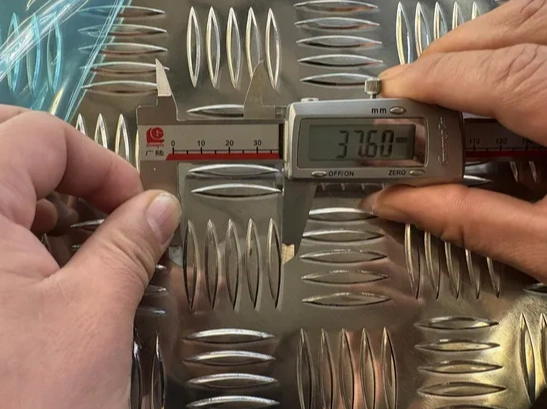
- Pattern Height Inspection: Verifying the 5-bar or diamond patterns are high enough to provide actual anti-slip safety.
- Surface Quality Check: Ensuring zero oil stains, cracks, or deep scratches.

Seaworthy Packaging for Safe Delivery
To eliminate your purchasing risks, we provide:
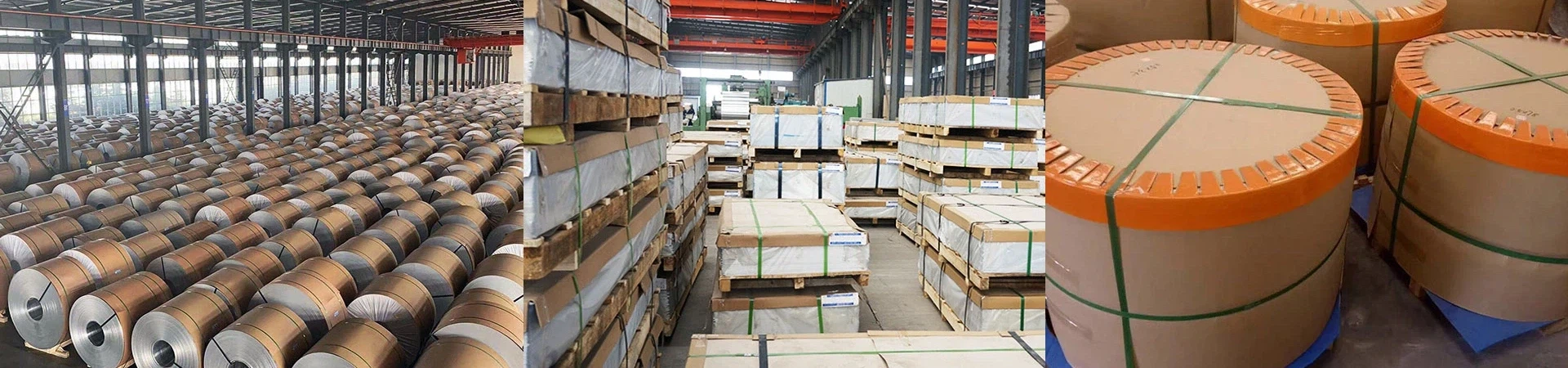
- Seaworthy Export Packing: Fully sealed to block humidity.
- Moisture-proof Film & Desiccants: Placed between plates to absorb condensation.
- Sturdy Pallets: Fumigated wooden pallets or steel pallets to prevent bending during crane lifting.
- Edge Protection: Steel straps and hard corner guards to keep plate edges perfectly straight.

GNEE: Your Reliable Aluminum Tread Plate Supplier
GNEE is a leading Chinese supplier specializing in industrial aluminum products. Whether you need materials for commercial cold storage floors, truck bodies, or offshore platforms, we provide exact 3003 and 6061 aluminum tread plates tailored to your needs.
We offer:
- Full ASTM / EN standard compliance.
- Customized sizes, thicknesses, and precise cut-to-length services.
- Stable mechanical properties guaranteed by a strict QC system.
- Direct factory wholesale pricing.
- Rich export experience to North America, Europe, the Middle East, and Southeast Asia.


