

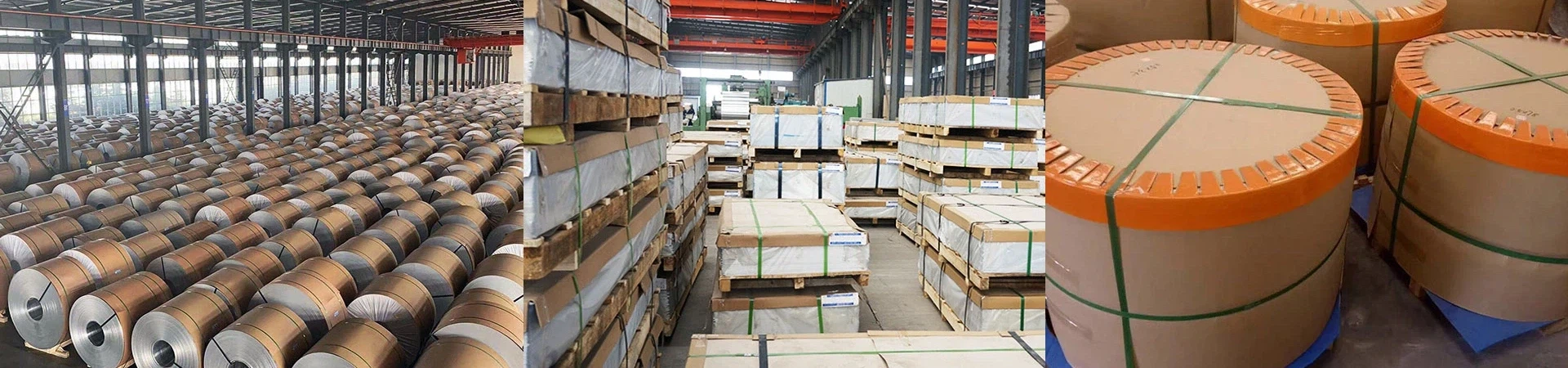
Marine Anodized Aluminum Sheets are premium aluminum alloy materials that combine the lightweight strength and corrosion resistance of marine-grade aluminum with the enhanced durability and refined appearance provided by anodizing. Specially designed for harsh marine environments, these sheets are widely applied in shipbuilding, offshore structures, coastal architecture, and marine equipment where superior resistance to corrosion, wear, and UV degradation is essential.
Manufactured by GNEE, a leading aluminum supplier in China, these sheets are typically produced from 5000 and 6000 series alloys such as 5083, 5052, and 6061. Through an electrochemical anodizing process, a dense and stable oxide layer forms on the aluminum surface. This anodic film is :
Integral to the surface, not a coating or paint.
Hard, durable, and abrasion-resistant.
Highly resistant to corrosion, especially in saltwater environments.
Capable of accepting dyes, allowing for decorative finishes.
The result is a material offering long service life, minimal maintenance, and a uniform aesthetic ideal for marine use.
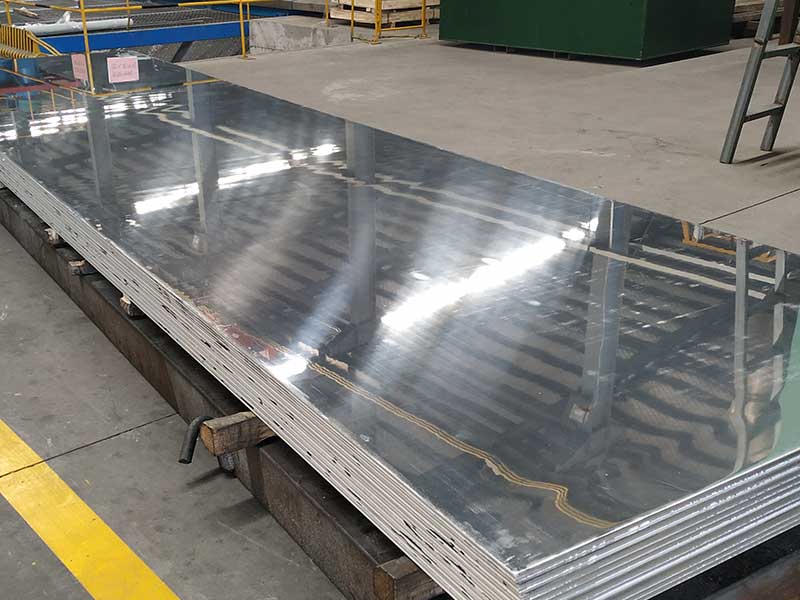
Features and Benefits
| Feature | Description | Benefit |
|---|---|---|
| Marine-Grade Aluminum Base | Typically 5xxx (e.g., 5083, 5052) or 6xxx (6061) alloys with excellent corrosion resistance and strength | Long-term durability in saltwater and coastal environments |
| Anodized Surface Layer | Electrochemically formed oxide layer (10–25 μm thick) | Enhanced wear resistance, corrosion protection, and UV stability |
| Color and Finish Options | Clear or colored finishes (bronze, gold, black, etc.) | Aesthetic flexibility for marine and architectural design |
| Environmental Resistance | Excellent resistance to salt spray, sunlight, and oxidation | Low maintenance and strong corrosion prevention |
| Non-Peeling, Non-Flaking | The anodized layer is integral, not a surface coating | Long-lasting and maintenance-free finish |
| Lightweight and Strong | Aluminum density ≈ 2.7 g/cm³ with high strength-to-weight ratio | Easy handling and structural efficiency |
| Sustainable & Recyclable | 100% recyclable and eco-friendly anodizing process | Environmentally responsible material choice |
Typical Applications
Ship and yacht superstructures, hulls, and decorative trims
Offshore platform panels and marine architectural components
Coastal building facades and window frames
Marine railings, signage, and ladders
Equipment housings, control panels, and ventilation covers
Aluminum Alloys and Chemical Composition
| Alloy | Si | Fe | Cu | Mn | Mg | Cr | Zn | Ti | Al (Balance) |
|---|---|---|---|---|---|---|---|---|---|
| 5083 | 0.4 | 0.4 | 0.1 | 0.4–1.0 | 4.0–4.9 | 0.05–0.25 | 0.25 | 0.15 | Remainder |
| 6061 | 0.4–0.8 | 0.7 | 0.15–0.4 | 0.15 | 0.8–1.2 | 0.04–0.35 | 0.25 | 0.15 | Remainder |
Mechanical Properties
| Property | 5083-H111 | 6061-T6 |
|---|---|---|
| Tensile Strength (MPa) | 275–345 | 310–350 |
| Yield Strength (MPa) | 145–215 | 270–300 |
| Elongation (%) | 12–20 | 8–12 |
| Hardness (Brinell) | 75–95 | 95–115 |
| Density (g/cm³) | 2.66 | 2.70 |
The anodizing process forms a surface oxide layer without altering the alloy's core structure, so bulk mechanical properties remain unaffected.
The Anodizing Process
Surface Preparation: Cleaning and degreasing to remove contaminants.
Electrolytic Oxide Formation: Applying current in an acid electrolyte (usually sulfuric acid) to build an oxide layer of 10–25 μm.
Coloring (Optional): Dyeing the porous oxide layer before sealing to achieve various colors.
Sealing: Hydrating the oxide to close pores and enhance corrosion resistance.
Surface Finishes and Colors
| Finish Type | Description | Typical Thickness | Application |
|---|---|---|---|
| Clear Anodized | Natural silver metallic appearance | 10–25 μm | Standard marine corrosion protection |
| Colored Anodized | Bronze, black, blue, gold, or custom tones | 12–20 μm | Decorative and architectural projects |
| Matte/Satin Finish | Slightly textured, non-glare surface | Varies | Decorative and anti-reflective use |
| Bright Finish | Polished before anodizing for high reflectivity | Varies | Yacht trims, luxury fixtures |
Corrosion Resistance and Maintenance
Anodized aluminum's tightly bonded oxide layer serves as a highly effective barrier against saltwater corrosion, pitting, and oxidation.
Maintenance Recommendations:
Rinse regularly with fresh water and mild detergent.
Avoid strong acids, alkalis, and abrasive cleaners.
Inspect periodically; re-anodizing is possible if the surface is worn or damaged.
Advantages Over Other Coatings
| Property | Anodized Aluminum | Painted Aluminum | Powder-Coated Aluminum |
|---|---|---|---|
| Corrosion Resistance | Excellent, integral oxide layer | Good but prone to peeling | Good, may degrade under UV |
| Wear Resistance | High (hard oxide surface) | Moderate | High but scratchable |
| Maintenance | Very low | Requires repainting | Periodic upkeep |
| Environmental Impact | Eco-friendly, no VOCs | VOC emissions | Contains solvents |
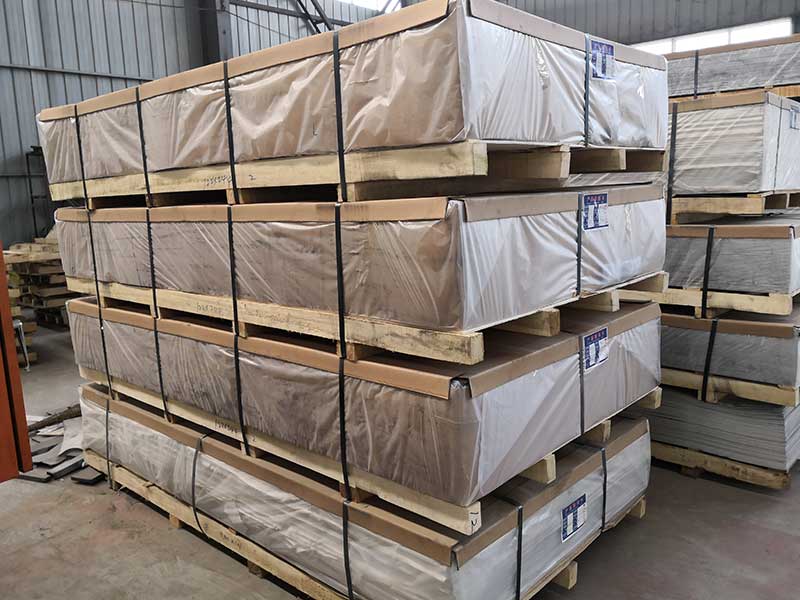
Ordering Information
When purchasing GNEE Marine Anodized Aluminum Sheets, please specify:
Alloy and temper (e.g., 5083-H111, 6061-T6)
Sheet size and thickness (typically 1–6 mm or custom)
Desired anodized finish (clear or colored) and layer thickness
Surface texture (matte, satin, or bright)
Any fabrication needs such as cutting, bending, or drilling
GNEE provides custom anodizing and precision fabrication services in compliance with marine-grade standards.
Conclusion
GNEE Marine Anodized Aluminum Sheets deliver the ideal balance of corrosion resistance, strength, and appearance for marine and offshore environments. The anodized layer enhances aluminum's natural protection, creating a durable and maintenance-free surface that endures saltwater, sunlight, and mechanical wear. With customizable alloys, thicknesses, and finishes, GNEE offers a long-lasting and visually refined solution for both structural and decorative marine projects.
For professional consultation and tailored solutions, please contact GNEE's sales and engineering team.


