

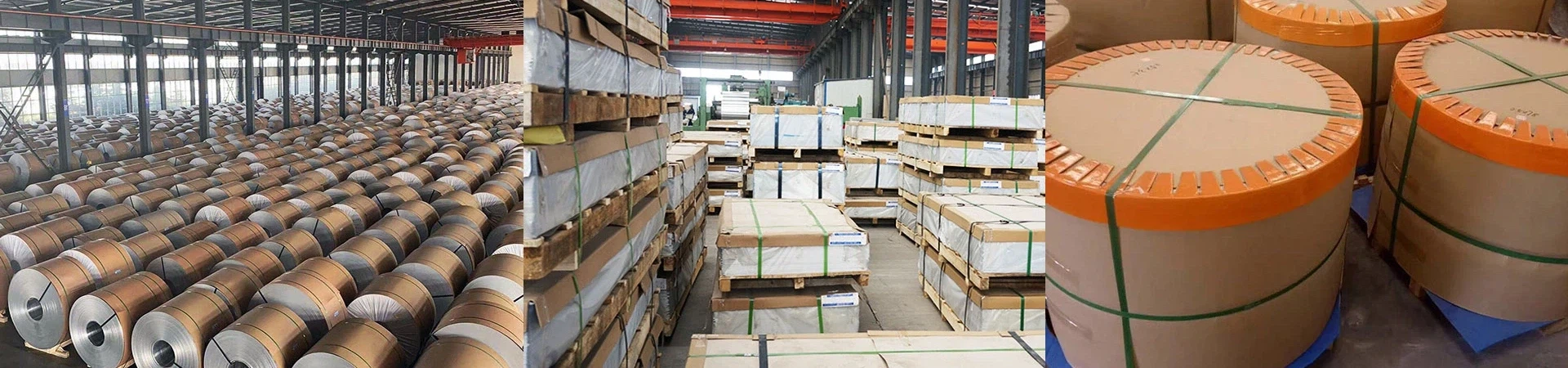
5083 aluminium plate- Material Properties & Core Advantages
Definition: 5083 aluminum is an Al-Mg-Si series alloy with high magnesium content (4.0-4.9%), classified as a non-heat-treatable, high-strength, and corrosion-resistant material.
Key Facts:
Mechanical Performance: Tensile strength of 30-40 kg/mm², excellent weldability, and formability (e.g., bendable in O, H111, H116 tempers).
Corrosion Resistance: Outperforms 6-series (prone to intergranular corrosion) and 7-series alloys in marine environments, making it ideal for seawater exposure.
Applications: Dominant in shipbuilding (hulls, decks), automotive/aircraft welding parts, and cryogenic containers (liquid tankers, refrigerated containers).
Debates:
Trade-off between thickness and bendability: Thicker plates (>6mm) require specialized bending techniques to avoid cracking.
Market Demand & Industry Drivers
Definition: Global demand for 5083 aluminum is driven by marine, transportation, and industrial sectors seeking lightweight, durable materials.
Key Trends:
Marine Industry: Accounts for ~40% of 5083 usage (per [1]), with growing adoption in luxury yachts and offshore platforms due to its 30% weight reduction vs. steel.
Automotive/Aerospace: Lightweighting trends boost demand for 5083 in electric vehicle (EV) frames and aircraft welding components.
Sustainability: Recyclability (95%+ recovery rate) aligns with green manufacturing policies (e.g., EU's carbon-neutrality goals).
Data:
Shipbuilding aluminum demand is projected to grow at 5.2% CAGR (2023-2030, Statista), directly benefiting 5083-O/H116 variants.
Competitive Landscape & Regional Dynamics
Definition: Market dominated by Asian producers (China, Japan) and end-users in Europe/North America.
Key Facts:
Major Producers: China's Dongguan Sennuo Metal (leading supplier for marine grades), Norsk Hydro (Europe), and Alcoa (USA).
Pricing: 5083-O plates priced at $2,800-3,500/ton (2025, [2]), with premiums for H116 tempers used in naval applications.
Regional Demand: Europe leads in marine applications; Asia-Pacific (China, South Korea) drives growth in shipbuilding and EV sectors.
Debates:
Import vs. domestic supply: European buyers prefer Nordic alloys for stricter quality standards, while Asian markets prioritize cost-effectiveness.
Technical Challenges & Innovation
Definition: Manufacturing and application hurdles include thickness limitations, temper customization, and surface treatment.
Key Developments:
Temper Optimization: New H32/H34 tempers balance strength and bendability for complex components (e.g., TV towers, drilling equipment).
Surface Engineering: Anodizing and powder coating enhance wear resistance, expanding use in architectural and decorative sectors.
Challenges:
High magnesium content increases casting difficulty, leading to 5-8% higher production costs vs. 5052 aluminum.
Risks & Future Outlook
Definition: Market risks include raw material price volatility and competition from alternative materials.
Key Risks:
Magnesium Price Fluctuations: Mg accounts for 15-20% of production costs; a 10% Mg price spike could raise 5083 prices by 3-5%.
Substitution Threat: Carbon fiber composites in high-end marine/aviation sectors (e.g., luxury yachts) pose long-term competition.
Outlook:
Growth Opportunities: Offshore wind energy (turbine structures) and hydrogen storage tanks (corrosion resistance to H2) are emerging niches.
Recommended Resources
World Aluminum: 5083 Alloy Technical Guide
Journal of Marine Engineering: "Aluminum Alloys in Modern Shipbuilding" (2024)
Statista: Global Aluminum Alloy Market Report (2025)
Dongguan Sennuo Metal: 5083-H116 Marine Grade Datasheet ([1])
Intelligent Summary
Material Edge: 5083's unique Al-Mg composition delivers unrivaled corrosion resistance and weldability, dominating marine/coastal applications.
Market Growth: Driven by shipbuilding (5.2% CAGR) and EV lightweighting; H116 temper is the gold standard for naval use.
Regional Dynamics: China leads production, while Europe/North America drive high-end demand for certified marine grades.
Technical Hurdles: Thickness (>6mm) and temper control remain key manufacturing challenges requiring process innovation.
Future Potential: Offshore wind and hydrogen storage sectors offer untapped growth, offsetting risks from Mg price volatility and composite substitution


