

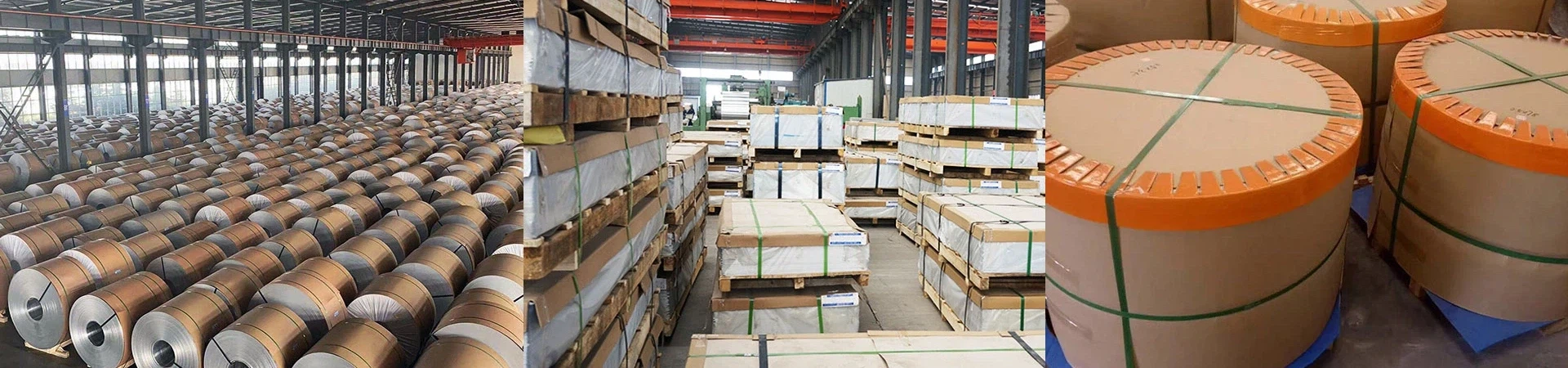
Aluminum alloy 6061 is one of the most frequently used aluminum materials because of its excellent corrosion resistance, machinability, formability, and weldability. Within the 6061 family, different tempers can significantly alter mechanical properties and determine suitability for various applications. Among them, 6061-T6 and 6061-T4 are the most commonly selected tempers-but how do you choose between them?
What Is Aluminum 6061-T4?
Aluminum 6061-T4 is a heat-treatable alloy widely used for structural applications. The main difference between T4 and T6 is the temper designation related to the heat-treatment process.
6061-T4 is solution heat treated and then naturally aged, without going through the artificial aging step applied to T6. As a result, the alloy becomes stronger than the base annealed material but still has lower strength than 6061-T6.
Typically, 6061-T4 has a tensile yield strength of around 41,000 psi, compared to approximately 48,000 psi for T6. Although it offers lower strength, 6061-T4 remains easy to machine and form due to its softer condition. It also retains good corrosion resistance from the heat-treatment process. Because of this blend of performance and cost advantages, 6061-T4 is a versatile and economical choice for many structural parts and assemblies.
Advantages of 6061-T4
Machinability:
Its lower strength makes drilling, milling, and machining easier and more cost-effective than with T6.
Formability:
The softer temper allows bending, stretching, and shaping into complex geometries more easily than T6.
Weldability:
6061-T4 welds more reliably than T6, with reduced risk of cracking or weld defects.
Cost Efficiency:
T4 processing is cheaper since it does not require artificial aging.
Corrosion Resistance:
Although not as strong as T6, it still provides solid corrosion protection for many uses.
Durability:
Strong enough for general industrial or vehicle components that do not require maximum strength.
High Availability:
6061-T4 is among the most widely stocked 6000-series aluminum alloys.
Familiarity:
Its long history of use means fabricators and manufacturers understand how to work with it effectively.
Repairability:
Damaged T4 components can be repaired more easily and affordably by welding compared with T6 parts.
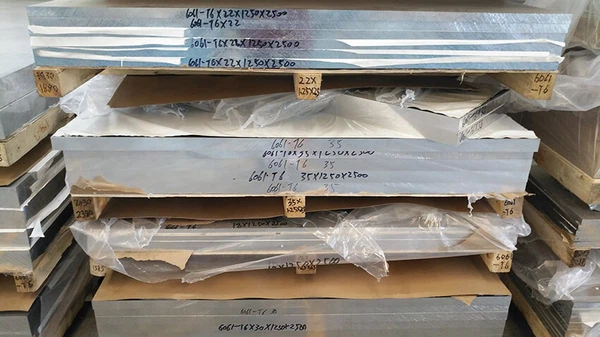
Applications of 6061-T4
Automotive parts: suspension arms, pedals, brackets
Industrial machinery: housings, guards, frames
Marine equipment: decks, ladders, racks, fittings
Bicycles: frames, forks, handlebars
Ladders and scaffolding
Household appliances: internal structures for washers, dryers, refrigerators
Furniture and structural pieces
Signage, display frames, outdoor enclosures
Piping and duct systems (low-pressure HVAC)
General fabrication, prototyping, DIY projects
Firearm components: receivers, actions
What Is Aluminum 6061-T6?
6061-T6 is a high-strength aluminum alloy commonly used in aerospace and transportation. The designation "6061" refers to the alloying elements (magnesium and silicon), while "T6" indicates that the alloy has been solution heat treated and artificially aged.
This tempering process significantly improves strength, hardness, and corrosion resistance while maintaining good machinability and weldability. These features make 6061-T6 a highly versatile alloy for structural and high-performance applications.
Advantages of 6061-T6
High Strength-to-Weight Ratio:
Artificial aging raises tensile and yield strength, enabling the alloy to support heavy loads with minimal weight.
Good Machinability:
Despite its higher strength, 6061-T6 can be machined, milled, drilled, or turned with standard equipment.
Corrosion Resistance:
Natural oxide film and heat-treatment stability provide long-lasting corrosion protection.
Fatigue and Creep Resistance:
T6 temper resists cyclic and long-term stresses better than lower-strength tempers.
Formability:
Suitable for bending, forging, and standard metalworking processes.
Weldability:
Can be welded using proper procedures, essential for automotive and structural fabrication.
Cost-Effective:
Offers strong performance without the premium price of 7000-series alloys.
Widely Available:
One of the most produced aluminum alloys worldwide.
Applications of 6061-T6
Aircraft structures: fuselages, wings, support beams
Automotive parts: wheels, suspension components, drive shafts
Marine components: masts, decks, bulkheads
Industrial machinery and construction equipment
Bridges and structural infrastructure
Pressure vessels: cylinders, tanks, valves
Building materials: window frames, curtain walls, handrails
Consumer goods: bicycles, furniture, appliances
Firearm components requiring precision machining
6061-T6 vs 6061-T4-Which Is Better?
| Property | 6061-T6 | 6061-T4 |
|---|---|---|
| Temper Process | Solution heat treated and artificially aged | Solution heat treated + naturally aged |
| Strength | Higher | Lower |
| Tensile Yield Strength (psi) | 48,000 | 41,000 |
| Machinability | More difficult | Easier |
| Formability | More difficult | Easier |
| Weldability | More difficult | Easier |
| Corrosion Resistance | Higher | Lower |
| Fatigue Resistance | Higher | Lower |
| Cost | Higher | Lower |
| Applications | High-strength structures: aircraft, automotive, pressure vessels | General fabrication: appliances, piping, signage |
Summary:
6061-T6 provides superior strength but is more challenging to machine, form, and weld.
6061-T4 offers excellent workability, lower cost, and easier fabrication, making it suitable for a broad range of general industrial applications.


