

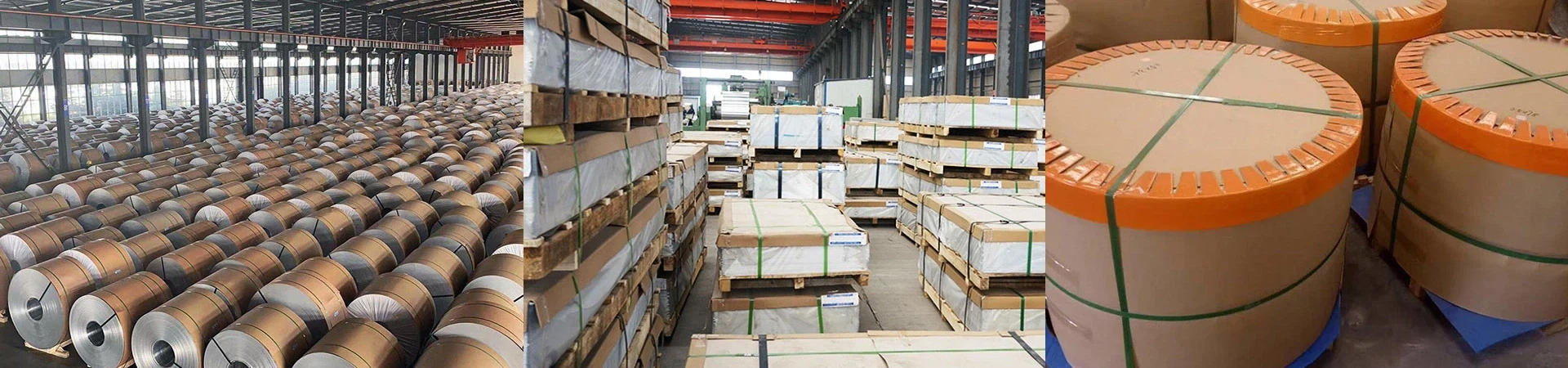
The 6061-T651 aluminum plate is a high-strength structural material manufactured by GNEE, primarily alloyed with 0.8-1.2% magnesium and 0.4-0.8% silicon. The T651 temper indicates a specific thermal treatment sequence: solution heat treating, stress relieving via a controlled 1.5% to 3% permanent cold stretch, and artificial aging. This mechanical stretching process eliminates internal residual stresses, preventing dimensional distortion when the plate undergoes intensive CNC machining.
Fabricated in strict accordance with the active ASTM B209 specification, this metal provides a highly stable base for industrial tooling and structural components. Operating effectively in continuous environments reaching 150 °C, the material delivers a critical combination of structural rigidity, automated weldability, and atmospheric corrosion resistance for diverse commercial engineering projects.
Specification Data of 6061-T651 Aluminum Plate
| Parameter | Specification & Tolerances |
| Alloy / Temper | 6061 / T651 |
| Dimensions (T x W x L) | 6.35 mm–300 mm x 1000 mm–2500 mm x 2000 mm–6000 mm |
| Chemical Composition (%) | Al Bal, Mg 0.8-1.2, Si 0.4-0.8, Cu 0.15-0.40, Fe ≤ 0.7 |
| Yield Strength | ≥ 276 MPa (40.0 ksi) |
| Tensile Strength | ≥ 310 MPa (45.0 ksi) |
| Elongation / Standard | ≥ 10% / ASTM B209 |
| Dimensional Tolerances | Per ANSI H35.2 limits |
SMM Price Range Guidance (Indicative)
| Product Condition | SMM Base (USD/MT) | Total Estimate (USD/MT) |
| 6061-T651 Plate (Standard Sizing) | 2,700 - 2,850 | 3,200 - 3,550 |
| 6061-T651 Plate (Custom Cut) | 2,700 - 2,850 | 3,400 - 3,800 |

1. Primary Uses and Applications
The 6061-T651 aluminum plate provides essential structural support across multiple manufacturing sectors, delivering necessary load-bearing capabilities for commercial transport and stationary heavy equipment installations.
Marine Decking Infrastructure: Shipbuilders integrate 12.7 mm thick plates to construct commercial ferry decks and structural bulkheads. The material successfully resists saltwater corrosion while reducing the overall vessel weight. Components operate effectively under continuous exposure to marine environments at ambient temperatures ranging from -10 °C to 45 °C.
Heavy Transportation Vehicles: Fleet manufacturers utilize 6.35 mm plates to fabricate commercial truck beds and railcar flooring. The 276 MPa (40.0 ksi) yield strength supports standard freight loads without plastic deformation. This application significantly lowers vehicular tare weight, directly improving fuel efficiency during standard highway transit operations.
Industrial Tooling Fixtures: Tooling engineers process 50 mm thick plates to manufacture precision assembly jigs and robotic welding fixtures. The T651 stress-relieved condition ensures the metal remains perfectly flat during aggressive milling operations. These base plates provide a rigid foundation for manufacturing equipment operating at standard factory temperatures.
Semiconductor Manufacturing Equipment: Equipment designers specify thick 6061-T651 plates for vacuum chambers and testing platforms within microchip fabrication facilities. The material's elemental purity and lack of internal stress prevent micro-warpage during operational cycles. The plates effectively manage thermal loads up to 150 °C during continuous semiconductor processing phases.
Contact the GNEE technical sales team to procure wholesale 6061-T651 aluminum plates for your specific manufacturing applications.
2. Key Benefits and Advantages
The distinct thermal processing and magnesium-silicon chemistry of this plate offer verifiable structural advantages, combining high mechanical stability with efficient processability for complex engineering requirements.
Exceptional Machining Stability: The 1.5% to 3% permanent set stretch applied during the T651 temper eliminates residual thermal stresses from the quenching phase. This precise stress relief ensures the plate maintains strict dimensional accuracy without warping or bowing when machinists remove large volumes of material during CNC operations.
High Structural Strength: Artificial aging generates a reliable minimum yield strength of 276 MPa (40.0 ksi) and a tensile strength of 310 MPa (45.0 ksi). This mechanical baseline allows structural engineers to design load-bearing commercial frameworks using thinner cross-sections, optimizing material usage without compromising physical safety margins.
Reliable Industrial Weldability: Fabricators easily join these plates utilizing standard Gas Tungsten Arc Welding (GTAW) or Gas Metal Arc Welding (GMAW) techniques. Using compatible ER4043 or ER5356 filler wire prevents cracking in the heat-affected zone, maintaining structural continuity across heavy commercial assemblies without requiring complex post-weld thermal treatments.
Natural Atmospheric Protection: The precise 0.8-1.2% magnesium and 0.4-0.8% silicon composition allows the bare metal to generate a protective, self-repairing surface oxide film. This passive barrier prevents structural degradation when the aluminum operates continuously in humid industrial environments, significantly reducing long-term maintenance requirements for exposed commercial applications.
Secure reliable material supply by ordering certified 6061-T651 aluminum plates directly from the GNEE manufacturing facility today.
3. Delivery, Inspection Standards, and Packaging
GNEE executes stringent logistical protocols and physical verifications to guarantee that every dispatched aluminum plate matches the requested engineering dimensions and arrives free from transit damage.
Active Standard Compliance: Quality assurance teams verify that all plate dimensions, chemical compositions, and mechanical characteristics align precisely with the active ASTM B209 material standard. This rigorous inspection guarantees that the delivered product meets the mandatory regulatory requirements for commercial load-bearing structures and heavy equipment manufacturing.
Strict Dimensional Tolerances: Metrology technicians utilize calibrated instruments to verify thickness, width, and length parameters against the ANSI H35.2 tolerance standard. Flatness deviations are strictly monitored, ensuring heavy plates exceeding 20 mm in thickness maintain a maximum deviation of ± 1.5 mm to support accurate downstream machining operations.
Robust Export Packaging: Logistics personnel interleave the aluminum plates with acid-free paper to prevent surface abrasion. The stacked metal is enveloped in waterproof polyethylene and secured onto ISPM-15 compliant wooden pallets using heavy-duty steel strapping, ensuring maximum protection against moisture and physical impact during international maritime freight.
Predictable Production Lead Times: GNEE maintains a rolling inventory of standard 6.35 mm to 25.4 mm thick plates, allowing a fast dispatch window of 7 to 10 days. Custom thicknesses up to 300 mm require specific casting and stretching cycles, necessitating a scheduled production lead time of 15 to 25 days.

4. Product Quality Testing
Comprehensive metallurgical and mechanical testing protocols systematically validate the internal density, elemental composition, and structural limits of each plate before commercial dispatch.
Ultrasonic Flaw Detection: Operators scan the entire surface area of plates exceeding 12.7 mm in thickness utilizing high-frequency ultrasonic transducers in accordance with ASTM B594. This non-destructive evaluation identifies internal voids, porosity, or inclusions, ensuring maximum material density for highly stressed commercial tooling applications.
Destructive Tensile Verification: Laboratory personnel extract standardized samples from production batches to conduct mechanical pull tests. Calibrated machinery continuously measures the load until failure, verifying the material consistently surpasses the required 276 MPa (40.0 ksi) yield point and achieves the mandatory ≥ 10% elongation specification.
Optical Emission Spectroscopy: Technicians vaporize tiny surface sections using electric arcs to analyze the exact elemental breakdown of the cast aluminum. This automated software validates that the magnesium content remains strictly between 0.8% and 1.2%, guaranteeing the exact chemical formulation required for successful artificial aging.
Surface Hardness Evaluation: Quality control teams press a specified indentor into the metal surface using Brinell hardness testing equipment. The resulting indentation diameter is measured to confirm the plate achieves a typical hardness rating of 95 HB, indicating proper T651 thermal processing across the entire material batch.
Request complete ultrasonic testing data and material certifications when you source commercial aluminum plates from GNEE.

5. Future Development Prospects
Advancements in automated fabrication technologies and sustainable metallurgy systematically enhance the processing efficiency, structural limits, and environmental footprint of commercial aluminum plate production.
Friction Stir Welding Integration: Manufacturers are increasingly adopting automated friction stir welding systems to join heavy 6061-T651 plates. This solid-state joining process operates below the 582 °C melting point, preventing the severe loss of mechanical properties in the heat-affected zone commonly associated with traditional fusion welding methods.
High-Speed CNC Optimization: Tooling facilities are programming advanced multi-axis milling machines to exploit the extreme dimensional stability of the T651 temper. By utilizing specialized carbide cutting tools, machinists remove material at highly accelerated feed rates, dramatically reducing production cycle times for complex aerospace and semiconductor components.
Closed-Loop Aluminum Recycling: Smelting operations systematically integrate higher percentages of verified 6061 scrap metal into the primary casting process. Automated laser-induced breakdown spectroscopy isolates uncontaminated offcuts, enabling factories to reduce primary energy consumption while strictly maintaining the required 310 MPa (45.0 ksi) ultimate tensile strength limit.
Advanced Thermal Regulation: Aluminum mills deploy predictive thermal imaging systems during the artificial aging process to maintain uniform heat distribution across 300 mm thick plates. This precise temperature control eliminates localized soft spots, ensuring exactly uniform yield strength metrics throughout the entire cross-section of heavy commercial materials.
Conclusion
The 6061-T651 aluminum plate delivers critical mechanical stability and structural strength for commercial manufacturing applications. Utilizing a precisely controlled mechanical stretching process, this material eliminates residual thermal stresses, providing a reliable foundation for heavy CNC machining without dimensional distortion. With a verified yield strength of 276 MPa (40.0 ksi) and adherence to active ASTM B209 standards, the metal functions securely in continuous operating environments up to 150 °C. Integrating these plates ensures high load-bearing capacity and sustained corrosion resistance for marine, commercial transportation, and industrial tooling infrastructure.
Reach out to GNEE today to discuss custom sizing and request a detailed quote for wholesale 6061-T651 aluminum plates.
FAQs
What does the T651 temper mean for 6061 aluminum?
It indicates the material has been solution heat-treated, stress-relieved by stretching it 1.5% to 3%, and artificially aged to stabilize its mechanical properties.
What is the yield strength of a 6061-T651 aluminum plate?
The plate consistently provides a minimum yield strength of 276 MPa (40.0 ksi), making it highly suitable for structural load-bearing applications.
Can I weld 6061-T651 aluminum plates together?
Yes, standard commercial welding methods like TIG and MIG work effectively when operators use matching filler metals such as ER4043 or ER5356.
What are the standard dimensional tolerances for these plates?
Thickness and flatness tolerances are strictly governed by the active ANSI H35.2 specification, which dictates precise acceptable deviations based on the plate dimensions.
What is GNEE's standard lead time for custom plate thicknesses?
Standard plate dimensions dispatch within 7 to 10 days, while custom thicknesses up to 300 mm require a production lead time of 15 to 25 days.


