

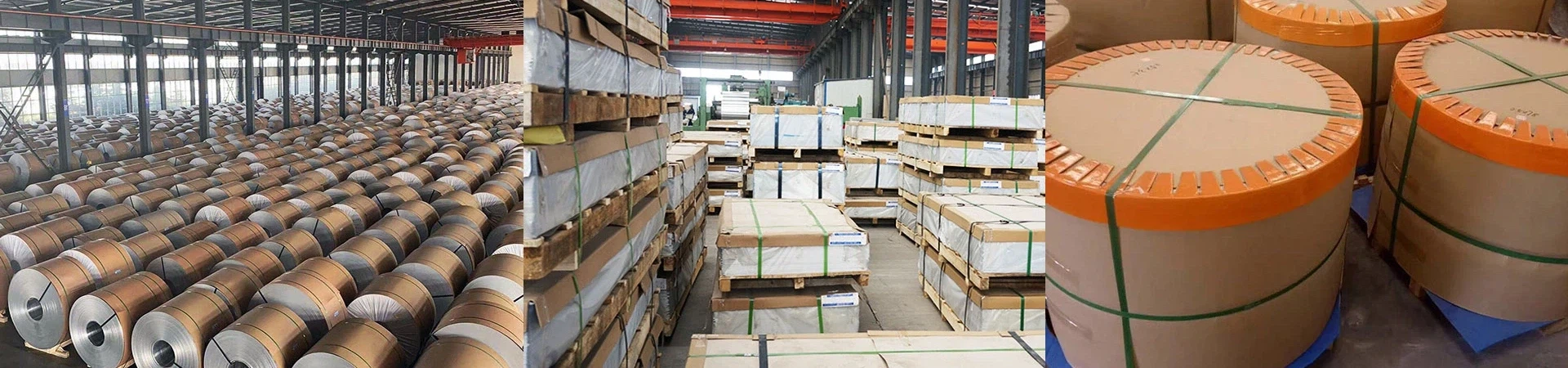
Lightweight and resistant to corrosion, aluminum is now widely used in a wide range of industries, including consumer goods manufacturing, aerospace, automotive, and construction. However, aluminum poses special difficulties when welding, especially because of its vulnerability to distortion and inability to withstand high temperatures. This article will discuss popular techniques for welding aluminum pipes, with an emphasis on TIG welding, which is still a very popular method due to its accuracy and high quality.
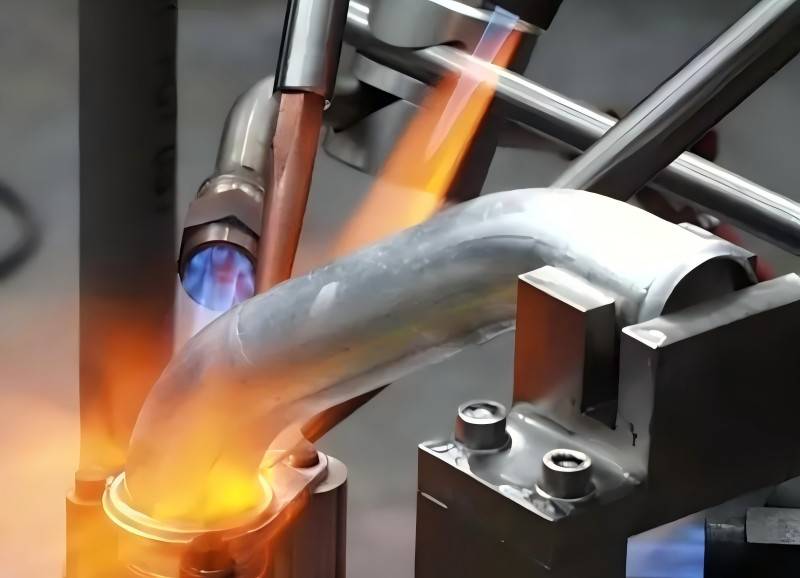
Understanding Aluminium Pipe Welding
Because of the characteristics of the metal, welding aluminum pipes calls for specific skills and knowledge. Aluminum's high thermal conductivity, which causes it to absorb heat quickly and makes it harder to control during the welding process, is one of the primary obstacles. Furthermore, aluminum develops an oxide layer on its surface that needs to be eliminated before welding in order to guarantee a strong and clean connection. Lastly, if incorrect methods or too much heat are used, its relatively low melting point may result in distortion.
Therefore, choosing the appropriate welding technique is essential. The process needs to take into consideration variables like production speed, cost, the desired weld quality, and material thickness. The most popular methods for welding aluminum pipes are listed below.
Common Methods of Aluminium Pipe Welding
1. TIG Welding (Tungsten Inert Gas Welding)
Because it can create high-quality welds, TIG welding, also referred to as Gas Tungsten Arc Welding (GTAW), is one of the most widely used techniques for tig welding aluminum tubes. This process heats and melts the metal by forming an arc with a tungsten electrode. To prevent atmospheric gases from contaminating the weld area, argon or helium gas is utilized as a shielding gas.
Key Characteristics of TIG Welding:
Superior welds: TIG welding is perfect for creating robust, superior welds because it allows for exact control over the heat input and filler metal. For sectors like aerospace, where weld integrity is crucial, this is particularly crucial.
Flexibility: TIG welding is a flexible option for various kinds of aluminum pipe joints because it can be applied in a range of positions and for intricate joint geometries.
Slow welding speed: TIG welding's comparatively slow speed in comparison to other techniques is one of its disadvantages. However, the additional time needed is frequently justified by the quality of the weld.
High heat input: TIG welding has a tendency to apply more heat to the metal, which, if not controlled, can raise the possibility of distortion. However, with the correct methods, skilled welders can effectively control this.
Applications of TIG Welding: TIG welding is frequently employed in sectors like aerospace and automotive where accuracy and superior welds are essential. It works especially well for welding aluminum pipes, especially thin-walled tubes where reducing distortion is crucial.
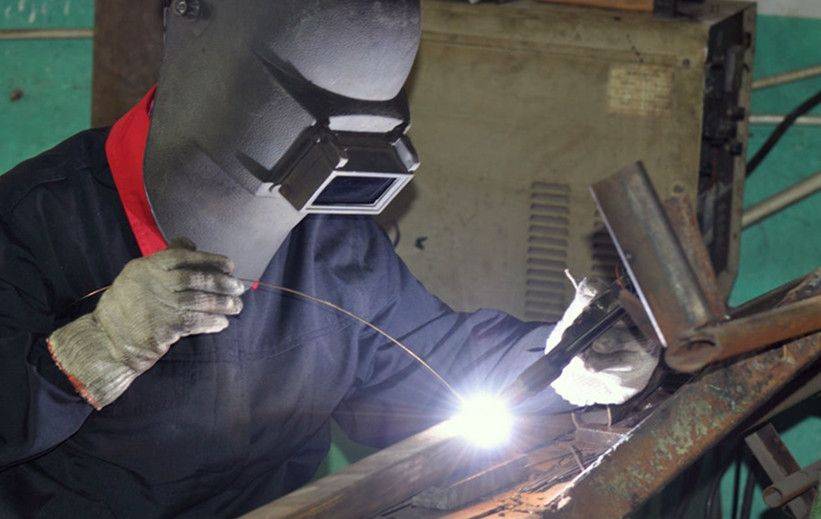
2. MIG Welding (Metal Inert Gas Welding)
Another popular technique for welding aluminum pipes is MIG welding, also referred to as Gas Metal Arc Welding (GMAW). In contrast to TIG welding, MIG welding creates the weld by melting and fusing a continuously fed wire electrode with the base material.
Key Characteristics of MIG Welding:
High production efficiency: Because of its continuous wire feed, MIG welding is quicker than TIG welding. For high-volume production settings, this makes it a more effective choice.
Low distortion: MIG welding introduces less heat into the metal than TIG welding, reducing the risk of warping and distortion.
Reduced cost: For thicker materials, MIG welding is typically less expensive than TIG welding due to its faster speed and lower heat input.
Applications of MIG Welding: When high production rates and reduced costs are important considerations, MIG welding works best for joining thicker aluminum plates and pipes. It is frequently employed in sectors where effective welding of large, heavy aluminum components is required, such as shipbuilding, structural welding, and heavy equipment manufacturing.
3. Plasma Arc Welding
A plasma torch is used in plasma arc welding (PAW), a specialized type of arc welding, to produce an intense and highly focused heat source. This technique is well-known for producing neat, excellent welds with little distortion, which makes it perfect for some kinds of aluminum welding.
Key Characteristics of Plasma Arc Welding:
Concentrated heat source: Faster welding speeds and less heat input are achieved by the plasma arc's greater concentration compared to a conventional TIG arc.
Superior weld quality: Like TIG welding, plasma arc welding creates welds that are exceptionally precise and strong.
Complex procedure: Compared to TIG or MIG welding, plasma arc welding is a more complicated procedure that calls for specific tools and skilled operators.
Applications of Plasma Arc Welding: The electronics and aerospace industries, for example, frequently employ this technique in high-precision applications where weld integrity is crucial. Plasma Arc Welding can be used to weld aluminum pipes when minimal distortion and high strength are needed.
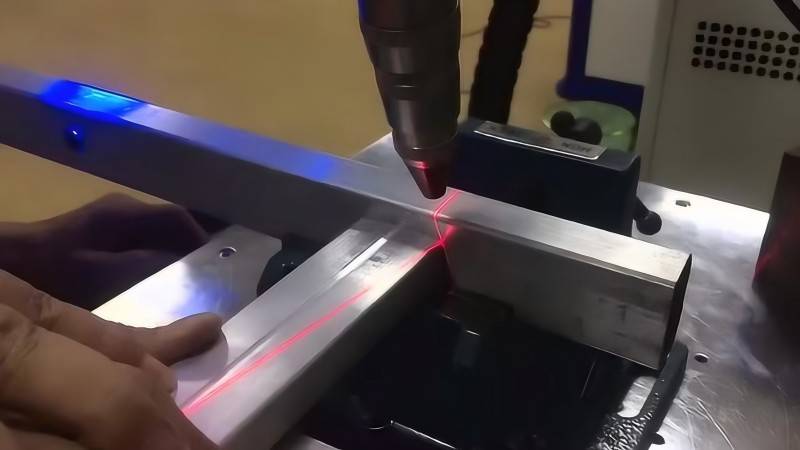
4. Laser Welding
A concentrated laser beam is used in laser welding, a very accurate welding technique, to melt and fuse materials. This method is well-known for producing tiny, accurate welds with little distortion, which makes it appropriate for aluminum pipes with thin walls.
Key Characteristics of Laser Welding:
Minimal distortion: The workpiece receives very little heat during laser welding, which lowers the possibility of distortion.
High speed: The laser's concentrated energy enables rapid welding speeds, which makes it effective for large-scale manufacturing.
High equipment cost: For some applications, laser welding may be prohibitively expensive due to the need for specialized, costly equipment.
Applications of Laser Welding: The electronics, medical device, and automotive industries are among those that use laser welding because of its precision and low heat input requirements. When tiny, accurate welds are needed, it is also utilized for tig welding aluminum tubes.
5. Friction Stir Welding
A solid-state welding technique called friction stir welding (FSW) combines materials without melting them. Instead, heat is produced through friction by a rotating tool, softening the metal and enabling forging.
Important Features of Friction Stir Welding:
No melting needed: FSW creates extremely strong welds with few flaws because the materials do not melt during the welding process.
Low distortion: Because there isn't a molten pool, FSW heats the workpiece less, which lowers the possibility of distortion.
Restricted to flat or cylindrical joints: FSW is not commonly utilized for more complex geometries and works best for straight or cylindrical joints.
Applications of Friction Stir Welding: The aerospace, automotive, and shipbuilding industries are among those that frequently use FSW when high-performance joints are needed. In these high-performance applications, where joint strength is crucial, it is especially helpful for welding aluminum pipes.
6. Oxy-Acetylene Welding
Oxy-Acetylene Welding, also known as gas welding, melts and fuses the base materials using a flame created by burning oxygen and acetylene gas. This technique is occasionally employed for less important applications, but it is not frequently used for welding aluminum because of its low heat concentration and increased risk of distortion.
Key Characteristics of Oxy-Acetylene Welding:
Basic equipment: In comparison to other welding techniques, oxy-acetylene welding calls for comparatively basic and affordable equipment.
Increased risk of distortion: This process creates a flame that heats the workpiece significantly, which can distort thin-walled aluminum pipes.
Reduced weld quality: Gas welding is not advised for applications requiring high weld strength because it does not yield welds of the same caliber as TIG or MIG welding.
Applications of Oxy-Acetylene Welding: This technique is frequently employed in welding applications where excellent weld quality is not a top concern or in repair work. Oxy-acetylene is typically utilized for non-essential parts or short-term fixes when welding aluminum pipes.
7. Manual Metal Arc Welding (Stick Welding)
A consumable electrode coated in flux is used in manual metal arc welding, commonly referred to as stick welding, to produce an arc that melts and fuses the base material. Although steel and other metals are more frequently welded using this technique, aluminum can also be welded using it in some situations.
Important Features of Manual Metal Arc Welding:
Basic equipment: Stick welding is a versatile choice for fieldwork or repairs because it only requires basic, portable equipment.
Depending on operator proficiency: Weld quality is less consistent than automated processes like TIG or MIG welding because it primarily depends on the welder's skill.
Reduced weld quality: Stick welding is generally not advised for aluminum welding unless it is necessary for repairs, and it typically results in lower-quality welds than TIG or MIG.
Uses for Manual Metal Arc Welding: Stick welding is frequently employed for repairs or when more sophisticated welding equipment is unavailable. It is not advised for high-strength or high-quality welds, but it can be used for welding aluminum pipe in non-critical joints or for urgent repairs.
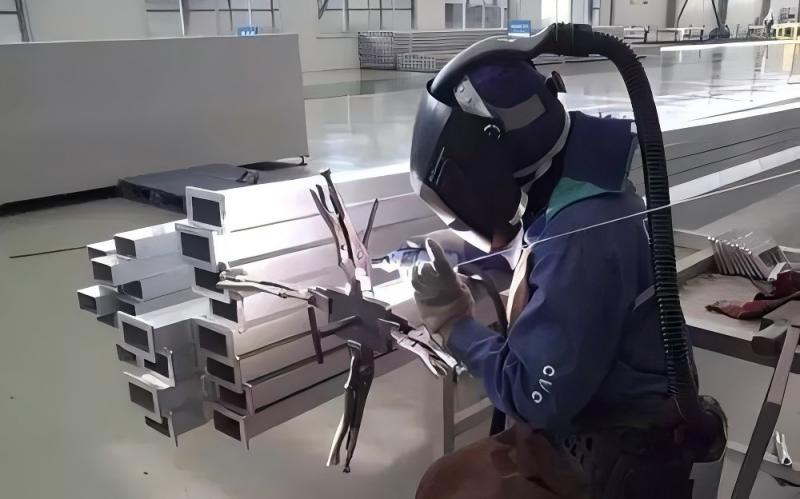
Every aluminum pipe welding technique has distinct benefits and drawbacks, so in real-world applications, the best technology should be carefully chosen based on the particular requirements and circumstances. Other techniques such as MIG welding, plasma arc welding, laser welding, and friction stir welding offer viable alternatives depending on the particular needs of the project, even though TIG welding aluminum tube stands out as a very versatile and precise method for producing high-quality welds, especially for thin-walled aluminum pipes. To ensure strong, long-lasting, and superior welds that are suited to the application at hand, choosing the appropriate technique for welding aluminum pipes is crucial.


