

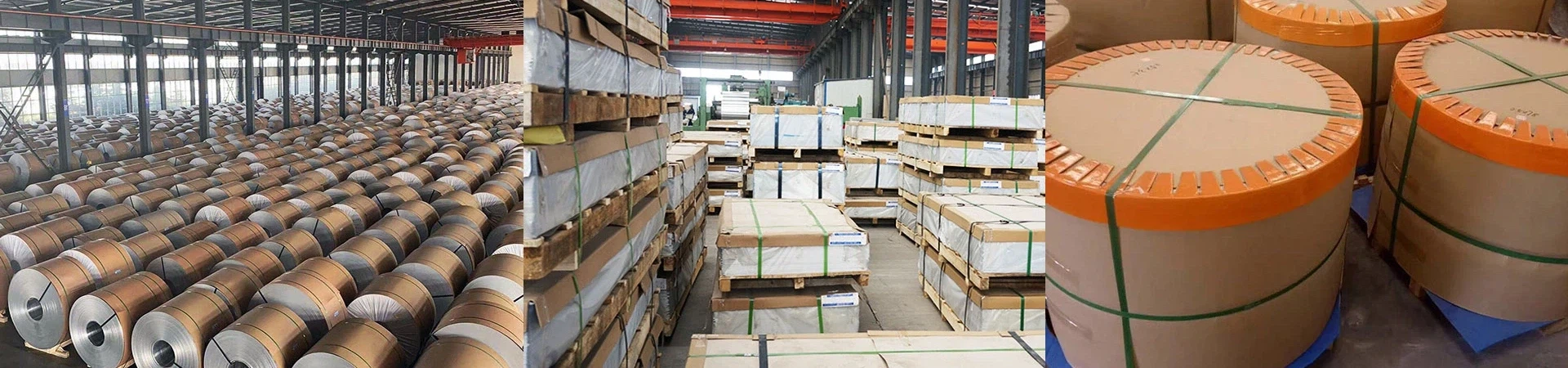
What is 6061-T6 Aluminum?
6061-T6 aluminum is one of the most widely used tempers within the 6061 aluminum alloy family, valued for its excellent balance of strength, corrosion resistance, and machinability. The "T6" designation indicates a specific heat-treating process that significantly improves the alloy's mechanical performance. In this condition, 6061 aluminum reaches high levels of tensile strength and hardness, making it suitable for applications requiring durability, dimensional accuracy, and long-term reliability. Industries such as aerospace, automotive, marine, and precision CNC machining frequently rely on 6061-T6 to manufacture structural components, brackets, and customized machined parts.
The production of 6061-T6 aluminum generally consists of three essential steps:
Solution Heat Treatment-The alloy is heated to a high temperature to dissolve the main alloying elements, primarily magnesium and silicon, into a solid solution. This prepares the material for subsequent strengthening.
Quenching-The heated alloy is rapidly cooled, usually in water, to retain the dissolved elements in place and preserve the solutionized structure.
Artificial Aging-The quenched material is reheated at a controlled lower temperature to allow the alloying elements to precipitate uniformly, increasing overall strength and hardness.
Through this sequence, 6061-T6 aluminum achieves an ideal combination of lightweight strength, machinability, wear resistance, and corrosion resistance. These properties make it highly effective for producing 6061-T6 aluminum CNC machined parts where precision and stability are essential. GNEE also commonly supplies 6061-T6 materials for machining and fabrication projects due to their consistent performance.
6061-T6 Aluminum Materials
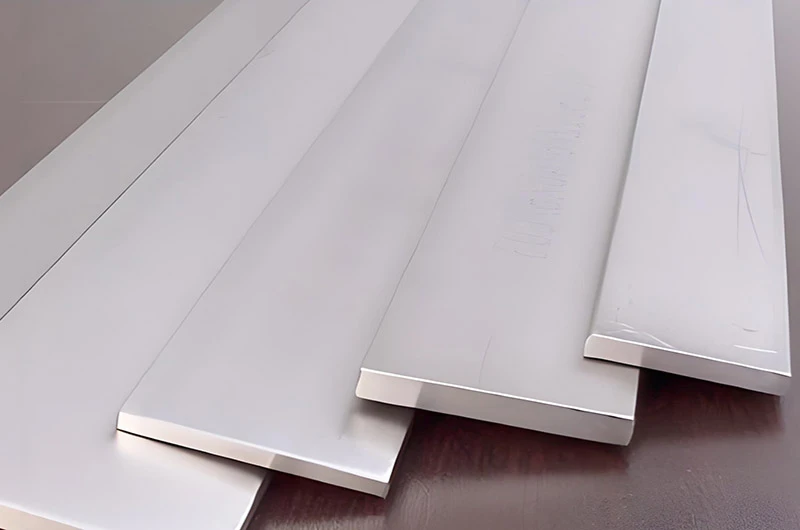
Advantages and Disadvantages of Al 6061-T6
Aluminum 6061-T6 is widely regarded as one of the most versatile engineering alloys thanks to its combination of light weight, high strength, corrosion resistance, and ease of machining. It is a preferred material across aerospace, automotive, marine, and general manufacturing fields. For CNC machining facilities, 6061-T6 is often the material of choice for creating dependable, precise aluminum machined components. Like any alloy, however, it has both benefits and limitations. Understanding these helps ensure the correct material selection for each application.
GNEE frequently recommends 6061-T6 aluminum for customers seeking reliable and cost-effective CNC machined parts, but material selection should always align with the specific requirements of the project.
Advantages of Al 6061-T6
High Strength-to-Weight Ratio-Offers excellent structural strength while remaining lightweight, ideal for aerospace frames, automotive parts, and load-bearing components.
Good Corrosion Resistance-Its magnesium-silicon composition provides strong resistance to most environmental conditions, including marine exposure.
Excellent Machinability-The alloy machines cleanly and produces smooth surface finishes, making it well-suited for 6061-T6 aluminum CNC machined parts and helping minimize production time and cost.
Good Weldability-6061-T6 can be effectively welded using standard methods, although post-weld heat treatment may be needed to recover full strength.
Versatility-Suitable for a broad range of uses-from structural beams to precision-engineered components-making it a popular option in CNC machining and fabrication sectors.
Disadvantages of Al 6061-T6
Lower Strength Compared to 7075 – While strong, 6061-T6 does not achieve the extremely high strength levels of alloys such as 7075-T6, limiting its use in the highest-stress scenarios.
Reduced Formability-After T6 tempering, the alloy becomes harder and less ductile, which reduces its suitability for deep forming or complex bending operations.
Residual Stress and Warping Potential – Standard T6 material can retain internal stress, potentially causing distortion during heavy CNC machining unless stress relief or careful planning is applied.
Moderate Fatigue Resistance-Its resistance to cyclic or vibrational loading is average, meaning carefully designed geometries may be required for components exposed to repeated stress.
Despite these drawbacks, 6061-T6 remains one of the most commonly used aluminum alloys for CNC machined parts due to its balanced performance, cost efficiency, and wide availability through suppliers like GNEE.
Summary: Advantages and Disadvantages of 6061-T6 Aluminum
Category Details
Advantages
High Strength-to-Weight Ratio Offers strong structural performance while staying lightweight, ideal for aerospace and automotive components.
Good Corrosion Resistance Resists environmental degradation, including marine exposure.
Excellent Machinability Easy to machine, producing high-quality finishes for 6061-T6 aluminum CNC machined parts.
Good Weldability Compatible with standard welding methods; strength can be restored with post-weld heat treatment.
Versatility Suitable for many types of components, making it a frequent choice in CNC machining services.
Disadvantages
Lower Strength vs. 7075 Does not achieve the same high strength as advanced alloys like 7075-T6.
Reduced Formability Less ductile after T6 treatment; unsuitable for deep bends or complex shapes.
Residual Stress & Warping May distort during heavy machining due to internal stress.
Moderate Fatigue Resistance Less resistant to repeated loading or vibration compared to high-fatigue alloys.


