

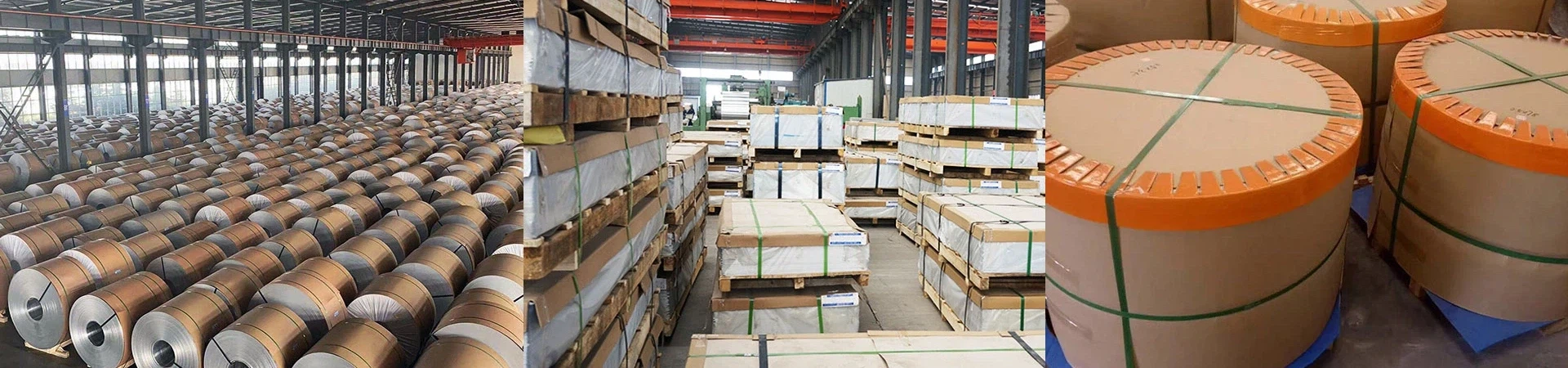
Aircraft Aluminum Alloys Comparison
Aircraft aluminum alloys play a vital role in the aerospace industry thanks to their outstanding strength-to-weight ratio, durability, and structural reliability. As a professional aluminum manufacturer and exporter, GNEE supplies certified aerospace aluminum products, including 6061 T6 aluminum tube, to meet demanding aviation and industrial requirements.
Contact GNEE today for technical data, quotations, or customized aluminum tube solutions.
Aircraft Aluminum Alloys Overview for Aerospace Applications
Modern aircraft structures rely heavily on aluminum alloys because they combine light weight with excellent mechanical performance. Different alloys exhibit different strengths, densities, and durability characteristics. Among the most widely used aerospace grades are 2024, 6061, and 7075 aluminum alloys.
This article compares these alloys with a focus on strength, weight, and durability, helping engineers and buyers choose the right material for specific applications-especially when selecting 6061 T6 aluminum tube.
Aircraft Aluminum Alloy 2024 vs 6061 T6 Aluminum Tube vs 7075 – Strength Comparison
Aircraft Aluminum Alloy 2024 (High Strength)
Characteristics:
2024 aluminum alloy is copper-based and well known for its high tensile and fatigue strength.
Applications:
Frequently used in aircraft wings, fuselage sections, and other high-load structural components.
Strength:
Tensile strength: approximately 470 MPa (68 ksi)
One of the strongest conventional aluminum alloys
Aircraft Aluminum Alloy 6061 T6 Aluminum Tube (Balanced Performance)
Characteristics:
6061 aluminum alloy contains magnesium and silicon as its primary alloying elements. In the T6 temper, it provides an excellent balance of strength, weldability, and corrosion resistance.
Applications:
Commonly used for aircraft frames, brackets, supports, and 6061 T6 aluminum tube applications where fabrication and corrosion resistance are critical.
Strength:
Tensile strength: approximately 310 MPa (45 ksi)
Medium strength with strong overall performance
Aircraft Aluminum Alloy 7075 (Ultra-High Strength)
Characteristics:
7075 aluminum alloy is zinc-based and offers extremely high strength and fatigue resistance.
Applications:
Widely used in military aircraft, landing gear components, and highly stressed aerospace structures.
Strength:
Tensile strength: up to 570 MPa (83 ksi)
One of the highest-strength aluminum alloys available

Aircraft Aluminum Alloys Weight Comparison Including 6061 T6 Aluminum Tube
The weight of aluminum alloys is determined mainly by density, which generally ranges between 2.6 and 2.8 g/cm³.
2024 aluminum alloy: ~2.78 g/cm³
High strength but relatively heavier
6061 T6 aluminum tube: ~2.70 g/cm³
Lightweight and ideal for applications with strict weight limits
7075 aluminum alloy: ~2.81 g/cm³
Slightly heavier despite its exceptional strength
Aircraft Aluminum Alloys Durability Comparison
Durability includes corrosion resistance, fatigue performance, and environmental stability.
2024 Aircraft Aluminum Alloy
Corrosion resistance: Poor; usually requires anodizing or cladding
Fatigue performance: Good, but long-term fatigue cracking may occur
6061 T6 Aluminum Tube
Corrosion resistance: Good; performs well in most atmospheric conditions
Fatigue performance: Stable and suitable for welded aircraft components
7075 Aircraft Aluminum Alloy
Corrosion resistance: Poor without surface treatment
Fatigue performance: Excellent, ideal for cyclic high-load conditions
Aircraft Aluminum Alloys Comparison Table
| Alloy Grade | Tensile Strength (MPa) | Density (g/cm³) | Corrosion Resistance | Typical Applications |
|---|---|---|---|---|
| 2024 | ~470 | 2.78 | Poor | Wings, fuselage structures |
| 6061 T6 aluminum tube | ~310 | 2.70 | Good | Frames, brackets, tubing |
| 7075 | ~570 | 2.81 | Poor | High-strength aerospace parts |
Chemical Composition of 6061 T6 Aluminum Tube
| Element | Content (%) |
|---|---|
| Aluminum (Al) | Balance |
| Magnesium (Mg) | 0.8 – 1.2 |
| Silicon (Si) | 0.4 – 0.8 |
| Copper (Cu) | 0.15 – 0.40 |
| Chromium (Cr) | 0.04 – 0.35 |
| Iron (Fe) | ≤ 0.70 |
| Zinc (Zn) | ≤ 0.25 |
Mechanical Properties of 6061 T6 Aluminum Tube
| Property | Typical Value |
|---|---|
| Tensile Strength | ≥ 310 MPa |
| Yield Strength | ≥ 240 MPa |
| Elongation | 8–12% |
| Hardness | ~95 HB |
| Density | 2.70 g/cm³ |
Standard Sizes of 6061 T6 Aluminum Tube
| Outer Diameter (mm) | Wall Thickness (mm) | Length |
|---|---|---|
| 10 – 200 | 1 – 20 | Up to 6000 mm |
| Custom sizes | Available | As requested |
GNEE supports custom extrusion, cutting, and machining services.
How to Choose the Right Aircraft Aluminum Alloy
2024 aluminum alloy is ideal when high strength is the primary requirement.
6061 T6 aluminum tube is the best choice for lightweight structures requiring corrosion resistance and weldability.
7075 aluminum alloy excels in ultra-high-strength and fatigue-critical aerospace components but needs surface protection.
Selecting the correct alloy is essential for aircraft safety, efficiency, and long-term performance.
Why Choose GNEE for 6061 T6 Aluminum Tube?
With stable quality control, international certifications, and global supply capability, GNEE is a trusted supplier of 6061 T6 aluminum tubes for aerospace and industrial applications.
Contact GNEE now to get a quote, technical datasheets, or customized solutions for your aircraft aluminum alloy requirements.


