

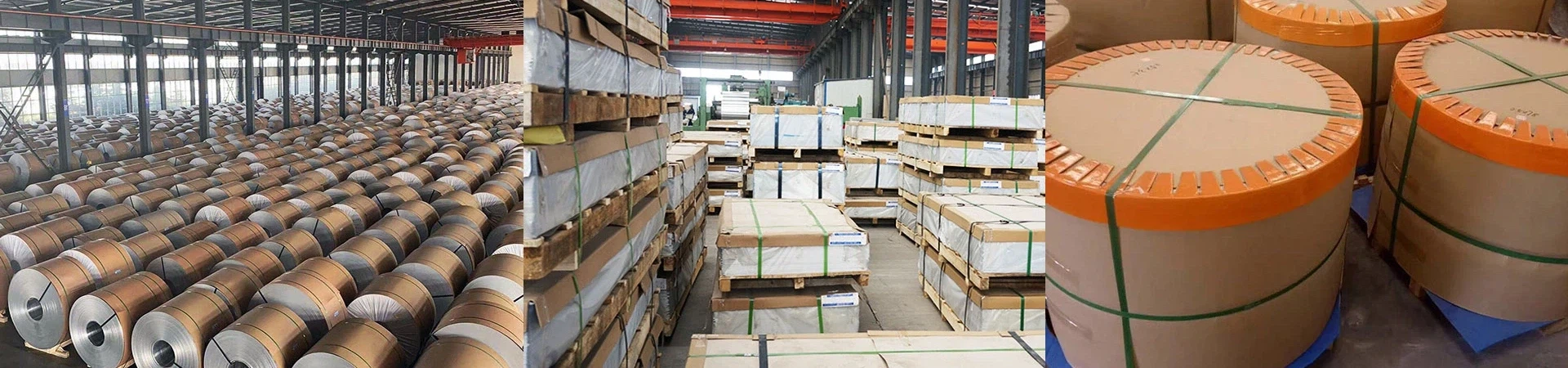
When comparing 6061 aluminum CNC machining vs. 6063 aluminum CNC machining, understanding the advantages, limitations, and cost implications of each alloy is essential. Both materials are widely used in CNC machining, but they serve different purposes depending on strength requirements, surface finish expectations, and budget constraints.
At GNEE, we supply both 6061 and 6063 aluminum alloys to support CNC machining projects across industrial, architectural, and decorative applications.
Pros and Cons of 6061 Aluminum in CNC Machining
6061 aluminum is one of the most widely used CNC machining materials due to its outstanding balance of strength, durability, and machinability. It performs exceptionally well in high-stress environments and is commonly selected for aerospace, automotive, and industrial components.
Its excellent machinability allows for precise tolerances and complex CNC operations. However, compared with 6063 aluminum, the surface finish of 6061 is less smooth, which can limit its use in appearance-driven or decorative applications.
Pros and Cons of 6063 Aluminum in CNC Machining
6063 aluminum is best known for its superior surface quality and corrosion resistance. It is softer than 6061, making it easier to machine and ideal for producing smooth, visually appealing parts.
This alloy is frequently used in architectural components, piping systems, and decorative CNC-machined products. The primary limitation of 6063 aluminum is its lower mechanical strength, which makes it unsuitable for heavy-load or high-stress applications.
6061 vs 6063 Aluminum: CNC Machining Advantages at a Glance
| Alloy | Key Advantages | Main Limitations |
|---|---|---|
| 6061 Aluminum | High strength, excellent durability, precise machinability | Less refined surface finish |
| 6063 Aluminum | Smooth surface, easy extrusion, strong corrosion resistance | Lower strength, limited load capacity |

Cost Comparison: 6061 Aluminum vs 6063 Aluminum
When choosing between 6061 vs 6063 aluminum, cost plays an important role in project planning.
6061 aluminum generally has a higher raw material price due to its strength and versatility. Machining costs are also slightly higher because of its toughness and tooling requirements. This alloy is best suited for applications where performance and durability outweigh initial cost concerns.
6063 aluminum is more budget-friendly in terms of material and machining costs. Its softer nature reduces tooling wear and machining time, making it an economical choice for decorative or light-duty CNC machining projects.
6061 vs 6063 Aluminum Cost Comparison Table
| Aspect | 6061 Aluminum | 6063 Aluminum |
|---|---|---|
| Material Cost | Higher due to strength and versatility | Lower, suitable for cost-sensitive projects |
| Machining Cost | Slightly higher because of hardness | Lower due to easier machinability |
| Best Use Case | Heavy-duty, high-performance components | Decorative and light-duty components |
| Overall Cost | Higher upfront, justified by durability | More economical for aesthetic applications |
Choosing Between 6061 and 6063 for CNC Machining Projects
Selecting the right aluminum alloy depends on your project's functional and budgetary priorities.
Strength Requirements
6061 aluminum is the preferred option for high-stress applications such as industrial machinery, automotive parts, and aerospace components.
6063 aluminum is better suited for light-duty parts where load-bearing strength is not critical.
Surface Finish Expectations
6061 aluminum offers reliable performance for functional parts but produces a more industrial surface appearance.
6063 aluminum delivers a smooth, polished finish that is ideal for architectural and consumer-facing products.
Budget Considerations
6061 aluminum commands a higher price but delivers long-term reliability in demanding environments.
6063 aluminum provides a cost-effective solution for projects focused on appearance and corrosion resistance.
6061 vs 6063 CNC Machining: Industry Examples
Industrial Manufacturing: Gears and machine frames are commonly produced from 6061 aluminum due to its strength and stability.
Building Construction: Window frames and architectural profiles often use 6063 aluminum for its smooth finish and weather resistance.
Final Thoughts on 6061 vs 6063 Aluminum CNC Machining
Choosing between 6061 vs 6063 aluminum for CNC machining comes down to balancing strength, surface finish, and cost. Define your project requirements clearly, and the right alloy choice becomes straightforward.
As a professional aluminum supplier, GNEE offers high-quality 6061 and 6063 aluminum materials to support CNC machining projects across a wide range of industries. Contact GNEE to find the optimal aluminum solution for your next project.


