

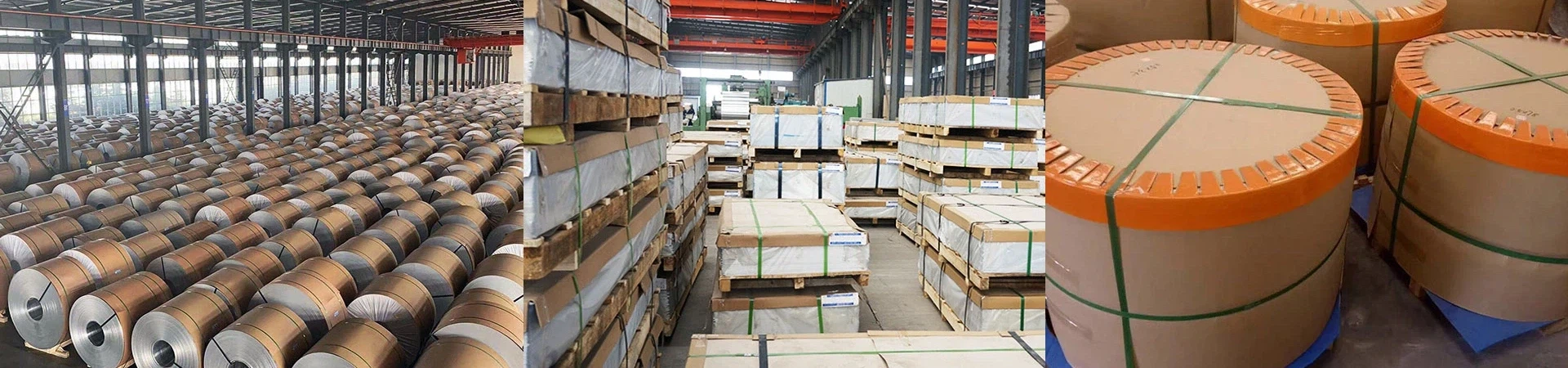
Aluminum Alloy 1050 plate Overview: High Conductivity Aluminum
If you are looking for a cost-effective aluminum alloy with excellent electrical conductivity for power and electrical applications, Aluminum Alloy 1050 plate supplied by GNEE is a proven and widely accepted solution. As a professional aluminum supplier, GNEE provides stable-quality 1050 aluminum plate products that meet the demanding requirements of transformer, switchgear, and electrical equipment manufacturers worldwide. Contact GNEE today to learn more about specifications and availability.
Aluminum Alloy 1050 Plate and High Electrical Conductivity
Aluminum Alloy 1050 plate belongs to the high-purity aluminum category and is commonly grouped with Aluminum Alloy 1350 as a high-EC (Electrical Conductivity) aluminum material. These alloys contain a minimum of 99.5% aluminum, giving them superior electrical conductivity compared with most other alloys in the 1000 series.
Due to this high aluminum content, 1050 aluminum plate demonstrates excellent current-carrying capability, low electrical resistance, and stable performance. As a result, it is widely regarded as one of the most practical aluminum choices for electrical systems where conductivity and cost efficiency are critical.
Why Aluminum Alloy 1050 Plate Is Preferred in Electrical Applications
Among all 1000-series aluminum alloys, Aluminum Alloy 1050 plate and Aluminum Alloy 1350 are especially favored in the transformer and switchgear industries. These alloys provide the most economical balance between conductivity, availability, and price within the high-purity aluminum range.
Although certain aluminum grades may contain slightly higher aluminum content, they are often difficult to source and significantly more expensive. In contrast, 1050-plate aluminum alloy offers reliable supply, competitive pricing, and consistent performance, making it the preferred option for large-scale electrical manufacturing and infrastructure projects.

Comparison Between Aluminum Alloy 1050 Plate and Aluminum Alloy 1350
While aluminum alloys 1050 and 1350 share many similarities in purity and conductivity, there is one notable distinction in their chemical composition.
The primary difference lies in silicon content. Aluminum Alloy 1050 plate has a slightly higher maximum allowable silicon content than Aluminum Alloy 1350. Although this difference is very small and both values are specified as maximum limits, it may influence performance in highly sensitive or critical electrical applications.
For most standard electrical uses, this difference has minimal practical impact. However, in applications with strict conductivity or performance requirements, careful alloy selection remains important.
Applications of Aluminum Alloy 1050
Thanks to its high electrical conductivity and cost efficiency, Aluminum Alloy 1050 plate is widely used in:
Transformers and transformer windings
Switchgear systems
Electrical busbars
Power distribution components
Conductive plates and sheets
Its excellent formability and corrosion resistance further enhance its suitability for long-term electrical service environments.
Conclusion: Choose Aluminum Alloy 1050 platefrom GNEE
Aluminum Alloy 1050 plate offers an ideal combination of high electrical conductivity, reliable availability, and economical pricing, making it a leading material choice in the electrical and power industries. While closely related to Aluminum Alloy 1350, 1050 plate aluminum stands out for its balanced composition and broad market acceptance.
As a trusted Chinese supplier, GNEE delivers Aluminum Alloy 1050 plate products with consistent quality, strict composition control, and global supply capabilities. Contact GNEE today to receive technical support, quotations, and tailored solutions for your electrical aluminum requirements.
FAQs About 1050 Aluminum Plate
What are the advantages of aluminum 1050 plate?
Excellent corrosion resistance
Outstanding ductility and formability
High thermal and electrical conductivity
Cost-effective and fully recyclable
What is the difference between 6061 aluminum plate and 1050 aluminum plate?
| Aspect | 6061 Aluminum Plate | 1050 Aluminum Plate |
|---|---|---|
| Aluminum Content | ≥ 98.85% | ≥ 99.5% |
| Main Alloying Elements | Magnesium, Silicon | Iron, Silicon |
| Heat Treatable | Yes | No |
| Strength | High | Low |
| Typical Applications | Structural components | Electrical and formed parts |
Is aluminum 5055 better than 1050 aluminum plate?
Neither alloy is universally better. 5055 aluminum plate offers higher strength and is more suitable for structural uses, while 1050 aluminum plate excels in conductivity, ductility, and corrosion resistance.
What is the equivalent grade of 1050 aluminum plate?
ASTM: 1350 / A91050 (commonly referenced)
DIN: 3.0255
EN: EN AW-1050A
ISO: Al99.5
JIS: A1050
What is the price of a 1050 aluminum plate?
Depending on market conditions, size, temper, and supplier, 1050 aluminum plate typically ranges from USD 2,000 to 3,500 per metric ton.


