

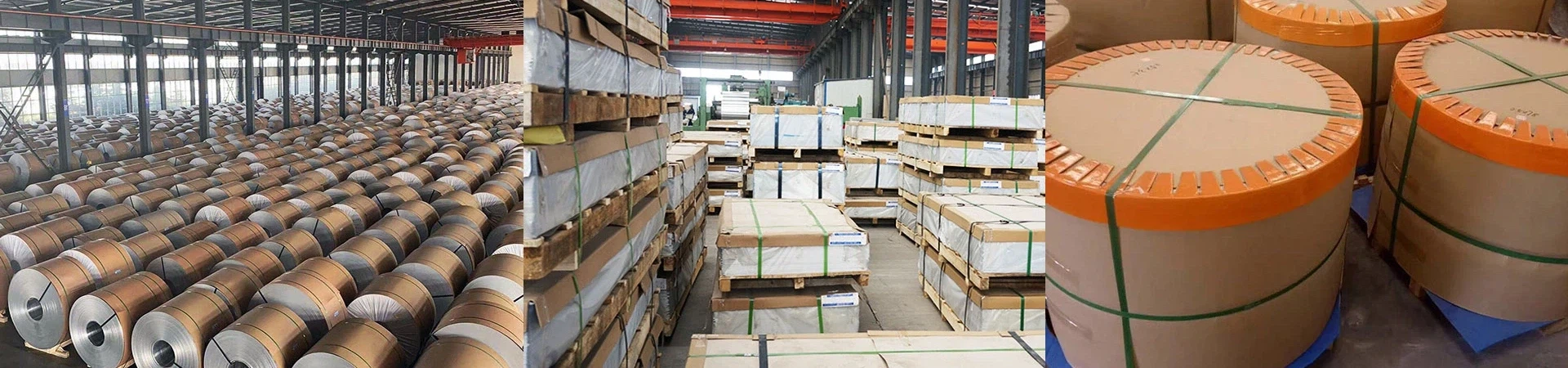
Aluminum Alloys 5052-H32 and 6061-T6
Aluminum alloys 5052-H32 and 6061-T6 are popular for their lightweight nature, excellent corrosion resistance, and high tensile strength. Both can be anodized for enhanced surface protection, making them suitable for demanding environments.
Despite their similarities, these alloys are not interchangeable. Choosing the right one depends on several factors-such as exposure to extreme temperatures, the risk of corrosion in the final application, and budget constraints. Whatever your requirements, there's an alloy that fits-and GNEE, a trusted Chinese supplier, can help you make the right selection.
Aluminum Fabrication with 5052-H32
Available in sheet and plate form, 5052-H32 is highly formable and can be bent without cracking.
As one of the strongest non-heat-treatable aluminum sheet metals in widespread use, 5052-H32 excels in weldability and cold workability and offers a smooth surface finish. Its primary alloying elements are magnesium and chromium.
With superior fatigue strength and elasticity compared to 6061-T6, 5052-H32 is ideal for forming applications. However, its "gummy" nature during machining can make processing more labor-intensive and slightly more expensive.
5052-H32 sheets are commonly used in products like fuel tanks and storm shutters. The platform is often used for marine applications, including boat hulls.

5052-H32 vs. 6061-T6: Which Aluminum Alloy Is Best for Your Part?
Key Features of Aluminum 5052-H32:
Non-heat-treatable
High fatigue strength
33,000 psi ultimate tensile strength
Cold workable
Excellent corrosion resistance, especially in marine or saltwater environments
Smooth surface finish
Not suitable for extrusion
Fair machinability
Excellent workability and formability
Excellent weldability
Low-to-medium yield strength (28,000 psi)
Aluminum Machining with 6061-T6
Available in sheet and structural form, 6061-T6 is most effective when used in machined components rather than sheet metal applications. Known for its strong, hard structure, 6061-T6 (also called "structural aluminum") is commonly extruded, forged, or rolled.
With magnesium and silicon as its main alloying elements, 6061-T6 offers medium-to-high strength and excellent machinability. While it can be welded, the material is more sensitive to cracking and may require additional care during fabrication.
6061-T6 is widely used in aerospace components, hydraulic tubing, and even bicycle frames. It is generally more expensive than 5052-H32, so choosing it unnecessarily could lead to higher costs.
Key Features of Aluminum 6061-T6:
Heat-treatable
45,000 psi ultimate tensile strength
High corrosion resistance
Semi-smooth surface finish
Excellent extrudability
Good corrosion resistance
Excellent machinability
Fair workability and formability
Good weldability
Medium-to-high yield strength (40,000 psi)

GNEE: Your Trusted Partner for Precision Aluminum Fabrication
With expertise in sheet metal fabrication and precision machining, GNEE consistently delivers high-quality aluminum products. We are always ready to assist you in selecting the most appropriate aluminum alloy to ensure the success of your project.


