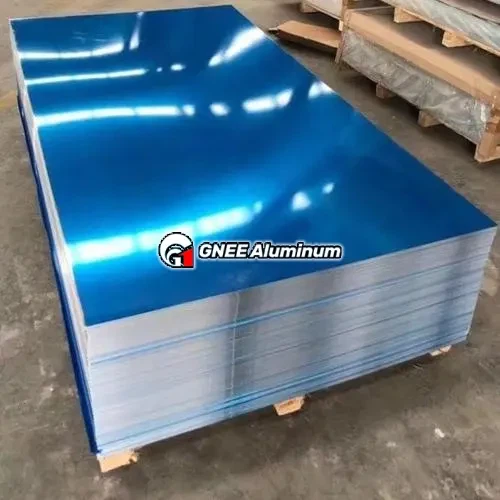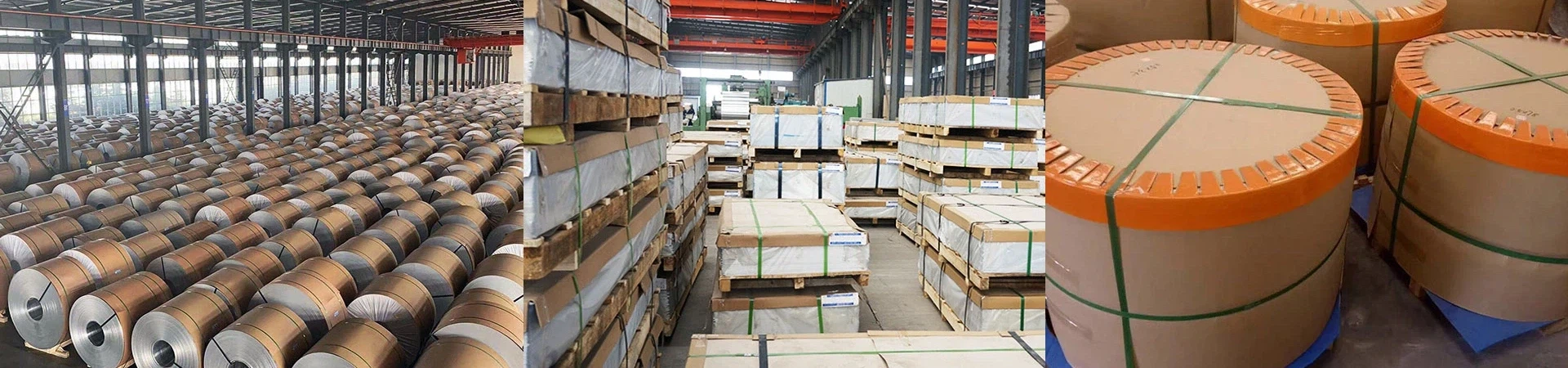
Aluminum plate, a common metal product, actually has a complex production process behind it. Today, let us unveil the mystery of aluminum plate manufacturing together!
First of all, the raw material of aluminum plate is aluminum billet ingot. These ingots undergo a series of plastic processing steps, including rolling, extrusion, stretching and forging, and are finally shaped into the plate-shaped aluminum products we are familiar with. In this process, precise control of temperature, pressure and time is the key to ensure the performance and quality of aluminum plate.
Next, in order to further improve the performance of aluminum plate, a series of post-processing is required. These treatments include annealing, solution treatment, quenching, and natural aging and artificial aging. These steps can optimize the physical and chemical properties of aluminum plate, making it more suitable for various application scenarios.
So, how to define aluminum plate? Simply put, aluminum plate is a rectangular material made by pressure processing, with a thickness of more than 0.2mm and less than 500mm, a width of more than 200mm, and a length of less than 16m. Within this range, aluminum plate can be further subdivided into aluminum plate and aluminum sheet according to thickness.
It is worth mentioning that with the development of technology, there are also some special types of aluminum plates on the market, such as patterned aluminum plates, alloy aluminum plates, etc. These aluminum plates are not only innovative in appearance, but also more diverse in performance.
In short, the manufacture of aluminum plates is a process involving multiple steps and complex processes. Every link is crucial to ensure the quality and performance of the final product. I hope this article can give you a deeper understanding of aluminum plates!