

When sourcing structural materials, evaluating ASTM B646 aluminum is a key step for engineers. High-strength aluminum is strong, but how does it react when a small crack appears? This is where an aluminum crack resistance test becomes necessary.
This guide explains ASTM B646, why fracture-toughness aluminum matters, and how to choose the right alloys for your projects.
1. What is ASTM B646
Definition of ASTM B646
ASTM B646 is a standard practice for fracture toughness testing of aluminum alloys. It acts as a guidebook. It tells engineers and labs how to properly set up, conduct, and review fracture tests specifically for aluminum products.
Scope of the Standard
This standard applies only to aluminum alloys. It covers how to measure the material's resistance to crack extension. It provides specific rules for taking test samples from different aluminum shapes, like plates, extrusions, or forgings.
Difference from Material Specifications
It is important to know that ASTM B646 is a testing practice, not a product specification. For example, ASTM B209 (for aluminum sheet and plate) tells you the required chemical makeup and yield strength of a product. ASTM B646 does not tell you if the material passes or fails. It only tells you how to perform the fracture test. The passing values are decided by the buyer's own project requirements or aerospace specs.
Common Usage Scenarios
Buyers and engineers use this standard mainly in lab testing and aerospace material validation. If you are building an airplane wing, you must prove the metal can stop a crack from growing. ASTM B646 sets the rules for proving this.


2. Why Fracture Toughness Matters in Aluminum Alloys
Crack Initiation vs Crack Propagation
In engineering, metal failure happens in two stages: crack initiation (when a crack starts) and crack propagation (when a crack grows). Fracture toughness measures how well a material resists crack propagation. Even if a material is perfectly machined, tiny flaws exist. Fracture toughness ensures these small flaws do not turn into sudden breaks.
Importance in Lightweight Structures
Industries use aluminum because it is light. However, to carry heavy loads, the aluminum must be very strong. The problem is the strength vs. toughness trade-off. As aluminum gets harder and stronger, it usually becomes more brittle.
Failure Risks in High-Strength Aluminum
Without measuring the fracture toughness (often represented by the K_IC value), using high-strength aluminum is a major engineering risk. In aircraft or pressure vessels, a sudden brittle fracture can lead to complete system failure. Knowing the fracture toughness allows engineers to calculate exactly how much load the part can handle safely, even with minor damage.
3. Applicable Aluminum Alloys of ASTM B646
Not all aluminum requires fracture testing. This test is mainly for high-strength series.
7xxx Series Aluminum
The 7xxx series is alloyed with zinc. It offers the highest strength among aluminum alloys.
- 7075-T6: Very high strength, used in standard aircraft parts.
- 7050-T7451: Often used for thick plates. The T7451 temper is specially treated to improve stress-corrosion cracking resistance and maintain good fracture toughness.

2xxx Series Aluminum
The 2xxx series is alloyed with copper. It is known for excellent fatigue resistance and toughness.
- 2024-T3: High strength with excellent damage tolerance.
- 2024-T351: Stress-relieved plate, widely used for structural parts where crack resistance is critical.
7075, 7050, 2024 aluminum Alloy Comparison Table
| Alloy | Tensile Strength (MPa) | Yield Strength (MPa) | Fracture Toughness K_IC (MPa√m) | Typical Use |
|---|---|---|---|---|
| 7075-T6 | 510–570 | 430–480 | 25–30 | Aircraft structures, gears |
| 7050-T7451 | 510–560 | 440–490 | 30–40 | Thick aircraft bulkheads |
| 2024-T3 | 470–520 | 320–370 | 35–45 | Aircraft fuselage, skin |
| 2024-T351 | 470–520 | 320–370 | 40–50 | Machined structural parts |
Need a Quote?
Looking for high-strength 7075 or 2024 aluminum plates with certified mill test reports? Contact GNEE today for a quick price and availability check.
4. Test Methods Overview (CT & SENB)
ASTM B646 guides labs on how to test aluminum using established methods. The two most common test shapes are the CT and SENB specimens.
Compact Tension (CT) Specimen
The CT specimen is a block of metal with a notch cut into one side and two holes for loading pins. It is widely used for aluminum plates. A machine pulls the pins apart to force the crack to open. This measures how much force is needed to make the crack grow.
Single Edge Notch Bend (SENB)
The SENB test uses a rectangular bar with a notch cut into the center. It uses a three-point bend setup. The bar is supported on both ends, and pressure is applied to the middle, directly above the notch. This is very common for testing thicker aluminum materials.
Key Parameters Measured
K_IC (Plane-Strain Fracture Toughness): The critical value where sudden fracture happens.
Crack Growth Rate: How fast the crack extends under repeated loading.
Load vs. Displacement: The data curve showing how the metal bends before it breaks.
5. ASTM B646 vs ASTM E399
Buyers often see both ASTM B646 and ASTM E399 on technical drawings. It is important to know the difference. ASTM E399 is the actual test method for measuring K_IC in any metal. ASTM B646 is the specific guideline for applying E399 (and other tests) to aluminum products.
Key Differences Table
| Item | ASTM B646 | ASTM E399 |
| Material | Aluminum alloys only | All metallic materials |
| Focus | Application-specific guidelines | Fundamental fracture mechanics |
| Usage | Aerospace aluminum sampling | General fracture testing |
When to Use Each Standard
If you are buying steel or titanium, you look at ASTM E399. If you are buying an aluminum plate for an aerospace project, the testing lab must follow ASTM E399 to run the machine, but they must follow ASTM B646 to know exactly where to cut the sample from the plate and how to interpret the results.
Technical Support Available
Unsure which testing standard applies to your next aluminum order? Send us your drawing or material spec, and our engineers will help you clarify.
6. Applications in Aerospace and Defense
Aerospace Structural Integrity
Commercial airplanes experience stress every time they take off and land. 2024 and 7075 aluminum are used in airplane wings and fuselage structures. High fracture toughness ensures that minor impacts (like bird strikes or tool drops) do not cause the wing to fail in flight.
High-Reliability Engineering
Beyond aerospace, these materials are used in high-pressure systems and heavy transport. For example, large compressed gas tanks or specialized rail transport frames use high-toughness aluminum to save weight while ensuring the pressure will not burst the metal.
7. How GNEE Supports High-Performance Aluminum Supply
At GNEE, we understand that supplying aerospace-grade aluminum is about strict data and traceability.
- Supported Alloys
We stock and supply premium high-strength alloys including 7075, 7050, 2024, and 5083. Whether you need standard tempers or specialized stress-relieved plates (T351, T7451), we have the supply chain to deliver.
- Testing and Certification
Every batch of high-performance aluminum comes with a detailed Mill Test Certificate (MTC). We provide data on mechanical properties, chemical composition, and Ultrasonic Testing (UT) to ensure there are no internal defects.
- Third-Party and Custom Sizes
We fully support third-party inspections from agencies like SGS or BV before shipment. GNEE also offers custom sizing, including thick plates and extra-wide aluminum plates, cut to your exact project requirements.
8. Quality Control and Testing Capabilities
Internal Quality Process
Quality control starts before the metal is cut. We check the lot numbers, verify the chemical data, and perform strict visual and dimensional checks.
Fracture Testing Support
If your project requires an actual aluminum crack resistance test per ASTM B646, we can arrange this. We work with certified third-party laboratories to conduct the fracture toughness testing and provide the official K_IC data you need for compliance.
Tolerances and Surface
We ensure strict thickness and flatness tolerances. The surface is kept clean and free from deep scratches that could act as crack initiation points.

Need a Reliable Supplier?
Stop worrying about material compliance. Contact GNEE to request sample test reports and see our strict quality control records.
9. Packaging and Delivery for Aerospace Aluminum
Protective Packaging
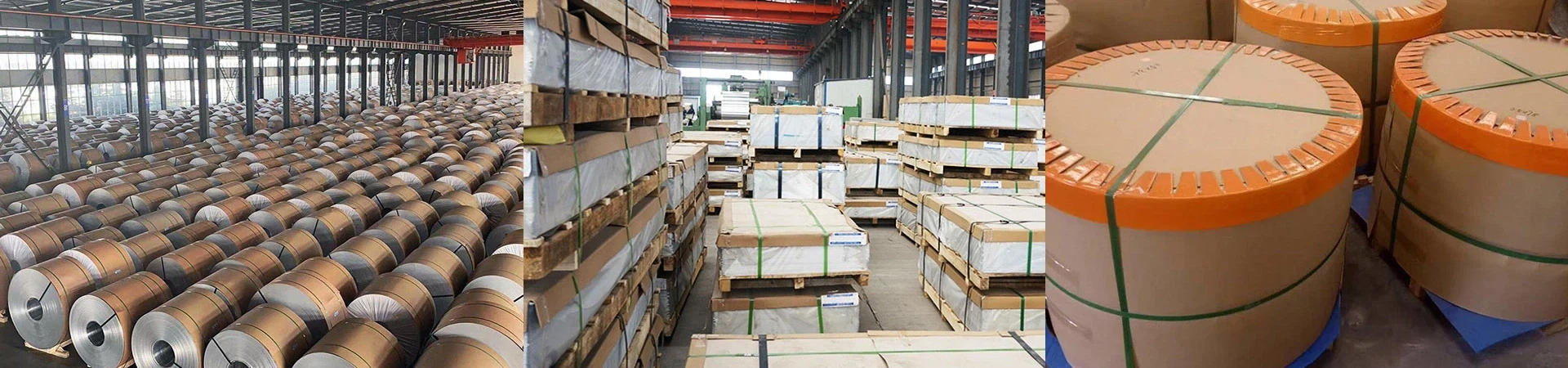
We apply PVC film to the surface of the plates to prevent scratches during handling. The metal is then packed on solid export wooden pallets.
Transport Safety
Moisture protection is added to prevent water damage or oxidation during transit. Whether you require fast air freight for urgent aerospace parts or standard sea freight for bulk orders, we ensure the material arrives in perfect condition.


