

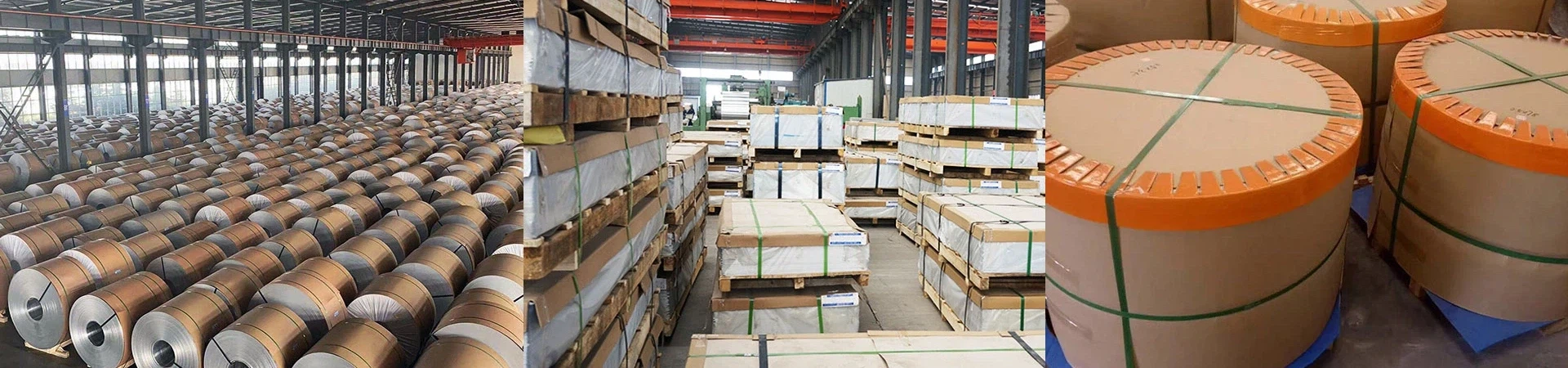
Aluminum foil plays a vital role in the manufacturing and performance of batteries. As an important component, it contributes to the structural integrity, electrical conductivity and overall efficiency of various battery types. From lithium-ion to lead-acid batteries, aluminum foil is utilized for its unique properties and versatility to meet the specific needs of different battery chemistries. Understanding the manufacturing process and the different types of aluminum foil used in batteries can shed light on their importance and impact on battery performance.

Manufacturing process of battery aluminum foil
Aluminum foil for battery applications is manufactured through a multi-step process that includes several stages of rolling, annealing and finishing. The following is a general overview of the aluminum foil manufacturing process for batteries:
Casting: The process begins with casting an aluminum ingot or billet. Aluminum is melted in a furnace and cast into large rectangular blocks or cylinders. These pieces are called "boards" or "logs".
Hot Rolling: Slabs or logs are heated and passed through a series of rolling mills. The rolling process gradually reduces the thickness of the aluminum while increasing its length and width. The initial hot rolling is done at high temperatures to make the aluminum more ductile.
Cold Rolling: After hot rolling, the aluminum strip undergoes a process called cold rolling. It goes through an additional mill at room temperature to further reduce thickness and improve surface finish. Cold rolling helps achieve the required foil thickness and tight tolerances.
Annealing: Cold rolled aluminum strip is annealed to enhance its mechanical properties. Annealing involves heating the strip to a specific temperature and then slowly cooling it. This process helps relieve internal stresses and increases the flexibility and strength of the foil.
Finishing: The annealed aluminum strip is trimmed to the required width and length, and the edges are smoothed to ensure uniformity. Depending on the specific battery application requirements, the foils can receive additional treatments such as surface texturing, coatings or laminations.

Quality Control: Throughout the manufacturing process, strict quality control measures are implemented to ensure that the aluminum foil meets the required specifications. Various tests such as thickness measurement, surface inspection and conductivity inspection are conducted to verify the quality of the foil.
Slitting and packaging: Finished aluminum foil is typically cut into narrower rolls of the required width to meet customer requirements. The foil rolls are then typically packaged in protective packaging material to prevent damage during storage and transportation.
It is important to note that the manufacturing process may vary depending on the specific requirements of the battery foil.


