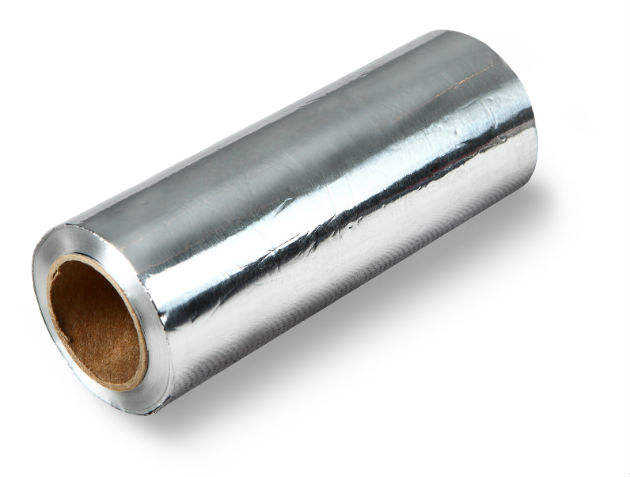
Impact of 8011 Aluminum Foil Material Properties on Processing Techniques:
Question 1: How does the tensile strength of 8011 aluminum foil affect the processing technique?
Answer: The high tensile strength of 8011 aluminum foil allows it to withstand the stresses and strains of various processing techniques without deforming or tearing, ensuring a smooth and efficient manufacturing process.
Question 2: How does the thermal conductivity of 8011 aluminum foil influence the processing technique?
Answer: The excellent thermal conductivity of 8011 aluminum foil facilitates fast and uniform heating or cooling during processing, resulting in improved efficiency and quality of the final product.
Question 3: What role does the corrosion resistance of 8011 aluminum foil play in the processing technique?
Answer: The high corrosion resistance of 8011 aluminum foil ensures its durability and longevity during processing, reducing the risk of material degradation and maintaining the integrity of the product.
Question 4: How does the flexibility of 8011 aluminum foil impact the processing technique?
Answer: The flexibility of 8011 aluminum foil allows for easy manipulation and shaping during processing, enabling the production of complex and intricate designs with precision and accuracy.
Question 5: What is the significance of the surface finish of 8011 aluminum foil in the processing technique?
Answer: The smooth and uniform surface finish of 8011 aluminum foil enhances its appearance and functionality during processing, leading to a high-quality end product that meets the desired specifications.
In conclusion, the material properties of 8011 aluminum foil have a significant impact on the processing technique, contributing to improved efficiency, quality, and durability in the manufacturing process. By understanding and leveraging these properties, manufacturers can achieve optimal results and meet the demands of their customers effectively.