

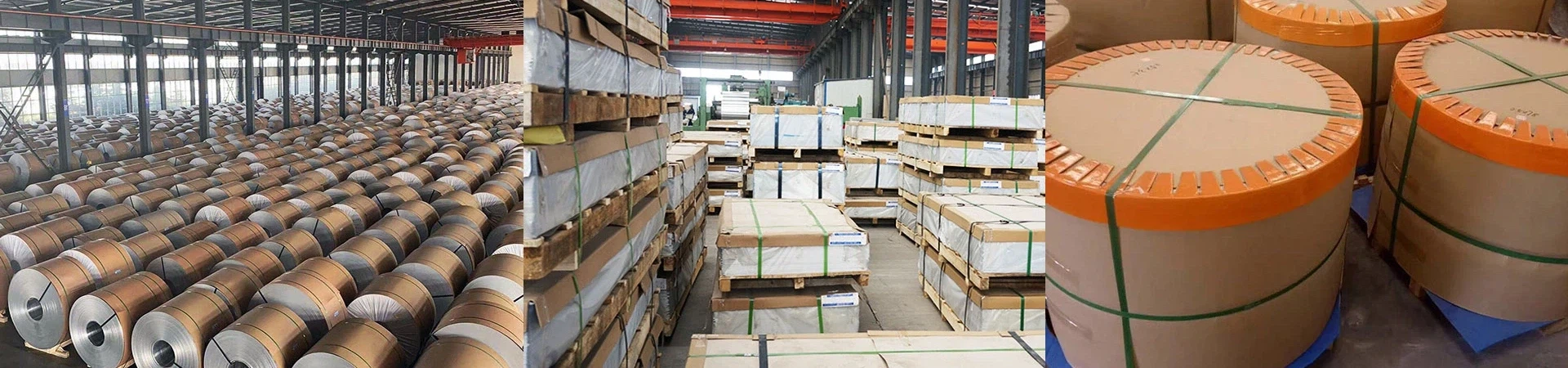
After welding, the mechanical properties and corrosion resistance of 5083 H111 aluminum plate may undergo some changes.
1. How does the mechanical properties change in the heat-affected zone after welding?
After welding 5083 H111 aluminum plate, the mechanical properties in the heat-affected zone may be affected due to the thermal cycle experienced during the welding process. This can lead to changes in hardness, tensile strength, and ductility in this region.
2. How does the corrosion resistance change after welding?
The corrosion resistance of 5083 H111 aluminum plate can be compromised in the heat-affected zone after welding. The formation of intermetallic phases and changes in the microstructure can make this region more susceptible to corrosion, especially in harsh environments.
3. What measures can be taken to mitigate the changes in mechanical properties?
To mitigate the changes in mechanical properties in the heat-affected zone after welding, post-weld heat treatment can be performed. This can help to relieve residual stresses, improve the microstructure, and restore some of the mechanical properties lost during the welding process.
4. How can the corrosion resistance be improved after welding?
To improve the corrosion resistance of 5083 H111 aluminum plate after welding, it is essential to properly clean and passivate the welded joints. Additionally, using corrosion-resistant fillers and coatings can provide an additional layer of protection against corrosion in the heat-affected zone.
5. Are there any welding techniques that can minimize the changes in mechanical properties and corrosion resistance?
Using proper welding techniques, such as controlling the heat input, maintaining a suitable welding parameter, and selecting the right filler material, can help minimize the changes in mechanical properties and corrosion resistance in the heat-affected zone after welding. Additionally, employing advanced welding processes like friction stir welding can also reduce the impact on the mechanical properties and corrosion resistance of the aluminum plate.
In conclusion, while welding can introduce changes in the mechanical properties and corrosion resistance of 5083 H111 aluminum plate, proper post-weld treatments and welding techniques can help mitigate these effects and ensure the overall integrity of the welded joints.


