Choose 1100 aluminum tread plate thickness based on your load requirement, application scenario, and sub-floor support structure. The typical thickness range is 1.0 mm to 3.0 mm for light-duty and decorative use. Because 1100 is commercially pure aluminum with low mechanical strength, if your project requires heavy load-bearing capacity, you should switch to stronger alloys like 3003 or 5052 instead of simply increasing the thickness.
When you are importing wholesale aluminum checker plates, selecting the correct thickness is critical. Ordering a plate that is too thin will cause it to bend and fail, while ordering a plate that is unnecessarily thick will waste your project budget.
Below is a complete, engineering-based guide on how to choose the right thickness for your 1100 aluminum tread plates, common mistakes buyers make, and how to select the right material for your bulk orders.
Load Requirements for 1100 Aluminum Tread Plate
The most important factor in choosing thickness is the weight the plate will need to support. Because 1100 aluminum is soft (commercially pure at ≥99.0% Al), it dents easily under heavy concentrated pressure.
Here is the recommended thickness based on different load levels:
| Load Level | Real-World Scenario | Recommended 1100 Thickness |
| Decorative / No Load | Wall panels, wainscoting, elevator interiors | 1.0 mm – 1.5 mm |
| Light Foot Traffic | Residential attics, light pedestrian walkways | 1.5 mm – 2.5 mm |
| Light Equipment | Toolboxes, hand-pushed cleaning carts | 2.5 mm – 3.0 mm |
| Heavy Load | Forklifts, industrial trucks, heavy machinery | Not suitable (Use 3003/5052) |
1100 aluminum has a yield strength of only around 35 MPa. This means that increasing the thickness of 1100 aluminum will not fundamentally solve a heavy-load problem. If you expect heavy traffic, you must change the alloy grade rather than paying for a thicker pure aluminum plate.
How is Aluminum Checker Plate Thickness Measured?
Before choosing a thickness, buyers must understand how factories measure it. This is a common area where unprofessional suppliers cheat their customers.
When you order a "2.0 mm aluminum tread plate," you expect the solid metal to be 2.0 mm thick. However, the plate has a raised anti-slip pattern (diamond or 5-bar).
- Base Thickness: The thickness of the flat part of the plate.
- Overall Thickness: The base thickness PLUS the height of the raised pattern.
How GNEE works: We strictly manufacture based on the Base Thickness. If you order a 2.0 mm plate, the flat base will be 2.0 mm, and the raised pattern will add extra height on top. Some unreliable suppliers will provide a 1.5 mm base and use the 0.5 mm pattern to claim it is 2.0 mm thick. Always confirm with your supplier that the thickness quoted is the base thickness.
The Role of Support Structure in Thickness Choice
Many buyers ignore the support structure underneath the plate. The spacing of your sub-floor frame directly dictates how thick your aluminum plate needs to be.
- With Solid Backing (Fully Supported): If you are installing the aluminum plate directly over a flat, solid concrete floor, or a thick plywood base, the aluminum does not carry the structural weight. The concrete carries it. In this case, you only need the aluminum for anti-slip protection and rust prevention. A 1.2 mm to 1.5 mm plate is perfectly fine.
- Without Support (Spanning / Open Frame): If you are installing the plate over an open steel joist frame (like a catwalk or a staircase), the aluminum must carry the weight of a person across the empty space. In this scenario, you must use at least a 2.5 mm to 3.0 mm plate. Even then, the span (distance between steel supports) must be very short because 1100 aluminum bends easily.

Thickness Guide for 1100 Aluminum Sheet
To make your purchasing decision easier, here are the exact thickness recommendations based on the most common industrial and commercial applications we see at GNEE.
Wall Panels and Decorative Cladding (1.0 mm – 2.0 mm)
When you mount an aluminum diamond plate to a wall in a commercial gym, garage, or retail store, it does not support any weight. The primary goal is a clean, industrial look and protection from light shopping carts. Thin plates (1.0 mm - 1.5 mm) are highly recommended because they are cheaper and much easier to bend around corners during installation.
Indoor Light Pedestrian Flooring (1.5 mm – 2.5 mm)
For walkways inside cleanrooms, light-duty food processing plants, or freezer rooms where only human workers walk, 1.5 mm to 2.5 mm is the standard. It provides an excellent anti-slip surface and will never rust when washed.
Outdoor Light-Duty Walkways (2.0 mm – 3.0 mm)
For outdoor ramps or pedestrian bridges, a thicker 2.5 mm or 3.0 mm plate is recommended. The extra thickness provides slight rigidity against wind and weather, while the natural oxide layer of the 1100 pure aluminum protects the metal from rainwater corrosion.
Industrial Warehouse Flooring (Not Recommended)
If your warehouse uses electric pallet jacks or heavy forklifts, do not buy 1100 aluminum. You must use 3003 aluminum plate (for medium loads) or 5052 aluminum plate (for heavy loads).
Does the Pattern Make 1100 Aluminum Tread Plate Stronger?
Many buyers ask: "Does the 5-bar or diamond pattern make the metal plate stronger and allow me to buy a thinner sheet?"
The short answer is No.
The raised patterns are created by embossing the flat aluminum with heavy steel rollers. The purpose of these patterns is strictly to increase the surface friction coefficient and improve walking safety.
While the embossing process adds a very slight amount of surface rigidity, it does not significantly increase the load-bearing capacity of the aluminum sheet. The structural strength relies entirely on the base thickness and the alloy grade. You cannot buy a 1.0 mm patterned plate and expect it to hold the same weight as a 2.0 mm flat plate. Pattern improves anti-slip safety; it does not solve structural weakness.
Common Mistake: "Can I Just Buy Thicker 1100 Instead of 5052?"
This is the most common and dangerous mistake buyers make when trying to save money on a bulk order.
Suppose a contractor needs to build a flooring platform for a small utility vehicle. They know 5052 marine-grade aluminum is strong but expensive. They ask: "Instead of buying 2.0 mm 5052 aluminum, can I just buy 5.0 mm 1100 aluminum to save money?"
Answer: NO. Thicker does not mean stronger if the metal is too soft.
As mentioned earlier, 1100 aluminum has a very low yield strength (~35 MPa). 5052 aluminum has a high yield strength (~130 MPa). If you drive a small utility vehicle over a 5.0 mm 1100 plate, the concentrated weight of the tires will still exceed the 35 MPa limit. The thick plate will dent and become permanently deformed. The 2.0 mm 5052 plate will bounce back and remain flat.
1100 vs 3003 vs 5052 Aluminum Floor Plate
To ensure you buy the exact right material for your factory or project, follow this simple material selection and thickness upgrade guide.
| Project Requirement | Best Alloy Choice | Recommended Thickness | Why Choose This? |
| Low cost, decorative, wall panels | 1100 Aluminum | 1.0 mm – 2.0 mm | Most economical, easy to bend, perfectly rust-proof. |
| General flooring, trailer sides, light carts | 3003 Aluminum | 2.0 mm – 4.0 mm | Contains manganese. Higher strength than 1100 but still cost-effective. |
| Heavy-duty load, marine decks, truck beds | 5052 Aluminum | 3.0 mm – 6.0 mm | Contains magnesium. High yield strength and true marine-grade corrosion resistance. |
Why Choose GNEE as Your Reliable Aluminum Supplier?
- Strict Thickness Tolerance: We never cheat on thickness. We use digital micrometers to guarantee that our base thickness strictly matches your contract specifications.
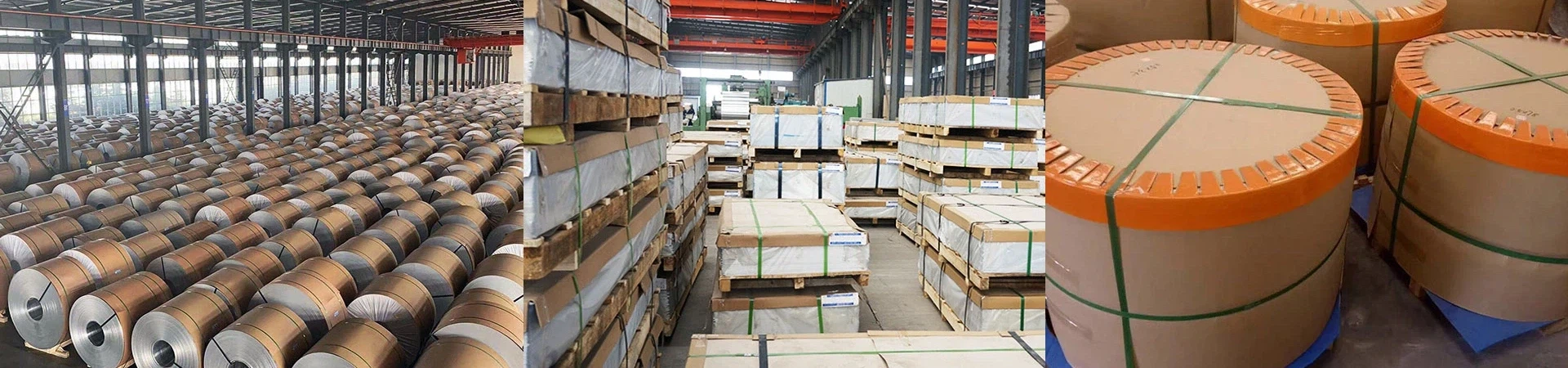
- Stable Wholesale Supply: We maintain a massive inventory of raw aluminum coils. This allows us to offer factory-direct prices and extremely fast delivery for your bulk orders.
- Customization: We have our own slitting, leveling, and cutting lines. We deliver the exact sizes you need so you don't waste time and money cutting sheets on your job site.
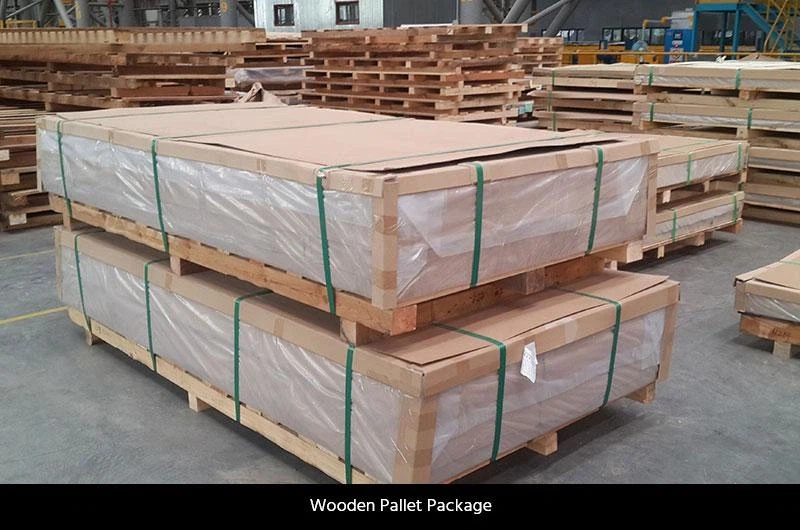
- Export-Grade Packaging: We pack all aluminum plates with waterproof kraft paper, plastic film, and heavy-duty steel bands on fumigated wooden pallets to ensure zero moisture damage during ocean shipping.