

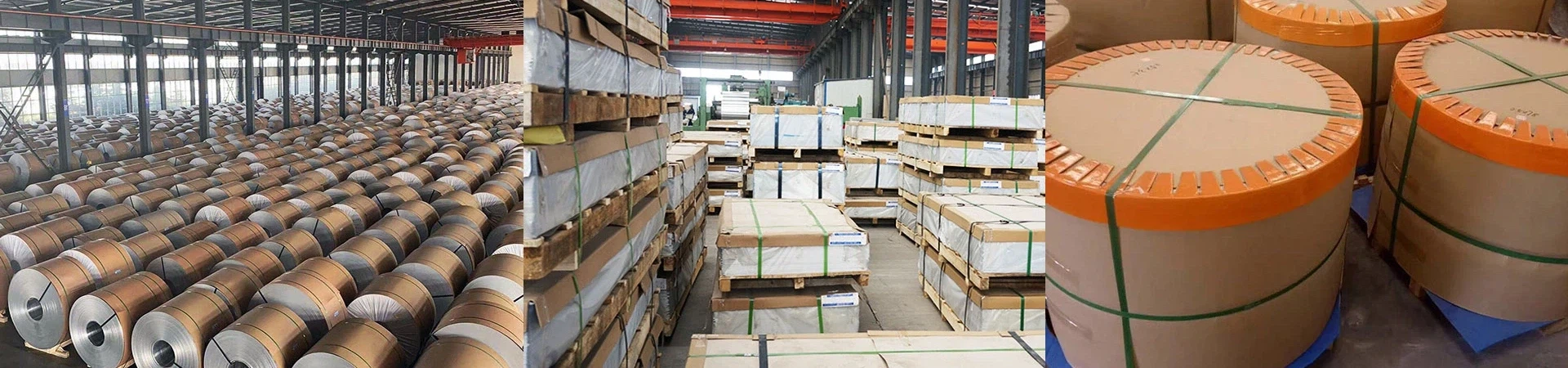
Question 1: How can we distinguish between good and bad 5052 aluminum plates?
Answer 1: The first step in determining the quality of a 5052 aluminum plate is to look for any visible defects such as scratches, dents, or uneven surface texture. A good quality plate will have a smooth and even surface without any visible imperfections.
Question 2: What are some other factors to consider when evaluating the quality of a 5052 aluminum plate?
Answer 2: Another important factor to consider is the thickness of the plate. A thicker plate is generally considered to be of higher quality and more durable. Additionally, you should also look for any signs of corrosion or discoloration, as these can indicate a lower quality product.
Question 3: Are there any specific tests that can be conducted to determine the quality of a 5052 aluminum plate?
Answer 3: One common test to determine the quality of an aluminum plate is a hardness test. This test measures the resistance of the plate to indentation and can help determine the overall strength and durability of the material.
Question 4: How can we ensure that we are purchasing a good quality 5052 aluminum plate?
Answer 4: To ensure that you are purchasing a good quality 5052 aluminum plate, it is important to buy from a reputable supplier with a track record of providing high-quality materials. Additionally, you can also request a certificate of conformity or test reports to verify the quality of the product.
Question 5: What are the benefits of using high-quality 5052 aluminum plates?
Answer 5: High-quality 5052 aluminum plates are known for their excellent corrosion resistance, high strength, and good formability. They are commonly used in a variety of applications such as automotive parts, marine hardware, and electronic enclosures. By using high-quality aluminum plates, you can ensure the longevity and performance of your products.


