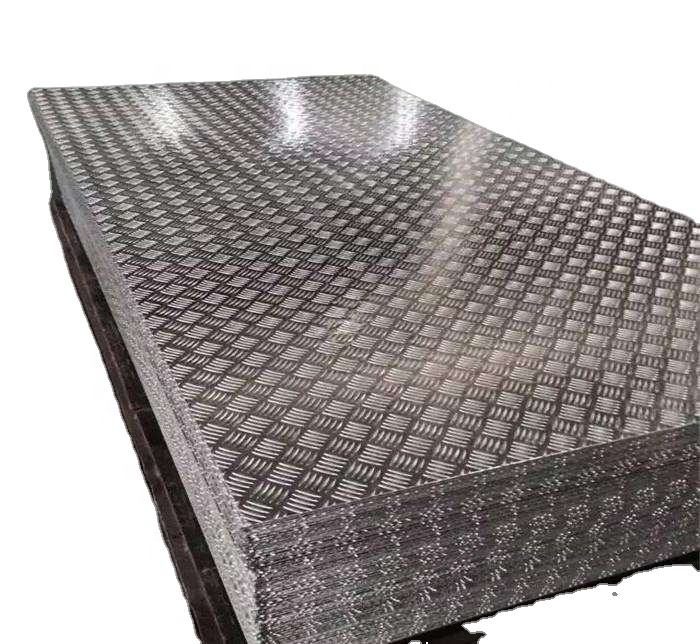
Q: Why do high-strength alloys such as 5052/6061 crack easily during bending of textured plates?
A: High-strength alloys have lower ductility, making them more prone to cracking under stress during bending.
Q: How can heat treatment improve the ductility of these alloys?
A: Heat treatment can help relieve internal stresses in the alloy, making it more uniform and less prone to cracking during bending.
Q: What are some surface treatments that can enhance the ductility of high-strength alloys?
A: Surface treatments such as shot peening or chemical etching can introduce compressive stress on the surface, improving the overall ductility of the alloy.
Q: How can the design of the bending process be modified to reduce the risk of cracking in high-strength alloys?
A: Adjusting the bending radius, preheating the material, or using multi-step bending processes can help reduce the risk of cracking in high-strength alloys.
Q: What are some other factors to consider when working with high-strength alloys to prevent cracking during bending?
A: Proper tooling selection, lubrication, and controlling the rate of deformation can also play a significant role in preventing cracking in high-strength alloys during bending processes. By carefully considering these factors and implementing appropriate treatments, the ductility and formability of high-strength alloys can be improved, reducing the risk of cracking during bending processes.