

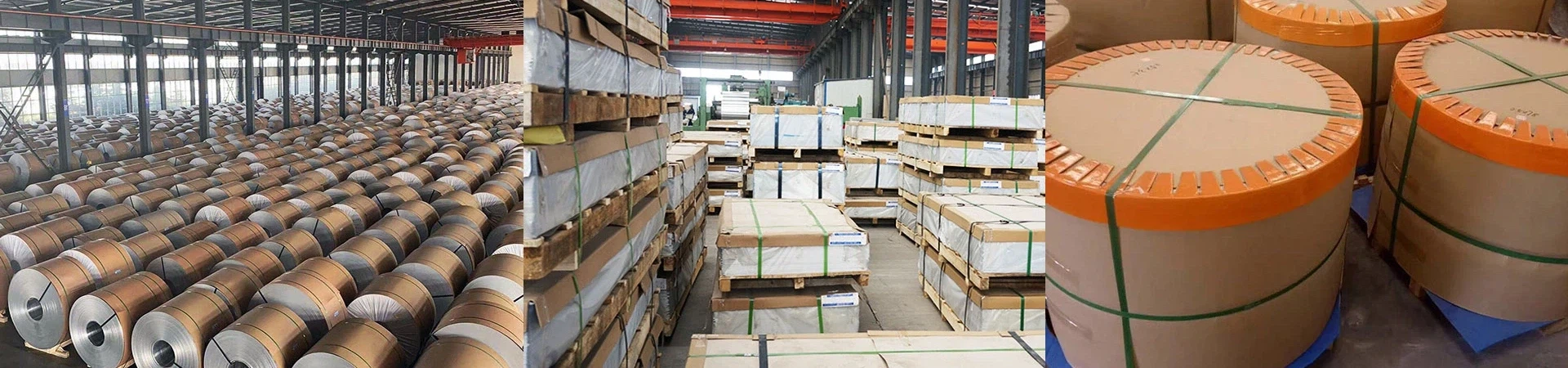
In the realm of industrial materials, aluminum stands out for its versatility, strength, and lightweight properties. Among the various aluminum alloys available, the 2014 aluminum plate has carved a niche for itself, particularly in applications demanding high strength, excellent machinability, and resistance to fatigue. This article delves into the specifics of the 2014 aluminum plate, exploring its composition, properties, applications, and why it's a preferred choice in critical sectors like aerospace, automotive, and heavy machinery manufacturing.

Composition and Properties
Chemical Composition
The 2014 aluminum alloy's chemical composition is detailed in the table below:
| Element | Percentage (%) |
| Aluminum (Al) | Base Metal |
| Copper (Cu) | 3.9 – 5.0 |
| Silicon (Si) | 0.5 – 1.2 |
| Iron (Fe) | ≤ 0.7 |
| Manganese (Mn) | 0.4 – 1.2 |
| Magnesium (Mg) | 0.2 – 0.8 |
| Chromium (Cr) | ≤ 0.1 |
| Zinc (Zn) | ≤ 0.25 |
| Titanium (Ti) | ≤ 0.15 |
Mechanical Properties
Tensile Strength: 425-495 MPa
Yield Strength: 290-360 MPa
Elongation: 10-13%
Hardness: 105-140 HB (Brinell hardness)
Heat Treatment and Temper Conditions
Different temper conditions may be achieved by heat-treating the 2014 aluminum alloy, and each one has unique mechanical qualities.
T3: Naturally aged, heat-treated, and cold-worked solution. Strength and ductility are well-balanced in this condition.
T4: Naturally aged solution that has been heat-treated. When great power is not the main necessity, it is usually utilized.
T6: Heat-treated and artificially aged solution. Strength and toughness are maximized in this state.
T7: Solution overaged and heat-treated to increase resistance to stress corrosion.

Comparison of Properties in Different Temperature Conditions
Here is a comparison of the mechanical properties of 2014 aluminum plate under different temper conditions:
| Temper | Tensile Strength (MPa) | Yield Strength (MPa) | Elongation (%) | Hardness (HB) |
| T3 | 425-460 | 290-330 | 12-15 | 105-130 |
| T4 | 400-440 | 270-310 | 14-17 | 95-120 |
| T6 | 450-495 | 350-390 | 10-13 | 120-140 |
| T7 | 390-430 | 250-290 | 15-18 | 110-130 |
Key Characteristics of 2014 Aluminum Sheet
The 2014 aluminum sheet is a high-strength aluminum alloy with the following notable characteristics:
1. High Strength: The 2014 aluminum alloy has a tensile strength of over 500 MPa, which is higher than that of the majority of aluminum alloys and makes it appropriate for uses requiring higher strength.
2. Outstanding Corrosion Resistance: The 2014 aluminum alloy exhibits remarkable corrosion resistance after treatment, even with its copper content. This is particularly relevant in industries with strict corrosion regulations, such as aerospace.
3. Good Machinability: This material may be efficiently machined after heat treatment, making it appropriate for shaping using standard mechanical procedures.
4. Outstanding Weldability: The 2014 aluminum sheet has excellent weldability, appropriate for welding procedures using aluminum alloys.
5. Excellent Formability: The material has outstanding formability while working in cold temperatures.
Why Choose 2014 Aluminum Plate?
Better Resistance to Fatigue and Strength
2014 aluminum's high copper content greatly increases its strength, making it appropriate for structural elements that are subjected to extreme stress. Notable is also its resilience to fatigue, which is important in applications where parts are subjected to cyclic stress.
Outstanding Machinability
The exceptional machinability of 2014 aluminum is one of its most notable qualities. Custom parts and prototypes benefit greatly from this feature since it enables complex designs and accurate manufacturing while lowering tool wear and production costs.
Applications of 2014 Aluminum Plate
Aircraft
Wings, fuselage pieces, and other structural elements requiring great strength and fatigue resistance are examples of airframe structures.
Forgings: Used for vital aircraft parts such as landing gear and wheels.
Automobile
Engine Blocks: Because of its superior strength and castability.
When high fatigue strength is needed, suspension components are used.
Industrial Equipment
Heavy-duty Applications: For components where strength and machinability are crucial, such as gears, fittings, and hydraulic pistons.
Comparison of 2014 Aluminum with Other Alloys
| Alloy | Tensile Strength (MPa) | Yield Strength (MPa) | Elongation (%) | Fatigue Strength (MPa) |
| 2014 | 425-495 | 290-360 | 10-13 | 130 |
| 2024 | 425-470 | 290-350 | 12-17 | 130-140 |
| 7075 | 510-570 | 430-505 | 5-11 | 160 |
Benefits Compared to Other Alloys
Machinability: Better than many aluminum alloys with high strength, such as 7075.
Strength: Better machinability but comparable to 2024.
Corrosion Resistance: It may be treated for better protection, although it is not as resistant to corrosion as certain alloys.
Restrictions
Corrosion: 2014 aluminum may corrode if improperly treated, especially in abrasive settings.
Weldability: Because of its high copper concentration, it is difficult to weld and frequently calls for specialized welding methods or filler materials.
F A Q
In comparison to other aluminum alloys, what are the benefits of 2014 aluminum plate?
The key advantage of 2014 aluminum plate over popular alloys like 1050 and 6061 is its remarkable tensile strength and better mechanical qualities, which make it ideal for applications needing great strength and endurance.
What is the 2014 aluminum sheet's weldability?
Though its higher copper content necessitates extra care during welding to ensure quality weld joints and track any subsequent changes in strength after heat treatment, the weldability of 2014 aluminum sheet is noteworthy.
How can the 2014 aluminum plate's surface quality be ensured?
By applying coatings, anodizing, spraying, and other surface treatments, 2014 aluminum plate's resistance to corrosion and visual attractiveness may be improved.
How much does a 2014 aluminum sheet cost?
The cost of 2014 aluminum sheet usually exceeds that of traditional aluminum alloys because of its high strength and higher copper content. However, its outstanding performance justifies a notable cost-effectiveness in cutting-edge industries like aerospace and aviation.
Conclusion
In industries where performance under stress is critical, the 2014 aluminum plate is a priceless material because to its exceptional strength, machinability, and fatigue resistance. Its desirability for crucial applications is increased by the fact that it may be heat-treated to further improve its qualities. 2014 Aluminum continues to be a material of choice for engineers and designers worldwide, pushing the limits of what is feasible in contemporary industrial and aerospace technologies, even if it requires cautious management with regard to corrosion.


