

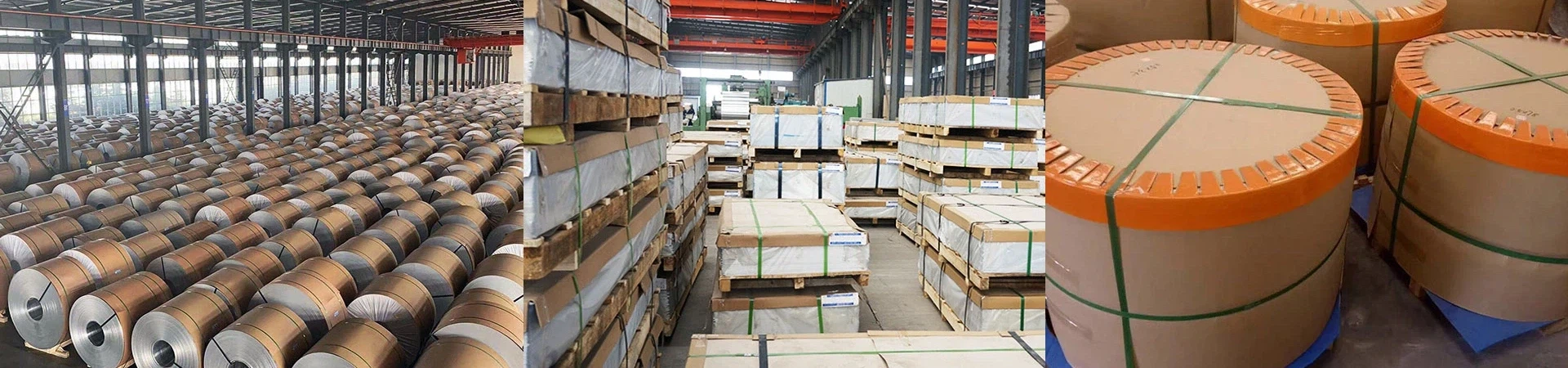
Introduction to 1050 Aluminum Plate and 5754 Aluminum Plate
Aluminum alloys play a vital role across manufacturing, construction, marine, and automotive industries thanks to their flexibility and wide-ranging performance characteristics. Among them, 1050 aluminum plate and 5754 aluminum plate are two widely used options, each designed to meet different engineering demands. Understanding how these two aluminum plates differ helps engineers, designers, and buyers make precise material choices.
Get in touch with GNEE today to explore reliable aluminum plate solutions tailored to your specific application needs.
Overview of 1050 Aluminum Plate and 5754 Aluminum Plate
Aluminum alloys 1050 and 5754 serve distinct industrial purposes despite both being aluminum-based materials. Their performance differences mainly result from alloying content and resulting mechanical behavior. Selecting between these aluminum plates requires a clear understanding of strength, formability, and corrosion resistance requirements.
1050 Aluminum Plate – High-Purity Aluminum Plate for Forming Applications
1050 aluminum plate is a commercially pure aluminum grade with a minimum aluminum content of approximately 99.5%. This high purity gives the material outstanding ductility and ease of forming.
Key features of 1050 aluminum plate:
- Excellent malleability and formability
- Easy to bend, roll, and shape
- Good resistance to atmospheric corrosion
Because of its low alloying content, 1050 aluminum plate has limited mechanical strength. It is best suited for applications where complex shapes and surface quality are more important than load-bearing performance.
Typical applications:
Cookware, decorative panels, architectural flashing, lighting reflectors, and electrical components.

5754 Aluminum Plate – Magnesium Alloyed Aluminum Plate for Strength and Durability
5754 aluminum plate belongs to the 5xxx series of aluminum-magnesium alloys. The addition of magnesium significantly improves its mechanical strength, fatigue resistance, and corrosion performance, particularly in harsh or marine environments.
Key features of 5754 aluminum plate:
- Higher strength compared to pure aluminum grades
- Excellent resistance to seawater and industrial corrosion
- Strong fatigue and wear resistance
Although it is less formable than 1050 aluminum plate, its durability makes it a preferred material for demanding structural and load-bearing uses.
Typical applications:
Marine structures, vehicle body panels, shipbuilding components, and industrial structural parts.
Comparative Analysis of 1050 Aluminum Plate vs 5754 Aluminum Plate
When comparing the two aluminum plates, clear distinctions emerge:
1050 aluminum plate excels in formability, surface finish, and cost efficiency.
5754 aluminum plate offers superior strength, fatigue resistance, and corrosion protection, especially in aggressive environments.
This contrast makes each alloy suitable for very different operational conditions.
Practical Selection Guide for 1050 Aluminum Plate and 5754 Aluminum Plate
Material selection depends heavily on project requirements:
Choose 1050 aluminum plate when high formability, ease of fabrication, and lower cost are the primary concerns.
Select 5754 aluminum plate for applications requiring higher mechanical strength, long service life, and resistance to corrosive environments.
Understanding these differences ensures optimal performance and long-term reliability.
Chemical Composition of 1050 Aluminum Plate and 5754 Aluminum Plate
The most significant compositional difference between these aluminum plates lies in magnesium content, which directly influences mechanical behavior.
Composition Overview
1050 aluminum plate:
Approximately 99.5% aluminum, with only trace amounts of magnesium, chromium, manganese, iron, and silicon.
5754 aluminum plate:
Aluminum is balanced with 2.6–3.6% magnesium, along with small additions of chromium and manganese to enhance strength and corrosion resistance.
Role of Magnesium in 5754 Aluminum Plate
Magnesium Content and Its Impact
The relatively high magnesium content in 5754 aluminum plate is the main factor that separates it from 1050 aluminum plate.
Effects of magnesium include:
- Strength improvement: Magnesium significantly increases tensile and yield strength.
- Enhanced corrosion resistance: Especially effective against seawater and industrial corrosion.
- Work-hardening capability: Allows strength enhancement through cold working while maintaining acceptable ductility.
Mechanical and Corrosion Properties Comparison of Aluminum Plates
1050 aluminum plate provides:
- Low to moderate strength
- Very high ductility
- Excellent atmospheric corrosion resistance
5754 aluminum plate offers:
- Much higher tensile and yield strength (depending on temper)
- Lower elongation but better fatigue performance
- Superior corrosion resistance in marine and chemically aggressive environments
Both aluminum plates maintain good weldability, with the 5754 aluminum plate performing especially well when proper welding techniques are applied.
Application Areas Influenced by Aluminum Plate Composition
- 1050 Aluminum Plate Applications:
Ideal for products requiring high formability, reflectivity, and corrosion resistance, such as food containers, lighting equipment, decorative elements, and electrical uses.
- 5754 Aluminum Plate Applications:
Well suited for automotive, engineering, and marine industries where strength, durability, and corrosion resistance are critical, including shipbuilding, vehicle panels, and exposed structural components.
Conclusion: Choosing the Right Aluminum Plate with GNEE
Both 1050 aluminum plate and 5754 aluminum plate deliver reliable performance when matched to the correct application. By understanding their compositional differences and mechanical behavior, engineers and buyers can make confident, cost-effective material decisions.
Contact GNEE now to receive expert guidance, competitive pricing, and high-quality aluminum plate solutions that support long-term project success.


