

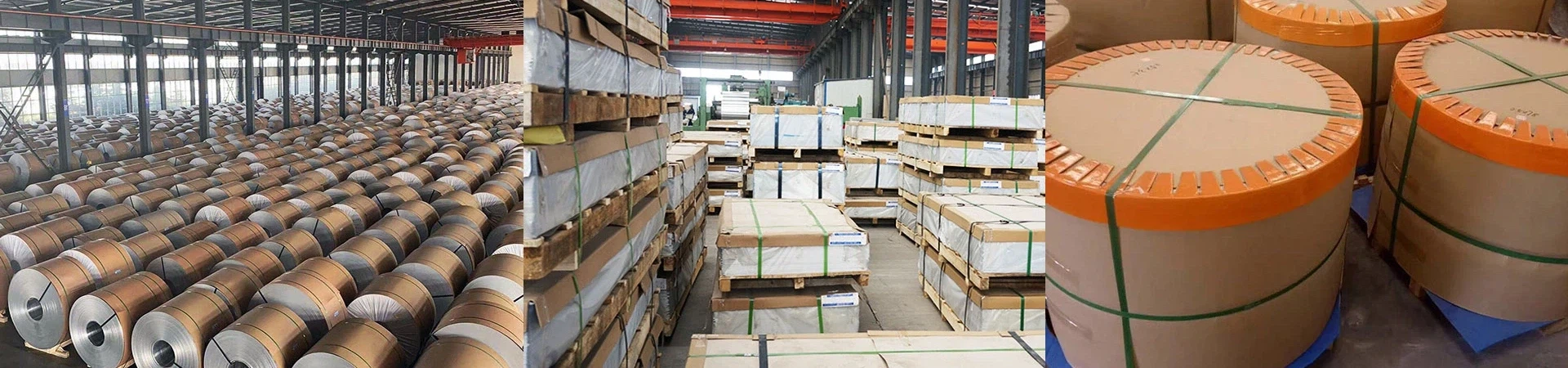
What Is 7075-T651 Aluminum Plate
7075 aluminum is one of the highest-strength aluminum alloys available, using zinc as its primary alloying element. In the T651 temper the plate is solution heat treated, stress relieved by controlled stretching, and artificially aged, delivering maximum usable strength with improved dimensional stability. Because of its excellent mechanical performance and reliable corrosion resistance, 7075-T651 plate is widely used in demanding, high-stress applications where weight must be minimized.
Chemical Composition
The composition limits are silicon 0.40 percent maximum, iron 0.50 percent maximum, copper 1.2 to 2.0 percent, manganese 0.30 percent maximum, magnesium 2.1 to 2.9 percent, chromium 0.18 to 0.28 percent, zinc 5.1 to 6.1 percent, titanium 0.20 percent maximum, others each 0.05 percent and total 0.15 percent maximum, with aluminum as balance. The high zinc and magnesium contents create the Guinier-Preston zones and fine precipitates that produce the alloy's exceptional strength.
Key Performance Characteristics
7075-T651 delivers extremely high strength, comparable in specific strength to certain steels, with good fatigue resistance. Machinability is fair, resistance welding is the preferred joining method because fusion welding substantially reduces strength, and corrosion resistance is good, particularly when protected by anodic coatings. These properties make the plate well suited for highly stressed structural components.
The T651 Temper
The T651 designation indicates solution heat treatment followed by controlled stretching to relieve internal stress, then artificial aging. The stretching step reduces quench-induced residual stress, so the plate resists warping and distortion during machining, which is essential for precision-machined aerospace blanks and tooling plates.
Applications
7075-T651 plate is used for aircraft structural components, airframe structures, and heavily loaded aircraft parts such as wing spars and bulkheads, as well as high-performance tooling and molds, defense components, and highly stressed automotive and marine hardware where steel-like strength is needed without steel's weight.
Supply and Processing
Plates are commonly supplied in thicknesses from 3 to 115 mm, per ASTM B209 and aerospace specifications such as AMS QQ-A-250/12, with precision grinding and milling available to customer dimensions. Mill test reports and full material traceability accompany each supply.
Frequently Asked Questions
Q: What is the primary alloying element of 7075?
A: Zinc, at 5.1 to 6.1 percent.
Q: What does T651 mean?
A: Solution heat treated, stress relieved by stretching, and artificially aged.
Q: Can 7075 be fusion welded?
A: It is not recommended; resistance welding is preferred because welding lowers strength.
Q: What applications use 7075-T651?
A: Aircraft structures, heavily loaded components, tooling, and defense parts.
Q: What is the tensile strength of 7075-T651?
A: In the region of 570 MPa, roughly twice that of 6061-T6.
Q: What standards apply?
A: ASTM B209 and AMS QQ-A-250/12 among aerospace specifications.
Contact us for 7075-T651 plates and machined blanks with certified composition, properties, and full traceability.


