The kitchenware and tableware industry is constantly evolving to meet the demands of modern consumers who prioritize safety, hygiene, and durability in their household products. In recent years, there has been a growing trend towards using high-quality materials such as 3003 aluminum alloy to create kitchenware and tableware that not only looks great but also performs exceptionally well in a variety of cooking and dining situations.
To shed more light on this emerging trend, we have put together a list of five questions and answers about how 3003 aluminum alloy is being used to create top-of-the-line kitchenware and tableware:
1. What are the main advantages of using 3003 aluminum alloy for kitchenware and tableware?
3003 aluminum alloy is known for its excellent corrosion resistance, making it an ideal material for kitchenware and tableware that comes into contact with various types of food and liquids. This alloy is also lightweight yet durable, making it easy to handle and resistant to bending or warping over time. Additionally, 3003 aluminum alloy is non-toxic and non-reactive, ensuring that it does not leach harmful chemicals into food or beverages.
2. How is 3003 aluminum alloy used to create high-quality kitchenware and tableware?
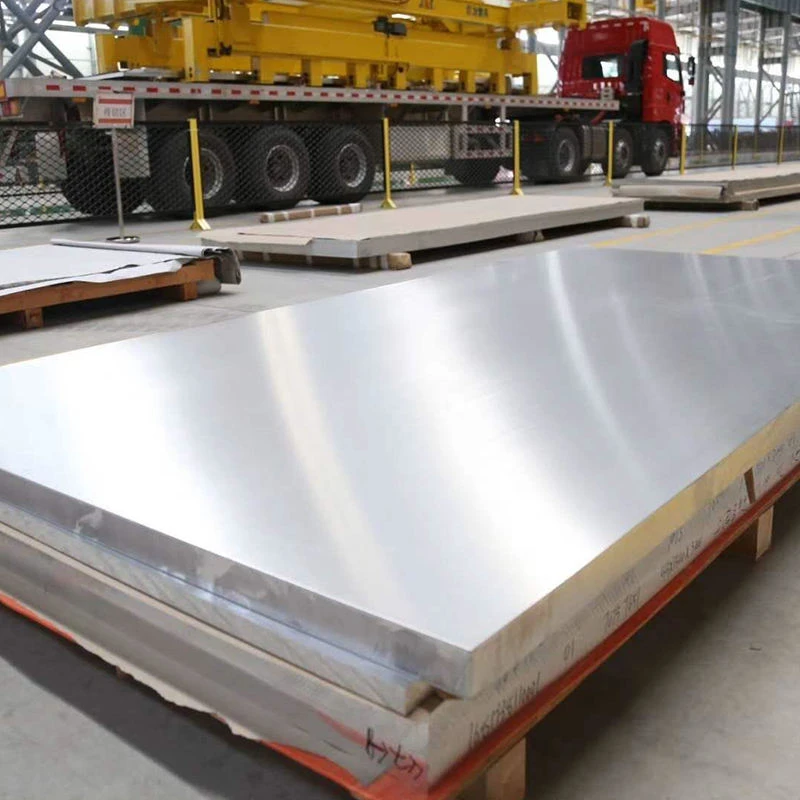
To create kitchenware and tableware from 3003 aluminum alloy, manufacturers typically start with sheets of the alloy that are then formed and shaped using various techniques such as stamping, pressing, or spinning. These processes allow for the creation of a wide range of products including pots, pans, baking trays, utensils, and serving dishes. The finished products are then often coated or anodized to enhance their appearance and improve their resistance to scratches and stains.
3. What makes 3003 aluminum alloy a safer and more hygienic choice for kitchenware and tableware?
Unlike some other materials used in kitchenware and tableware, 3003 aluminum alloy does not contain any harmful substances such as lead or cadmium that could leach into food or beverages. This makes it a safer and more hygienic choice for products that come into direct contact with food. Additionally, the non-porous nature of aluminum prevents bacteria and germs from flourishing on the surface of kitchenware and tableware made from this material, further enhancing its overall safety and hygiene.
4. How does 3003 aluminum alloy compare to other materials commonly used in kitchenware and tableware?
3003 aluminum alloy offers a number of advantages over other materials commonly used in kitchenware and tableware, such as stainless steel, cast iron, and non-stick coatings. In addition to being more lightweight and easy to handle, aluminum is a better conductor of heat, ensuring more even and efficient cooking. Furthermore, aluminum is highly resistant to corrosion and wear, making it a longer-lasting and more sustainable choice for kitchenware and tableware.
5. What should consumers look for when selecting kitchenware and tableware made from 3003 aluminum alloy?
When selecting kitchenware and tableware made from 3003 aluminum alloy, consumers should look for products that have been manufactured by reputable brands using high-quality materials and craftsmanship. It is also important to check for any coatings or finishes that may have been applied to the products to ensure that they are safe and free from harmful chemicals. Additionally, consumers should follow the manufacturer's care instructions to ensure that their kitchenware and tableware maintain their quality and performance over time.
In conclusion, the use of 3003 aluminum alloy in kitchenware and tableware offers numerous benefits in terms of safety, hygiene, and durability. By choosing products made from this high-quality material, consumers can enjoy cooking and dining with peace of mind knowing that they are using products that are designed to last and perform well in a variety of culinary situations.