


Marine aluminum alloys are engineered to perform reliably in demanding marine environments. With their outstanding seawater corrosion resistance, high strength-to-weight ratio, and excellent manufacturability, these alloys are widely used in shipbuilding, offshore structures, and marine equipment.
Marine-grade aluminum typically belongs to the 5xxx series, where magnesium is the main alloying element. The addition of magnesium not only enhances strength but also forms a dense oxide layer that provides long-term corrosion protection. Compared with metals prone to rusting, aluminum's lightweight nature significantly reduces vessel energy consumption, making it an ideal material for modern shipbuilding and marine engineering.
Marine Aluminum: 5052 vs. 5083 – Which Alloy Is Right for Your Project?
Selecting the appropriate aluminum alloy for marine use is essential to ensure performance, durability, and cost-effectiveness. Among the most widely used options, GNEE's 5052 and 5083 marine-grade aluminum alloys both offer excellent corrosion resistance, but they differ in strength, weldability, and forming characteristics.
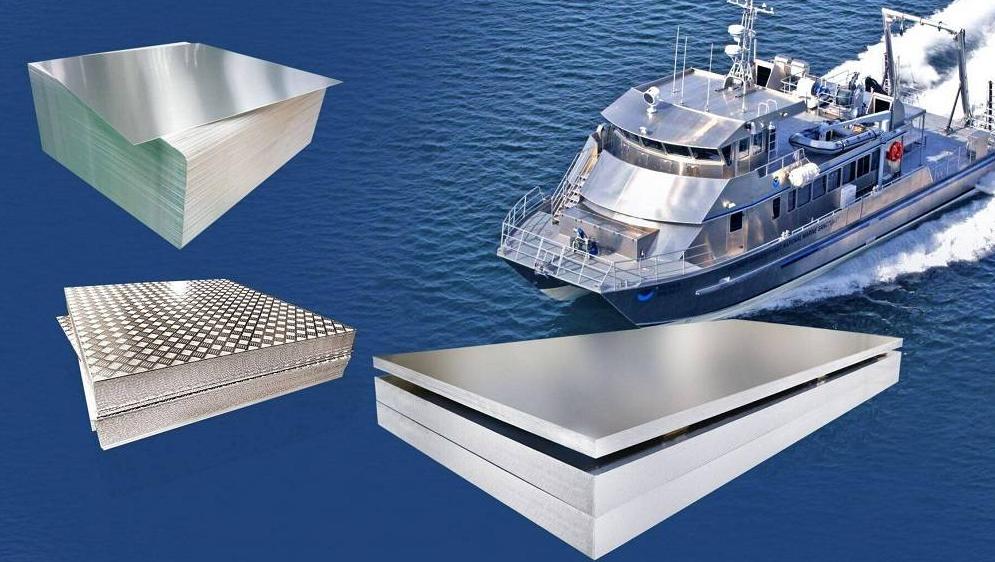
Comparison of 5052 and 5083 Marine Aluminum Alloys
Marine Grade Aluminum 5052
Alloy Type: Al-Mg (magnesium as the main element)
Strength: Moderate-suitable for lightweight structures
Corrosion Resistance: Excellent, especially against saltwater
Weldability: Very good
Formability: Highly formable and easy to bend
Marine Grade Aluminum 5083
Alloy Type: Al-Mg-Mn
Strength: Very high-ideal for structural marine applications
Corrosion Resistance: Outstanding, even under severe marine exposure
Weldability: Good, with proper welding procedures
Formability: Moderate, less flexible than 5052
Key Differences Between 5052 and 5083 Aluminum
| Property | 5052 Aluminum | 5083 Aluminum |
|---|---|---|
| Tensile Strength | 193–228 MPa (Moderate) | 270–310 MPa (Very High) |
| Corrosion Resistance | Excellent | Exceptional (ideal for seawater) |
| Weldability | Excellent | Good (requires care) |
| Formability | Superior | Moderate |
| Cost | Lower | Higher (due to enhanced performance) |
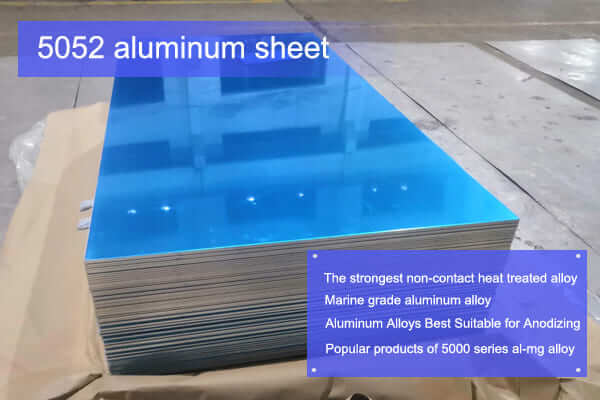
Best Applications
Use 5052 Aluminum for:
Boat hulls and decks where easy forming is essential
Marine fuel tanks and piping
Lightweight cabins and superstructures
Marine decorative and sheet metal components
Use 5083 Aluminum for:
Shipbuilding and offshore platforms (load-bearing structures)
High-performance boat hulls (military or commercial)
Structural frames and reinforcements
Subsea equipment needing maximum corrosion protection
Which Marine Aluminum Should You Choose?
Choose 5052 if you need a cost-effective, easily formable alloy for lightweight marine structures.
Choose 5083 if your project demands superior strength and corrosion resistance in harsh marine environments.
For small boats, fittings, and general fabrication, 5052 aluminum from GNEE (a Chinese supplier) provides excellent performance and value. For commercial ships, naval vessels, and offshore engineering projects, GNEE's 5083 aluminum delivers exceptional durability and long-term resistance to seawater corrosion.


