

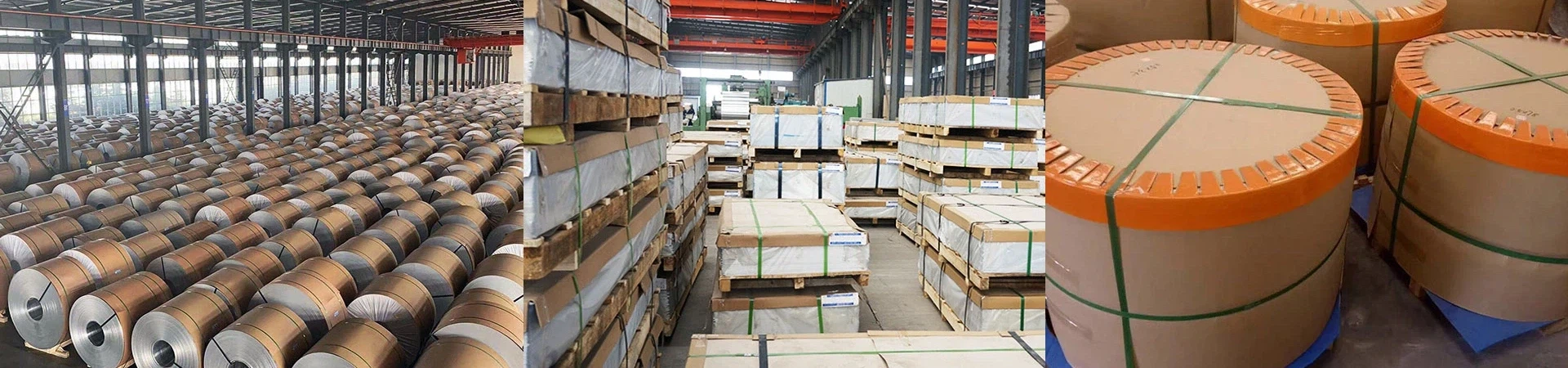
In the fast-paced scrap recycling market, aluminum has long occupied an important position with its superior properties such as lightness, corrosion resistance, and high thermal conductivity.
1. The unique charm of aluminum
Aluminum has become an indispensable material for industry, construction, and electronic products due to its low density and high strength. The latest industry data shows that the recycling rate of aluminum has exceeded 85%, which not only effectively reduces production costs, but also contributes to environmental protection. It is these advantages that make recycled aluminum extremely valuable in the scrap market.
2. Common aluminum types and application areas
1. Aluminum plates are widely used in home appliance housings, auto parts, and architectural decoration. When recycling aluminum plates of different thicknesses, the classification standards are strict, which is directly related to the quality and price of recycled resources.
2. Products such as aluminum bars and aluminum tubes usually play a key role in mechanical manufacturing and aerospace. Their stable physical properties make scrap aluminum bars and aluminum tubes very popular in the recycling market. Many recyclers have reported that the recycling ratio of aluminum tubes has steadily increased in recent years.
3. Aluminum profiles Aluminum profiles formed by extrusion have various shapes and are widely used in doors, windows, curtain walls and industrial equipment. According to industry statistics, aluminum profiles account for nearly 40% of the total recycling volume, and their complex surface treatment process places higher requirements on the recycling process.
4. Aluminum alloy grades and recycling value Aluminum alloys of different grades perform differently in recycling. For example: 1100 series: known for its high purity and good formability, commonly used in thin and light products. 5052 and 6061 series: have good corrosion resistance and mechanical strength, and are popular choices for manufacturing structural parts. 7075 series: Despite its outstanding strength, due to its low corrosion resistance, special attention should be paid to the processing process during recycling. Each grade not only determines the use of the product, but also directly affects the economic value and processing difficulty of waste recycling. Professional recycling masters often adopt different sorting and pretreatment strategies according to the characteristics of the material to ensure the quality and market competitiveness of recycled aluminum.
3. The impact of surface technology on recycling
Anodizing, electrophoretic painting, sandblasting and wire drawing processes improve the appearance and durability of products, but also increase the difficulty of handling waste during recycling. There are many cases in the industry where the residual adhesion layer has been successfully reduced by improving pretreatment technology, which not only improves recycling efficiency, but also brings more high-quality raw materials to the recycling industry.


