

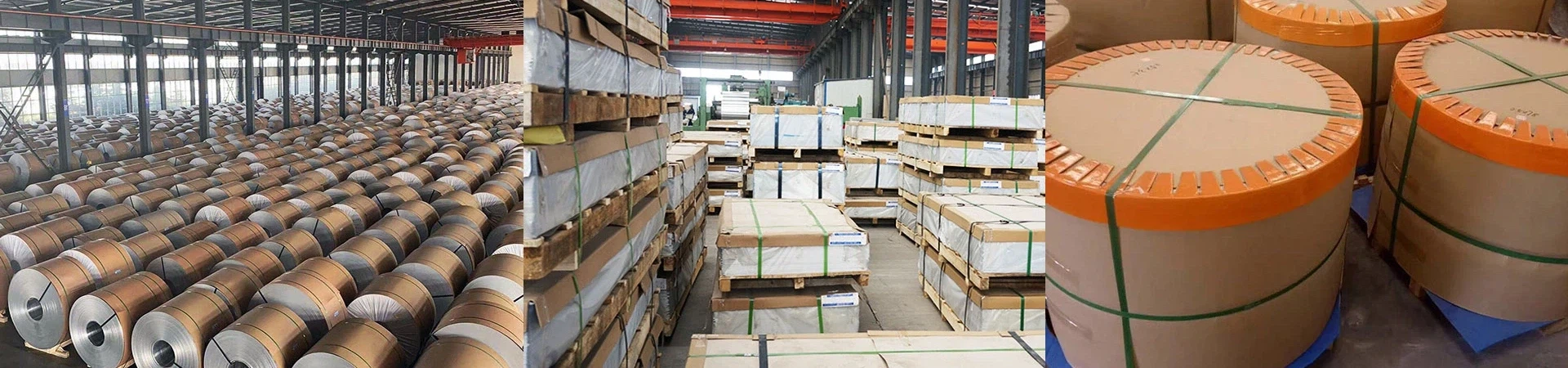
When welding GNEE 6061-T651 aluminum plates, careful attention is required to ensure quality and performance. Key factors include thorough cleaning to remove oxides and contaminants, selecting the proper filler metal, controlling heat input to minimize distortion, using the correct shielding gas, and considering pre- or post-weld heat treatments. TIG or Friction Stir Welding (FSW) are generally preferred for optimal results.

Surface Preparation & Cleaning
Oxide Removal: Aluminum forms a resilient oxide layer that must be eliminated using a stainless steel brush or grinder before welding.
Degreasing: Remove oils, grease, and fingerprints with acetone or non-chlorinated solvents to avoid porosity issues.
Filler Metal Selection
4043: Suitable for general-purpose applications, offering excellent fluidity and crack resistance, though it may darken after anodizing.
5356: Ideal when color matching after anodizing is important (bright silver) and for higher strength/fatigue resistance, but it is more susceptible to hot cracking.
Heat Management & Control
Heat Input: Proper control is critical to prevent warping, distortion, and loss of temper.
Preheating: Thicker sections (150–200°C) may require preheating to reduce cracking.
Post-Weld Heat Treatment (PWHT): Solution treatment (e.g., 415°C for 2 hours) can restore some strength, depending on the application.
Welding Process & Parameters
TIG Welding: Recommended for precision and structural components.
MIG Welding: Suitable for thicker sections due to faster deposition rates.
Shielding Gas: Use 100% argon for thin materials; adding helium improves penetration and heat transfer for thicker sections.
Application-Specific Considerations
Corrosion Resistance: GNEE 6061-T651 has good corrosion resistance, but filler selection is important for harsh environments.
Aesthetics: Use 5356 for welds that need to match the base metal color after anodizing.
Safety
Always wear proper eye protection due to the high reflectivity of aluminum.
Ensure adequate ventilation, particularly when using gas blends that can generate ozone.
This approach ensures strong, durable, and visually consistent welds when working with GNEE 6061-T651 aluminum plates.


