Handling 3003 aluminium coil safely is mostly about physics rather than chemistry. The alloy itself is benign, non-toxic and stable, but a coil of it is a heavy, tightly wound spring with sharp edges and stored energy in the bands that hold it. Most incidents in coil stores and slitting lines come from lifting, unwinding, edge contact and poor storage rather than from the metal being aluminium.
This guide sets out the practical controls for coil handling, lifting, storage, cutting and housekeeping, together with the protective equipment and training that keep a light gauge line running without injury.
Why the Coil, Not the Alloy, Drives the Risk
Coil is supplied in weights that range from a few hundred kilograms to several tonnes, wound under tension and held by steel strapping. The consequences of a dropped coil, a snapped band or a coil that telescopes on the floor are severe, and they multiply when aisles are narrow and stacked coils share the space with forklift traffic. A risk assessment for the coil store should therefore treat lifting, stacking and pedestrian segregation as the primary hazards, and treat the material as an additional factor rather than the main one.
Edge, Burr and Spring Back Hazards
Slit and sheared aluminium produces a burr that will cut through a leather glove and through skin. The edge of a coil lap is the most common cause of lacerations in a slitting line, particularly during threading and during rewinding, when the operator's hands are close to the moving strip.
Wear cut resistant gloves whenever the strip edge is handled, and remove them before working near rotating shafts.
Never place hands between the laps of a coil or inside an open coil eye.
Use a strip threader or a leader strip rather than pulling the strip by hand.
Expect spring back: aluminium strip with residual tension will lift and roll when the bands are cut, so open coils inside a controlled area and away from face and body.
Lifting, Rigging and Storage
The bands that hold a coil should never be used as lifting points. Their job is to keep the coil wound, and they are not rated slings. Correct practice is to lift on the coil eye with a purpose built C-hook with a locking gate, or to carry the coil on a pallet or cradle, and to confirm the rated capacity of every item of lifting equipment before use. A spreader beam or a lifting boom keeps the mast clear of the coil and prevents point loading on the wrap.
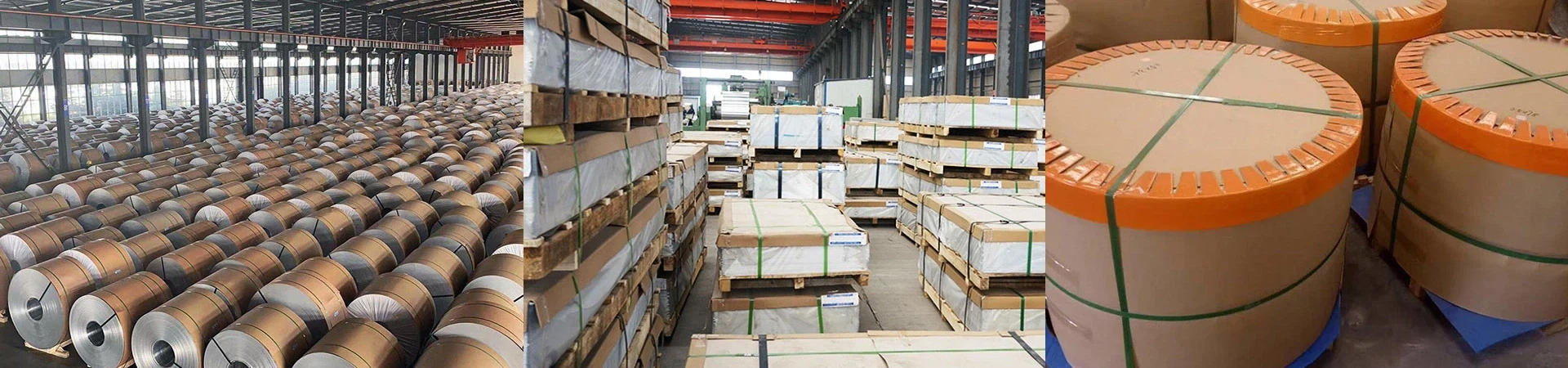
Storage should be dry and well drained, with coils on timber or rubber saddles and with eye to eye or eye to sky orientation as specified for the product. Eye to sky stacking, in which the coil sits on its edge with the axis vertical, is the normal warehouse arrangement because it prevents rolling and makes the eye accessible to a C-hook. Stacked coils need chocks or a rack that stops the bottom coil moving, and aisle widths must allow the load to be carried without swinging into pedestrians or racking.
Cutting, Slitting and Combustible Dust
Aluminium is not a flammable metal in the way many people imagine, but finely divided aluminium dust produced by grinding, sawing and abrasive cutting is combustible, and a layer of it on a beam or in a duct can create a serious secondary explosion risk. Guidance for combustible metal dust applies to aluminium processing areas, and the practical controls are straightforward.
Use dust extraction at the point of cutting and grinding rather than relying on general ventilation.
Avoid allowing fine dust to accumulate on beams, ledges and cable trays, and clean with methods that do not raise a cloud.
Never apply water to a burning aluminium dust pile, because the reaction can intensify the fire.
Keep a suitable extinguishing medium for metal fires available in the cutting area and make sure the team knows which medium to use.
Cutting with a saw or shear generates noise as well as swarf, and the slitting line itself is a high noise environment, so hearing protection is normally mandatory inside the line enclosure.
Personal Protective Equipment
The equipment required depends on the task, and a single fixed kit is rarely right for a whole plant. For general coil handling, cut resistant gloves, safety glasses, safety footwear with a protective toe cap and a high visibility vest are the baseline. Slitting, shearing and sawing call for a face shield in addition to glasses, hearing protection and, where lubricants are used, an apron that keeps oil off clothing. Loose sleeves, jewellery and dangling lanyards should be excluded from the line area, and gloves must be removed before any task that could draw the hand into a nip point.
Housekeeping, Training and Emergency Response
Good housekeeping prevents more injuries than any item of equipment. Keep aisles clear, store banding and scrap in designated bins, remove offcuts from walkways immediately and never store a coil in a position where it can roll. Operators should be trained and assessed on lifting equipment, on threading and rewinding procedures and on the isolation and lock out steps needed before clearing a jam.
Emergency arrangements should cover two scenarios above all others: a person trapped by a falling or rolling coil, and a metal dust fire. Rescue equipment, a means of raising an alarm and a clear evacuation route belong in the risk assessment, and drills should be run with the same seriousness as for any other industrial hazard.
Frequently Asked Questions
Q: Is aluminium coil dangerous to handle?
The metal is benign, but the coil stores energy and has sharp edges, so the hazards are lifting, spring back, cutting and crushing rather than chemical exposure.
Q: Can the steel bands on a coil be used as lifting points?
No. They are not rated slings. Lift on the coil eye with a suitable C-hook or carry the coil on a cradle or pallet.
Q: Why should coils be stored eye to sky?
Standing a coil on its edge with the axis vertical stops it rolling and exposes the eye so that a C-hook can pick it safely.
Q: Is aluminium dust explosive?
Fine dust from grinding, sawing and abrasive cutting is combustible. Extract it at source, keep surfaces clear and never use water on a burning metal dust pile.
Q: What protective equipment is needed?
Cut resistant gloves, safety glasses or a face shield, safety footwear and hearing protection in cutting and slitting areas. Gloves come off near nip points.
Q: Does 3003 coil need special maintenance?
No. Normal storage in a dry area with regular cleaning is enough. The oxide film is stable, so no protective treatment is required for the metal itself.