

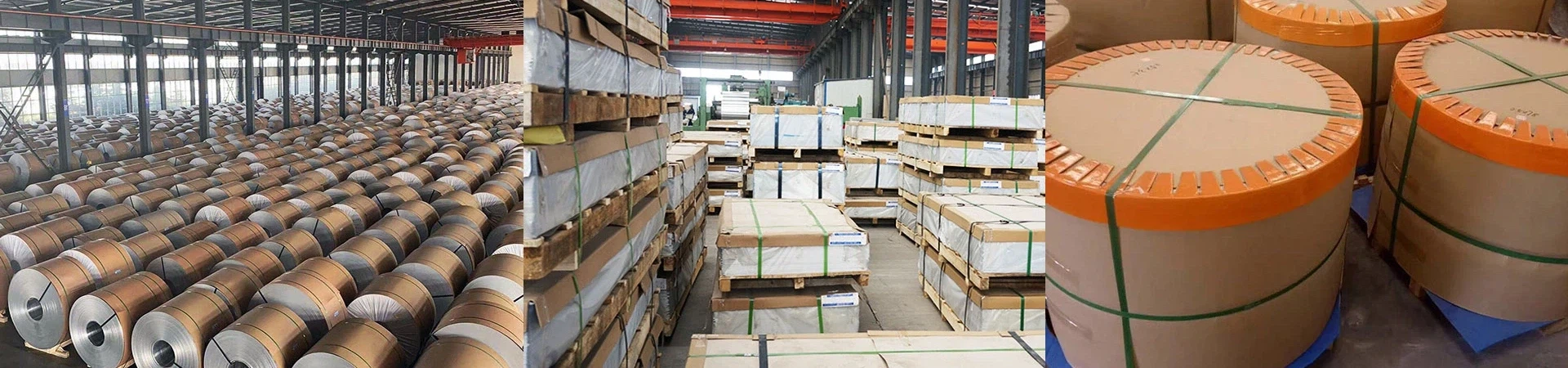
The aluminum foil we see on the market today is no longer made of tin as it is more expensive and less durable than aluminum.
The original tinfoil (also called tinfoil) was really made of tin. It was softer than aluminum foil and would have a tin smell when wrapping food. At the same time, tinfoil cannot be heated because of its low melting point, or the heating temperature is high - such as 160°C. It begins to become brittle when the temperature is above ℃ - thus limiting its use in food packaging. If grilled food is required, tin foil cannot be used when baking food. Since the emergence of aluminum foil, because of its high melting point, it begins to melt when heated to above 660°C. It can be used for ordinary barbecued foods, baked foods, and even traditional beggar's chickens are wrapped and baked with aluminum foil. It is clean and hygienic while maintaining the Original flavor. Therefore, after the price of aluminum fell later, aluminum foil replaced tinfoil in daily life.

Therefore, the term tin foil (tinfoil) now refers to aluminum foil in many areas. The terms tin foil, tin foil, and aluminum foil all refer to the same product, but people used to call it tin foil paper in the past.
Many friends are not sure what the difference is between tinfoil and aluminum foil, and how to identify and choose.
1. Different properties: Aluminum foil paper is processed by metal aluminum or aluminum alloy rolling equipment, with a thickness of less than 0.025mm. Tinfoil is made of metal tin through rolling equipment.
2. Different melting points: the melting point of aluminum box paper is 660℃ and the boiling point is 2327℃. Appearance is silver-white metal, malleable. In humid air, an oxide film can be formed to prevent metal corrosion. The melting point of tin foil is 231.89°C and the boiling point is 2260°C.
3. Different resistance: Aluminum foil paper will be corroded in a humid environment and looks like a metal oxide film, while tin foil has good corrosion resistance.

4. Different appearance characteristics: tin foil is much brighter than aluminum foil, but tin has poor ductility and breaks when pulled. Aluminum foil is relatively stiff and easy to cut. It is often packaged in rolls and is cheaper. It is now gradually becoming the mainstream in the market.
5. Aluminum foil looks silvery white from the outside, while tinfoil looks a little blue, and one side of the tinfoil is smooth and matte. Because matte doesn't reflect much light and absorbs a lot of heat, so Usually we use the matte side to wrap food, which can extend the heat preservation time.


