


Aluminium roofing sheets are a popular choice for both residential and commercial buildings around the world. These roofing materials are known for their durability, lightweight design, and great corrosion resistance, making them a long-lasting and aesthetically pleasing option. Understanding the different varieties of aluminum roofing sheets is essential for making the best decision for your construction project.
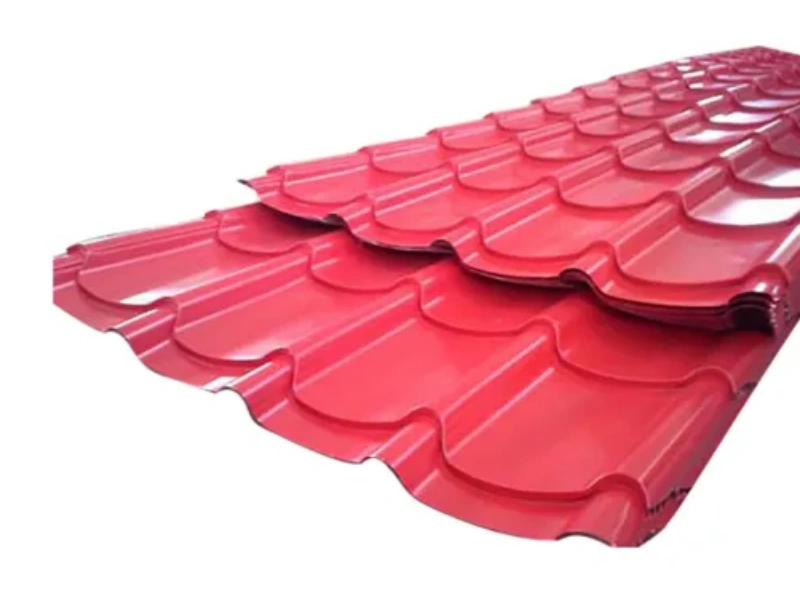
Specifications of Our Checkered Aluminum Plate
| Specification | Details |
|---|---|
| Alloy Grades | 1060, 3003, 5052, 5754, 6061 |
| Temper | H14, H22, H24, H32, T6 |
| Pattern Types | Diamond, 5-bar, 2-bar, lentil, orange peel |
| Thickness | 1.0 mm – 6.0 mm |
| Width | 500 mm – 1500 mm |
| Length | Up to 6000 mm or as per request |
| Surface Finish | Mill finish, bright, anodized |
| Packaging | PE film + waterproof paper + pallet |
Customized sizes, shapes, and surface treatments are available.
Thickness Options
| Gauge | mm | Best For |
|---|---|---|
| 29 | 0.35 | Lightweight temporary structures |
| 26 | 0.45 | Residential roofing |
| 24 | 0.55 | Commercial buildings |
| 22 | 0.70 | Industrial/high-wind areas |
Common Alloys
| Alloy | Properties | Applications |
|---|---|---|
| 1050 | Excellent formability | Budget projects |
| 3003 | Good strength/weather resistance | Most roofing |
| 5052 | Superior corrosion resistance | Coastal areas |
| 6061 | Structural strength | Special applications |

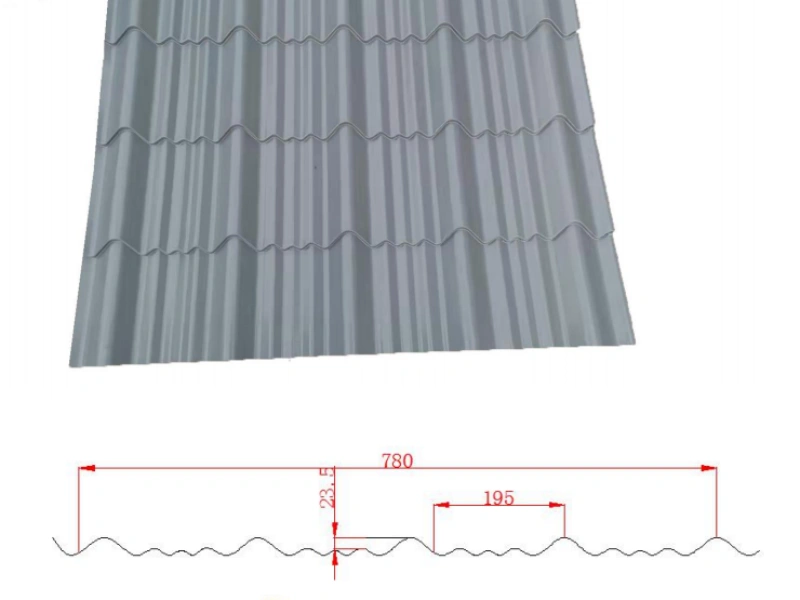
Thickness Matters: Understanding Aluminium Roofing Sheet Gauge
The thickness of an aluminum roofing sheet is an important aspect in determining its strength, longevity, and cost. A thicker sheet, measured in millimeters (mm) or gauge, is typically stronger and sturdier. Aluminium roofing sheets typically range in thickness from 0.5mm to 1.2mm. Thicker sheets (e.g., 0.7mm or 1.0mm) provide superior impact resistance, load-bearing capability, and sound insulation, making them appropriate for extreme weather conditions or locations that require extra lifespan. Your aluminium roofing sheet will last longer if it is the appropriate thickness.
Alloy Choices for Durable Aluminium Roofing
The precise aluminum alloy chosen has a considerable impact on the performance of aluminium roofing sheets. Aluminium is rarely used in its pure form for roofing; instead, it is mixed with other elements to create alloys with improved qualities. Common aluminium alloys used for roofing are
3003 Alloy: Because of its great workability, strength, and corrosion resistance, this alloy is one of the most commonly utilized for aluminum roofing sheets. It is a manganese alloy that is well-known for its ease of formation and lack of breaking.
3004 Alloy: Similar to 3003, but with somewhat higher strength, 3004 is also used for aluminum roofing sheets, particularly in situations that require a little more rigidity.
5052 Alloy: A magnesium alloy, 5052 has stronger corrosion resistance, particularly in marine conditions, and more strength than the 3000 series alloys. This makes it a great choice for aluminum roofing sheets in coastal areas or industrial areas with corrosive conditions.
Choosing the proper alloy ensures your aluminium roofing sheet provides the best performance for your unique area.
What are the different types of Aluminium roofing sheets?
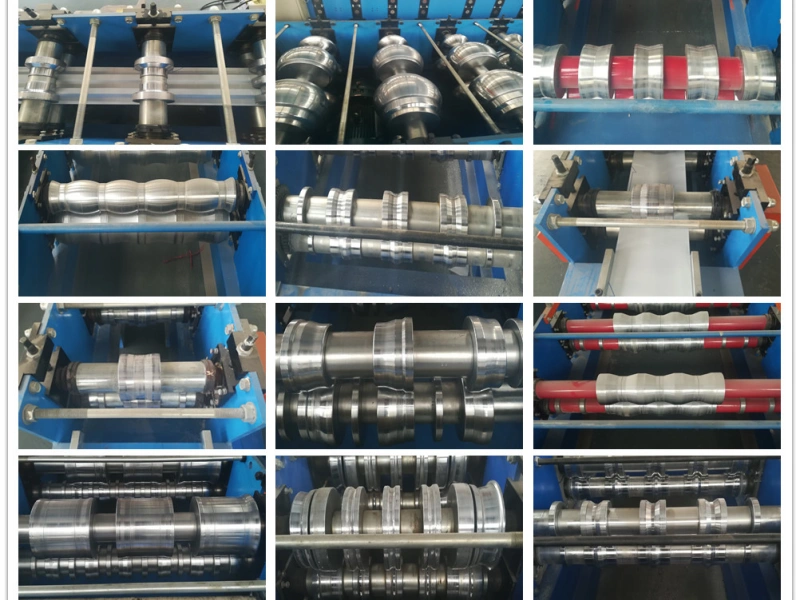
When choosing aluminum roofing sheets, the profile or shape is a major factor that influences both aesthetics and performance. Here are the most frequent "types of aluminium roofing sheets" depending on their profile:
Corrugated Aluminium Roofing Sheets: These are possibly the most well-known varieties of aluminum roofing sheets, with a distinctive wave design. The corrugations enhance strength and rigidity, making them ideal for water removal and suited for a wide range of uses, from agricultural buildings to residential sheds.
Trapezoidal (Box design) Aluminium Roofing Sheets: With their angular, strong design, trapezoidal sheets provide greater strength and span than corrugated sheets. Their prominent lines lend a modern appearance, making them a popular "type of aluminium roofing sheet" for industrial, commercial, and even contemporary residential buildings.
Standing Seam Aluminium Roof Sheets: These sheets have elevated seams where adjacent panels meet, resulting in a sleek, continuous surface with concealed fasteners. Standing seam is a premium "type of aluminium roofing sheet" that is frequently used for high-end architectural projects due to its superior weather resistance and elegant beauty.
Ribbed aluminium roofing sheets are similar to trapezoidal sheets but have more obvious and generally fewer ribs, providing good strength and a distinct visual appeal. They are frequently utilized in situations when structural soundness and a specific appearance are sought.
Each "type of aluminium roofing sheet" provides distinct advantages in terms of strength, attractiveness, and simplicity of installation.
What are the disadvantages of Aluminium roofing sheets?
While aluminum roofing sheets have many advantages, it's also necessary to note their potential drawbacks:
Aluminum roofing sheets may have a greater initial cost than other conventional roofing materials such as asphalt shingles or some steel choices. However, their long lifespan and low maintenance requirements frequently result in a reduced lifetime cost.
Aluminum roofing sheets, while strong, are more prone to denting from significant impacts, such as huge hailstones or falling trees, than other harder metals. The severity varies depending on the thickness of the sheet and the metal used.
Noise: Aluminum roofing sheets can make more noise than conventional roofing materials during heavy rain or hail. This is usually minimized by using proper insulation and underlayment during installation.
Thermal Expansion: Aluminum expands and contracts more than other metals in response to temperature variations. Proper installation techniques must account for thermal movement to avoid buckling or damage to the aluminum roofing sheet.
What type of aluminum is used for roofing?
As previously stated, the aluminum used for roofing is often in the form of a specific alloy. The 3000 series (such as 3003 and 3004) and 5000 series (such as 5052) are the most popular and favored types of aluminum alloys for roofing. These alloys are chosen for their outstanding balance of characteristics, which are vital for roofing applications.
Corrosion Resistance: Aluminium naturally creates a protective oxide coating, making it very resistant to rust and corrosion, which is especially crucial for long-term outdoor use.
Formability: These alloys may be easily molded and formed into various roofing profiles without breaking, which is critical for producing various types of aluminum roofing sheets.
Aluminium roofing sheets have a high strength-to-weight ratio, which means they are robust enough to sustain loads while remaining lightweight enough to decrease structural requirements and facilitate installation.
Weldability: While less important for roll-formed sheets, some installations may necessitate welding, and these alloys are often weldable.
These precise forms of aluminum alloys ensure that the roofing sheets are long-lasting, lightweight, and resistant to a wide range of weather conditions.
What are the different types of corrugated metal roofing sheets?
While this article focuses on aluminum roofing sheets, it's important to grasp the larger category of corrugated metal roofing sheets. Corrugated profiles are common in a variety of metals, but corrugated aluminium roofing sheets stand out due to aluminum's inherent advantages. The size and shape of the waves distinguishes several types of corrugated metal roofing sheets.
Standard Corrugated: The design is traditional and flexible, with consistent, rounded waves.
Wide corrugated: Larger waves provide a bolder appearance and potentially higher strength.
Mini Corrugated: Smaller, tighter waves, commonly used for aesthetic purposes or smaller constructions such as sheds.
Sine Wave Corrugated: A smoother, more continuous wave pattern than typical corrugated.
When it comes to corrugated metal roofing sheets, corrugated aluminum roofing sheets stand out due to their outstanding corrosion resistance and lightweight nature, making them an excellent choice for a wide range of projects.
Applications of Aluminium Roofing Sheets
Aluminium roofing sheets are excellent for a wide range of applications due to their versatility and durability.
Warehouses, manufacturers, and office buildings benefit from their resilience and long lifespan.
Residential Homes: Aluminum roofing sheets are used in modern homes, additions, garages, and carports because they have a contemporary appearance and are low maintenance.
Agricultural Structures: Aluminum is commonly used to roof barns, sheds, and animal shelters due to its corrosion resistance and ease of installation.
Coastal Regions: Because of their greater corrosion resistance, certain varieties of aluminum roofing sheet (particularly those made with 5xxx series alloys) are suited for saltwater settings.
Aluminum is commonly used in public buildings such as schools, hospitals, and community centers due to its durability and performance.


