

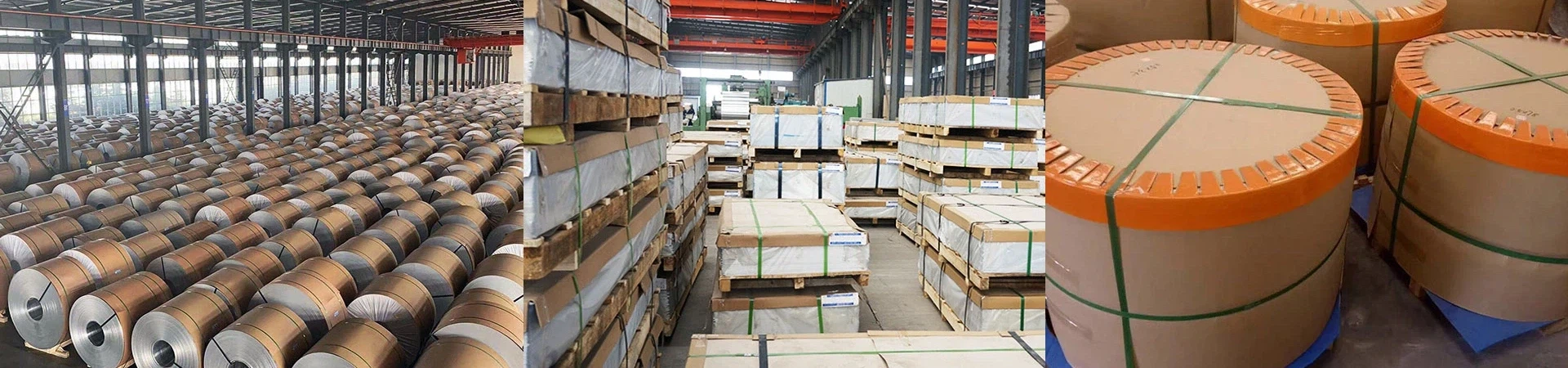
Advantages and Disadvantages of Aluminum Veneer Compared with Traditional Curtain Wall Materials (Glass, Stone, etc.)
When compared with traditional curtain wall materials such as glass and stone, aluminum veneer offers the following strengths and limitations:
Advantages
Lightweight
Aluminum veneer is a lightweight material, typically weighing around 8 kg per square meter for a 3.0 mm thick panel. Compared with stone curtain walls, it significantly reduces the structural load on buildings. This is especially beneficial for high-rise curtain wall applications, as it allows greater flexibility in structural design, lowers foundation costs, and reduces construction difficulty.
Its low weight also makes transportation and installation more efficient, reducing labor requirements and overall installation and logistics costs.
Excellent Durability and Corrosion Resistance
Aluminum veneer surfaces are usually pretreated through processes such as chromizing and then finished with fluorocarbon spraying or similar coatings. This provides outstanding resistance to corrosion, enabling the panels to withstand acid rain, salt spray, air pollutants, and ultraviolet radiation. Even in harsh climates or polluted environments, aluminum veneer maintains good appearance and performance over a long service life, helping to reduce long-term maintenance and replacement costs.
Compared with glass curtain walls, aluminum veneer is less susceptible to abrasion from wind-blown sand and dust, and its surface is less likely to develop scratches or wear, maintaining good flatness and gloss over time.
Superior Processing Performance
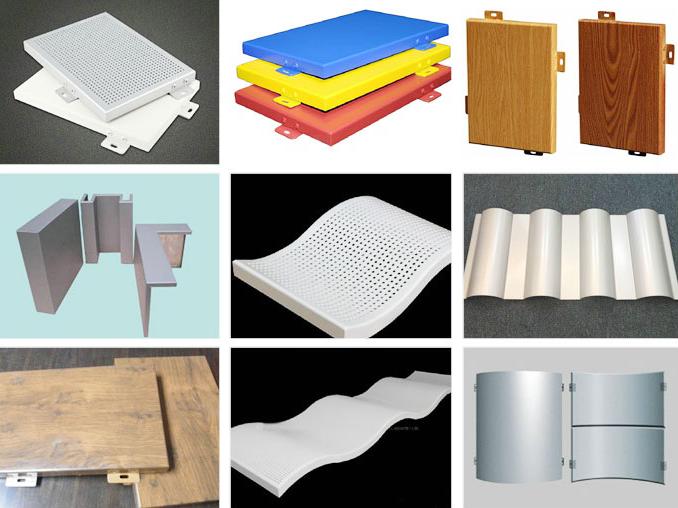
Aluminum veneer can be easily fabricated into flat, curved, spherical, and other complex geometric forms according to design requirements. This provides architects and designers with greater creative freedom and supports a wide range of architectural styles and façade designs.
In addition, aluminum veneer offers high processing accuracy and dimensional stability, ensuring precise installation and consistent curtain wall quality.
Rich Colors and Decorative Appeal
Through advanced electrostatic spraying technology, coatings are evenly applied to aluminum veneer surfaces, offering a wide selection of colors and finishes. Designers can choose different colors and textures to match architectural styles and owner preferences, achieving highly personalized and artistic building façades.
Compared with traditional stone curtain walls, aluminum veneer colors are more vibrant, long-lasting, and resistant to fading or discoloration, ensuring excellent long-term decorative performance.
Good Fire Resistance
Aluminum veneer is a non-combustible material with strong fire-resistant properties. It meets building fire safety requirements for curtain wall systems and can effectively slow fire spread in the event of a fire, providing valuable time for evacuation and firefighting operations.
Recyclability and Environmental Benefits
Aluminum veneer has high recycling value. At the end of its service life, it can be recycled and reprocessed, helping conserve resources and protect the environment. This aligns well with sustainable development and green building concepts.
Low Maintenance Costs
The smooth surface of aluminum veneer is resistant to staining and easy to clean. Routine maintenance typically requires only water or a neutral detergent, helping maintain a clean and glossy appearance while keeping long-term maintenance costs low.
Disadvantages
Limited Thermal and Insulation Performance
Compared with curtain wall materials that offer strong thermal insulation, such as rock wool boards or glass wool systems, aluminum veneer has relatively poor heat and sound insulation performance. For buildings with higher insulation requirements, additional insulation layers are often necessary, increasing construction costs and complexity.
Restricted Deformation Resistance
Although aluminum veneer provides a certain level of strength and rigidity, it may still deform under large external forces or prolonged wind pressure. As a result, deformation resistance must be carefully considered and calculated during the design and construction stages to ensure the safety and stability of the curtain wall system.
Relatively Higher Cost
Compared with some conventional curtain wall materials, such as standard glass or ordinary stone, aluminum veneer generally involves higher material and processing costs. In large-scale construction projects, the overall cost of aluminum veneer curtain wall systems may become a key factor in project budgeting.
Potential Light Pollution
Aluminum veneer surfaces can have relatively high reflectivity. Under strong sunlight, reflected glare may affect surrounding environments and pedestrians, potentially causing light pollution. In areas with strict requirements for visual comfort, additional surface treatments or design measures may be required to minimize this impact.


