1.The aesthetic value of aluminum panels in modern architectural design is mainly reflected in the following aspects:
Streamlined design: The hyperbolic streamlined aluminum plate forms curves through curved surfaces, giving the building facade a flowing aesthetic. This design breaks the rigidity and monotony of the building facade, increasing the sense of space and hierarchy of the building.
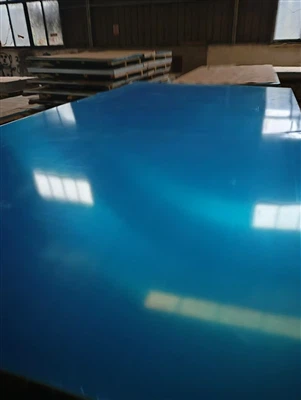
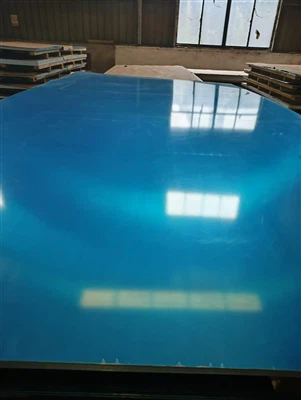
Dynamic visual effect: The shape of the hyperbolic aluminum plate not only showcases the cutting-edge concepts of architectural aesthetics, but also creates a more dynamic visual effect on the surface of the building. As the light changes, the surface of the aluminum plate can reflect different colors, enhancing the visual appeal of the building.
Personalized expression: The diversification of aluminum plate surface treatment processes enables architects to choose different gloss, texture, color and other effects according to the needs of the project. Through surface treatment methods such as spraying, anodizing, drawing, and sanding, aluminum plates can not only present different visual effects, but also showcase the unique personality of the building.
Artistic extension of internal space: The aesthetic effect of hyperbolic aluminum panels is not only reflected in the exterior facade, but the internal space can also be artistically extended through the design of hyperbolic aluminum panels. In some important public buildings, such as museums, exhibition halls, theaters, etc., hyperbolic aluminum panels are widely used in the design of ceilings, walls, and decorative elements
2.Advantages and Characteristics of Aluminum Plates?
Aluminum plate, as an important material, has a wide range of applications in many industries. The main advantages and characteristics of aluminum plates include
Lightweight performance: Aluminum plate is lightweight and has a very low density of only 2.7g/cm ³, which is about one-third of other industrial metals, making it an ideal choice for lightweight design.
High strength: Aluminum plates have high strength, which means they can withstand weight and pressure. This makes it an important material in construction and industrial equipment.
Good corrosion resistance: Aluminum plates have excellent corrosion resistance and can maintain their appearance and durability even under harsh weather conditions. This makes it widely used in marine environments and chemical industries.
Good conductivity: Aluminum plate has good conductivity, making it an important material for manufacturing electronic products such as cables and electrical circuits.
Good thermal conductivity: Aluminum plates have good thermal conductivity and are very suitable for making products that require heat dissipation, such as computer heat sinks, car heat sinks, etc.
Easy to process: Aluminum plate is a material that is easy to process. It can be easily cut, stamped, bent, and welded, and can be made into various shapes and sizes of components.
Recyclability: Aluminum panels can be 100% recycled, unlike decorative materials such as glass, stone, ceramics, aluminum-plastic panels, etc., with high residual value.
Convenient surface treatment: The surface of aluminum plates can be treated by spraying, anodizing and other methods to give them a beautiful appearance and better corrosion resistance.
Widely used: Aluminum plates are not only widely used in construction, transportation, electronics, and other fields, but can also add alloy elements according to different needs to obtain aluminum alloy plates with different properties.
3.How does aluminum plate surpass steel in durability?
The durability of aluminum plates is influenced by various factors such as material properties, surface treatment, and usage environment. Here are some advantages of aluminum plates in terms of durability:
Corrosion resistance: The surface of the aluminum plate is prone to the formation of a dense and strong Al2O3 protective film, which can effectively prevent further oxidation of the aluminum. Therefore, the aluminum plate has good corrosion resistance. In contrast, steel is prone to rusting in damp or corrosive environments and requires additional anti-corrosion treatment.
Lightweight and High Strength: Although aluminum alloy has a low density, it can achieve high strength through alloying and processing techniques. For example, the hardness of 2 series and 7 series aluminum plates can be comparable to that of steel. This means that in certain application scenarios, aluminum plates can maintain sufficient strength and durability while reducing structural weight.
Recyclability: Aluminum itself has good recyclability, and through recycling and reuse, it can greatly reduce resource consumption and environmental pollution. This is very important for modern societies that pursue sustainable development