Patterned (tread/checkered) aluminum plate is available in three common alloys with very different hardness and strength: 1060 (commercially pure, hardness ~20-30 HB, tensile ~70-100 MPa - soft, formable, for decorative and anti-slip where load is light); 3003-H14 (Al-Mn, hardness ~30-45 HB, tensile ~120-170 MPa - the workhorse for vehicle floors, ramps and cold-room panels); and 6061-T6 (Al-Mg-Si, heat-treated, hardness ~90-100 HB, tensile ~260-310 MPa - for structural tread plate, scaffolding and heavy-duty applications). Higher alloy content and heat treatment (6061-T6) raise strength and hardness but reduce formability and increase cost. Select by load, wear and welding requirements; 1060 suits lightweight non-structural, 3003 suits general, 6061-T6 suits load-bearing.

1. Hardness and Strength Comparison
The hardness and strength of aluminum tread plate depend mainly on the alloy, temper, thickness and manufacturing condition. Among 1060, 3003 and 6061, the difference is particularly noticeable because they use different strengthening mechanisms.
| Alloy/Temper | Hardness (HB) | Tensile (MPa) | Yield (MPa) | Type |
|---|---|---|---|---|
| 1060-O/H14 | 20–30 | 70–110 | 20–90 | Commercially pure (Al ≥99.6%) |
| 3003-H14 | 30–45 | 120–170 | 110–150 | Al-Mn, strain-hardened |
| 6061-T6 | 90–100 | 260–310 | 240–280 | Al-Mg-Si, solution + aged |
These figures are typical reference ranges rather than universal guaranteed values. Actual mechanical properties should be confirmed according to the applicable standard, product thickness, temper and mill test certificate.
1060 provides the lowest strength but excellent ductility and formability. 3003-H14 offers a useful balance between strength, corrosion resistance and forming performance, making it a common general-purpose choice. 6061-T6 has substantially higher strength and hardness and is selected when the tread plate must carry greater loads.
2. Why They Differ
1060: 1060 contains at least approximately 99.6% aluminum and has no significant intentional alloying additions for structural strengthening. In the annealed O temper, it is very soft and highly formable. When cold worked to H14, its strength increases through strain hardening, but it remains much softer than 3003-H14 or 6061-T6.
3003: 3003 contains approximately 1.0–1.5% manganese. Manganese contributes to solid-solution strengthening, while the H14 temper adds further strength through controlled cold working. This gives 3003-H14 a useful combination of moderate strength, good corrosion resistance and good formability.
6061-T6: 6061 contains magnesium and silicon, which can form Mg₂Si precipitates during heat treatment. The T6 condition is achieved through solution heat treatment followed by artificial aging, producing significantly higher strength and hardness. Unlike 1060 and 3003, 6061 is a heat-treatable aluminum alloy.
This difference in strengthening mechanism explains why 6061-T6 can achieve much higher mechanical strength than commercially pure 1060 aluminum.
3. Application Guidance
1060: Suitable for applications where high strength is not the primary requirement, including decorative panels, nameplates, light-duty anti-slip mats, food equipment and general protective surfaces. Its excellent formability makes it easy to cut and fabricate, but it should not normally be selected for heavily loaded walking platforms or structural flooring without engineering verification.
3003-H14: A practical general-purpose tread plate for vehicle and trailer floors, ramps, walkways, cold-room panels, toolboxes and equipment platforms. It provides a good balance of strength, corrosion resistance, weight and cost. For many commercial flooring applications, 3003-H14 is a more practical choice than 1060 when moderate load-bearing capability is required.
6061-T6: Recommended for more demanding applications such as structural tread plate, scaffolding planks, truck steps, machinery platforms and industrial access platforms where higher strength is important. However, welding locally changes the heat-treated condition and can reduce strength in the heat-affected zone (HAZ). Welded structures should therefore be designed using the appropriate reduced properties.
The required alloy should ultimately be determined by load, span, support spacing, impact, corrosion environment, forming requirements and applicable design standards.
4. Ordering Notes
When purchasing aluminum tread plate, specifying only the alloy is not sufficient. Buyers should provide the complete material and dimensional requirements.
Specify:
Alloy + temper: e.g. 1060-H14, 3003-H14 or 6061-T6
Pattern type: five-bar, one-bar, diamond or checkered
Thickness: typically 1.5–6.0 mm base-metal thickness, depending on application
Width: required finished width
Length: standard or cut-to-length
Surface: mill finish, bright finish or other specified treatment
Standard: such as GB/T 3618 for patterned aluminum plate and ASTM B209 for applicable aluminum sheet/plate requirements
Quantity: total weight or number of sheets
Inspection: MTC, dimensional inspection or third-party inspection if required
It is also important to distinguish base-metal thickness from overall embossed thickness. The raised pattern adds height above the base metal, so suppliers and buyers should agree on how thickness is measured to avoid specification discrepancies.
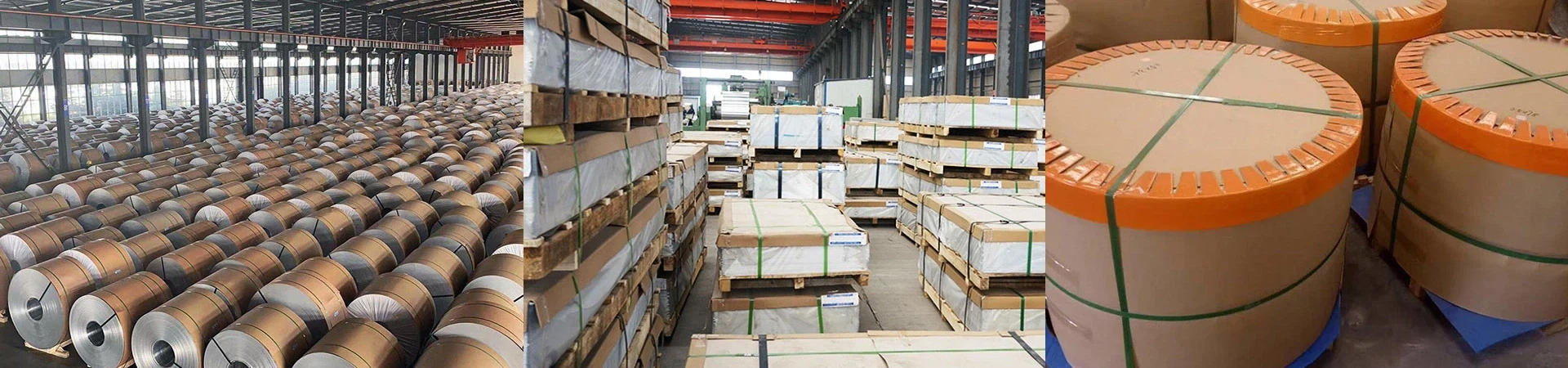
For export orders, customers should also confirm packing method, pallet requirements, moisture protection, loading quantity and destination port.
Quick Selection
| Requirement | Recommended Choice |
|---|---|
| Maximum formability | 1060 |
| Lowest-strength decorative application | 1060 |
| General-purpose tread plate | 3003-H14 |
| Better strength/cost balance | 3003-H14 |
| High-load industrial platform | 6061-T6 |
| Structural application | 6061-T6, subject to engineering design |
| Extensive forming | 1060 or 3003, depending on requirements |
In short, 1060 is selected mainly for formability and corrosion resistance, 3003-H14 for balanced strength and general-purpose tread applications, and 6061-T6 when higher structural strength is required. Selecting the correct alloy and temper at the quotation stage helps ensure that the finished tread plate meets both fabrication and service requirements.