


1100 aluminum tread plate is mainly used for decorative, anti-slip, and corrosion-resistant applications where high mechanical strength is NOT required. Because it is commercially pure aluminum, it is highly formable and rust-proof. It is ideal for light-duty environments such as wall panels, light pedestrian walkways, and insulation jackets, but it is strictly not designed for heavy load-bearing structures or industrial vehicle flooring.
When sourcing aluminum materials for your project, choosing the right alloy based on actual application needs is the best way to control your budget. Below is a complete guide to the real-world uses of 1100 aluminum tread plates, where they fail, and how to choose the right material for your bulk orders.
Core Applications of 1100 Aluminum Checker Plate
Because 1100 aluminum consists of ≥ 99.0% pure aluminum, it is soft, easy to bend, highly resistant to rust, and economical. These properties make it highly popular in four main industries.
1. Decorative & Architectural Use
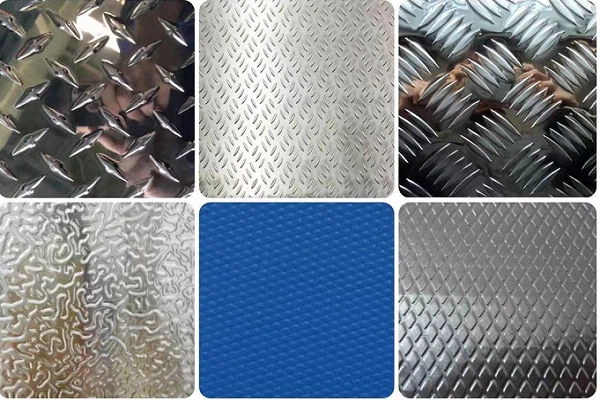
This is the most common reason buyers purchase 1100 aluminum plates in bulk. Because the metal is soft, the manufacturing process can emboss very deep, sharp, and visually appealing diamond or 5-bar patterns on the surface.
- Interior wall panels: Used in commercial gyms, garages, and retail stores as wainscoting to protect walls from shopping carts and add an industrial aesthetic.
- Exterior cladding: Used on the outside of commercial buildings for decoration. The natural oxide layer prevents rust completely in normal rain and weather.
- Ceiling systems & Elevator decoration: Because it is incredibly lightweight (only 2.71 g/cm³), it is very safe and easy to install on ceilings or inside elevator cabins without adding heavy structural loads.
2. Light-Duty Anti-Slip Surfaces
The raised patterns on the 1100 aluminum checker plate significantly increase the friction coefficient of the floor, preventing slipping accidents.
- Pedestrian walkways: Installed on indoor catwalks or pedestrian bridges where only human foot traffic occurs.
- Low-load ramps: Used for wheelchair ramps or light hand-cart ramps in warehouses.
- Platform covers: Used to cover existing wooden or steel platforms to provide a clean, rust-free, anti-slip surface.
Note: The pattern provides the anti-slip function, but the alloy itself does not provide structural support. It must be laid over a solid sub-floor.
3. Equipment & Surface Protection
Equipment manufacturers buy 1100 aluminum because it is highly cost-effective and extremely easy to fabricate. It does not wear out cutting blades quickly.
- Machine covers: Used to build protective housings around industrial machinery to prevent workers from touching moving parts.
- Toolboxes: Commonly used to manufacture light-duty toolboxes for pickup trucks. It keeps the tools dry and looks professional.
- Protective panels: Attached to doors or warehouse corners to act as kick plates and bump guards.
4. Insulation & Industrial Wrapping
Chemical plants and oil refineries frequently use thin 1100 aluminum tread plates (usually 1.0mm to 1.5mm thick).
- Pipe insulation jackets: The pure aluminum sheet is wrapped around exterior hot or cold pipes. Its high formability means workers can easily bend it by hand around curved pipes.
- Tank covering sheets: Used to protect the thermal insulation materials on large storage tanks from rain, UV rays, and physical damage.

Where NOT to Use 1100 Aluminum Tread Plate
- Heavy-duty industrial flooring: Do not use it in warehouses where heavy forklifts operate. The solid rubber tires of forklifts will instantly flatten the raised anti-slip pattern and severely dent the flat base of the plate.
- Truck beds and heavy trailers: If you load heavy equipment, stones, or thick metal parts onto an 1100 plate, the impact will cause permanent deformation.
- Industrial load-bearing platforms: It does not have the tensile or yield strength to act as a structural floor holding heavy machinery.
- Marine structural decks: While it resists normal rain, pure aluminum cannot withstand continuous heavy ocean saltwater spray. It will suffer from pitting corrosion.
Performance Data of 1100 Aluminum Diamond Plate
To prove why 1100 is best for appearance and corrosion but bad for heavy loads, look at the actual engineering data. This data determines your purchasing decision.
| Property | 1100 Aluminum Tread Plate Data |
| Aluminum Content | ≥ 99.0% |
| Tensile Strength | 90 – 110 MPa |
| Yield Strength | ~35 MPa |
| Corrosion Resistance | Excellent |
| Formability / Bending | Excellent |
| Mechanical Strength | Low |
What this means for buyers: A yield strength of ~35 MPa means the metal bends easily under concentrated pressure. Therefore, you buy 1100 for its excellent rust prevention and easy processing, not for its structural strength.
Why Choose GNEE as Your Aluminum Supplier?
- Stable Inventory: We keep a massive stock of raw aluminum coils, allowing us to produce and ship your bulk orders much faster than trading companies.
- Strict Quality Inspection: We do not cheat on thickness. We use digital tools to guarantee the thickness tolerance matches your order perfectly. Our chemical analysis ensures the 1100 purity is strictly ≥99.0%.
- Custom Fabrication: We own advanced slitting and cutting lines to process exact custom sizes, reducing your material waste during installation.
- Secure Packaging: All aluminum tread plates are wrapped in waterproof paper and safely secured on fumigated wooden pallets to prevent any damage during sea freight.

FAQ
Q1: Is 1100 aluminum tread plate good for flooring?
A: It is good ONLY for light-duty flooring, such as pedestrian walkways or residential attics. It is not suitable for heavy-duty industrial loads or forklift traffic due to its low yield strength.
Q2: Why is 1100 aluminum widely used if it is not strong?
A: Because of its outstanding corrosion resistance, low purchasing cost, and excellent formability. For applications like wall panels, equipment covers, and insulation jackets, physical strength is not necessary, but rust prevention and easy bending are critical.
Q3: Can 1100 aluminum tread plate be used outdoors?
A: Yes, it performs very well in general outdoor environments. Its high purity allows it to form a dense oxide layer that naturally stops rain and moisture from causing rust.
Q4: What surface patterns are available for 1100 aluminum?
A: The most common patterns are the 5-bar pattern (which offers the best multi-directional anti-slip grip) and the diamond or 1-bar pattern (which is highly popular for aesthetic and decorative purposes).
Q5: Can I weld 1100 aluminum checker plate?
A: Yes. Because it is commercially pure aluminum, 1100 has excellent weldability using standard MIG or TIG welding methods with the appropriate pure aluminum filler wire.


