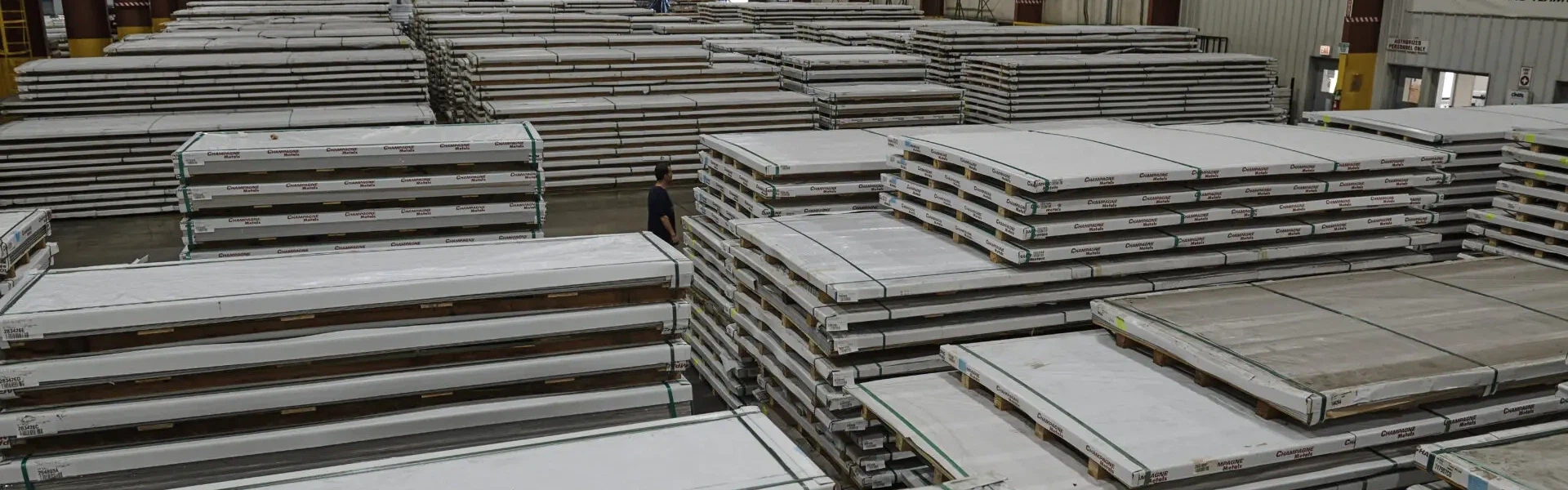

5083 H116 aluminum is a marine-grade aluminum alloy from the 5xxx series (Al-Mg alloys), specifically designed for high-strength structural use and excellent corrosion resistance in severe seawater environments. The H116 temper indicates that the material is strain-hardened with controlled mechanical properties to provide guaranteed resistance against exfoliation corrosion. It is the global standard material for shipbuilding, offshore oil platforms, and marine pressure vessels.
What Does the H116 Temper Mean in 5083 Aluminum?
When sourcing aluminum, the base alloy (5083) determines the chemical elements, but the temper (H116) determines how the metal is processed at the mill.
- "H" stands for strain-hardened (cold worked). The alloy is not heat-treated.
- "116" is a specific temper designation strictly used for 5xxx series alloys with a magnesium content over 4.0%. It means the aluminum mill carefully controls the rolling and cooling process to ensure the grain structure is locked.
This specific processing prevents the magnesium from precipitating to the grain boundaries. As a result, the H116 temper passes the strict ASTM G66 (ASSET) test, meaning it will not peel or flake (exfoliation corrosion) when submerged in saltwater for decades.
(Note: 5083-H321 offers the exact same strength and corrosion resistance but uses a low-temperature thermal stabilization process instead of strict cold-rolling control. Both are premium marine grades).
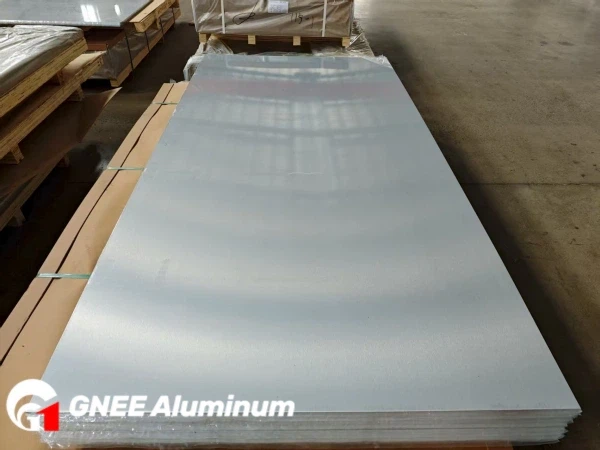
Chemical Composition of 5083 H116 Marine Aluminum
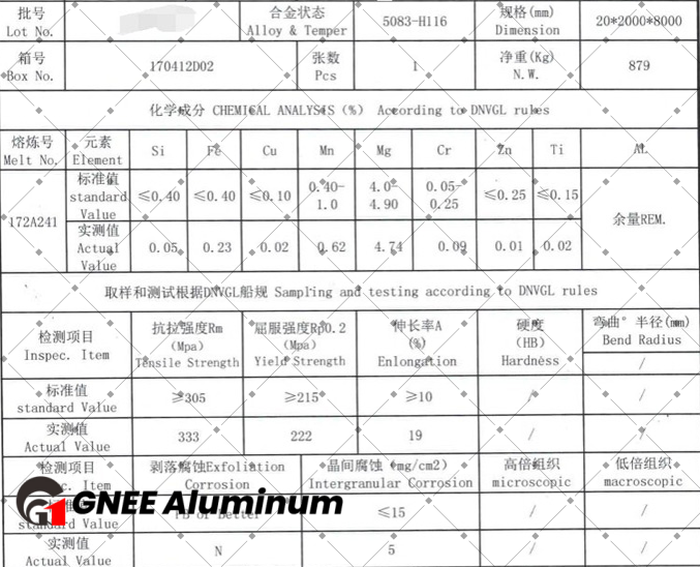
The superior performance of 5083 aluminum comes from its high magnesium content, which provides structural strength without the need for heat treatment.
| Element | Content (%) | Function in Alloy |
| Magnesium (Mg) | 4.0 - 4.9 | Primary strengthening element; provides seawater resistance. |
| Manganese (Mn) | 0.40 - 1.0 | Increases tensile strength and toughness. |
| Chromium (Cr) | 0.05 - 0.25 | Stabilizes grain structure; prevents stress cracking. |
| Silicon (Si) | ≤ 0.40 | Controlled as an impurity to prevent brittleness. |
| Iron (Fe) | ≤ 0.40 | Controlled impurity. |
| Copper (Cu) | ≤ 0.10 | Minimized to prevent galvanic corrosion. |
| Zinc (Zn) | ≤ 0.25 | Controlled impurity. |
| Aluminum (Al) | Balance | Base metal. |
Mechanical Properties of 5083 H116 Aluminum Sheet
Engineers specify 5083 H116 because it retains exceptional strength after welding, unlike many other alloys. Below are the typical mechanical baseline requirements according to ASTM B928.
| Mechanical Property | Typical Values / Minimum Limits |
| Ultimate Tensile Strength (UTS) | 305 MPa (min) |
| Yield Strength (0.2% Offset) | 215 MPa (min) |
| Elongation | ≥ 10% (varies slightly by thickness) |
| Density | 2.66 g/cm³ (Lighter than steel, improving fuel efficiency) |
| Hardness (Brinell) | ~75 HB |
Key Advantages of 5083 H116 Marine Grade Aluminum
- Absolute Seawater Resistance: Immune to pitting and exfoliation corrosion in salty environments without requiring structural paint.
- High Strength-to-Weight Ratio: Offers the highest strength of all non-heat-treatable aluminum alloys, allowing shipbuilders to reduce hull weight and increase vessel speed.
- Superior Weldability: Compatible with standard MIG and TIG welding using ER5183 or ER5356 filler wires. The heat-affected zone (HAZ) retains excellent structural integrity.
- Extreme Cold Performance: Unlike steel, 5083 H116 does not become brittle at sub-zero temperatures, making it ideal for cryogenic applications.
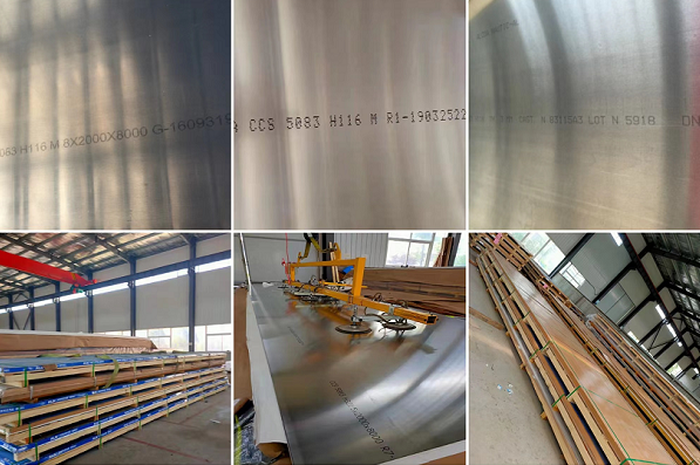
Standards and Marine Certifications for 5083 H116
To be used in marine construction, the material must comply with strict international codes. Unverified aluminum will fail shipyard inspections.
Global Standards: ASTM B928, EN 573, EN 485.
Classification Societies: At GNEE, our plates are certified by DNV, ABS, LR, CCS, KR, and BV.
Do you need to verify material standards for your shipyard project? Contact GNEE today to request a free sample of our EN 10204 3.2 Mill Test Certificate (MTC) showing verified ASTM G66 corrosion test results.
5083 H116 vs 5052 / 5086 / 6061 Aluminum Comparison
Purchasing managers often compare 5083 with other common alloys to balance cost and performance.
| Alloy & Temper | Yield Strength | Marine Corrosion Resistance | Best Application |
| 5083 H116 | ~215 MPa | Excellent (Exfoliation tested) | Ship hulls, offshore rigs, LNG tanks. |
| 5052 H32 | ~193 MPa | Good | Small freshwater boats, fuel tanks, general sheet metal. |
| 5086 H116 | ~195 MPa | Excellent | Patrol boats, decks (slightly lower strength than 5083). |
| 6061 T6 | ~276 MPa | Moderate (Requires coating) | Structural frames, machined parts (Not for underwater marine use). |
Core Applications of 5083 H116 Aluminum Plates
Because of its verified performance, GNEE supplies this exact specification to heavy industries globally:
- Marine & Shipbuilding: Underwater boat hulls, fast ferries, luxury yachts, fishing vessels, and workboats.
- Transportation: Railway tank cars, bulk powder transport trucks, and heavy-duty dump trailers.
- Offshore Engineering: Helicopter decks on oil platforms, offshore crew quarters, and underwater pipelines.
- Cryogenics & Pressure Vessels: LNG (Liquefied Natural Gas) storage tanks and unfired welded pressure vessels.

Choose GNEE – Your 5083 H116 Aluminum Plate Supplier
Using out-of-spec aluminum in heavy engineering leads to structural failure and rejected inspections. You need a reliable 5083 H116 aluminum sheet supplier that delivers exact specifications with full traceability.
GNEE manufactures and exports heavy-duty aluminum plates in standard shipyard dimensions (e.g., 2000mm x 6000mm) and custom thicknesses ranging from 3mm to 200mm.
Are you looking for a competitive marine grade aluminum 5083 price for your current BOM (Bill of Materials)? Send us your required thickness, dimensions, and total tonnage today. Our marine sales engineers will provide an accurate quote within 24 hours.