

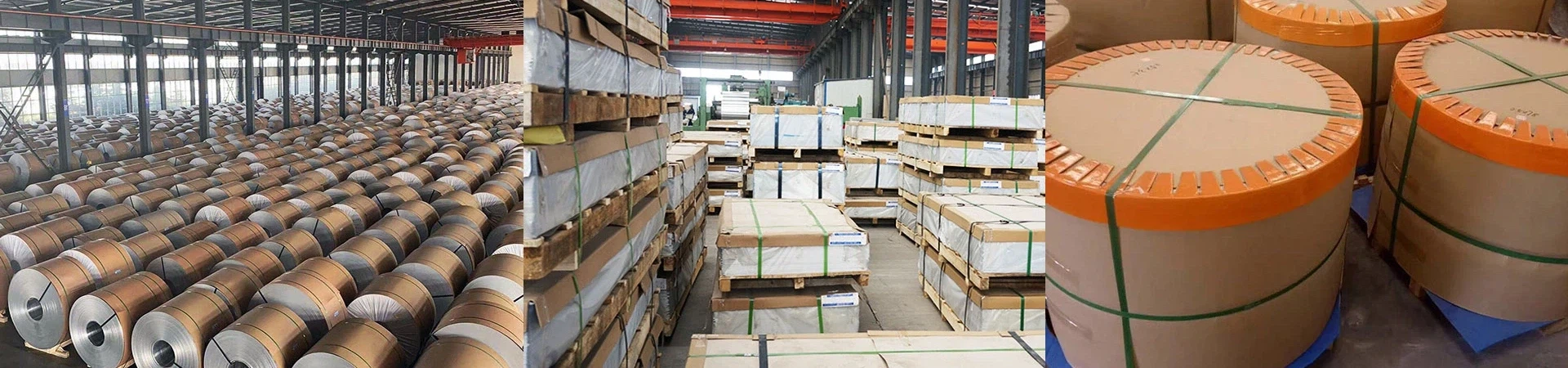
At GNEE, we take great pride in manufacturing high-quality aluminum ramps using premium 6061 aluminum. Every aluminum ramp begins its life as raw bauxite-a clay-like material found just a few meters below the earth's surface in equatorial regions.
Through a specialized refining procedure using caustic soda and lime, alumina (aluminum oxide) is extracted from the bauxite. The mixture is heated and filtered until it becomes a fine white powder. This refined alumina is then converted into aluminum in production facilities across the United States.
First introduced in 1935, 6061-T6 aluminum is produced through precipitation hardening. Using high temperatures significantly increases the alloy's yield strength, decreases plasticity, and creates the tough, durable 6061-T6 aluminum widely used today.
To produce 6061-T6 aluminum, three raw materials are required:
Aluminum oxide
Electricity
Carbon
Electric current passes between carbon anodes and cathodes; the anode reacts with oxygen in the alumina, forming CO₂. The resulting liquid aluminum is then drawn off from the cells.
Afterward, the liquid aluminum is cast into sheet ingots or foundry alloys. From that point, GNEE takes over-using advanced facilities to manufacture top-tier aluminum yard ramps, van ramps, twin-lock ramps, and stage ramps.

What Is the Composition of 6061-T6 Aluminum?
6061-T6 has a density of 2.70 g/cm³ (0.0975 lb/in³) and is notably pure, with aluminum accounting for 95.85%–98.56% of the total. To enhance hardness and durability, the alloy contains additional elements, including:
Silicon: 0.4%–0.8%
Iron: up to 0.70%
Copper: 0.15%–0.40%
Manganese: up to 0.15%
Magnesium: 0.8%–1.2%
Chromium: 0.04%–0.35%
Zinc: up to 0.25%
Titanium: up to 0.15%
Other trace elements: no more than 0.05% each, 0.15% total
Are There Special Requirements for Machining 6061-T6 Aluminum?
6061-T6 aluminum can be welded easily using both TIG and MIG processes. However, aluminum naturally forms an oxide layer that melts at a higher temperature than the metal itself. For this reason, the oxide must be removed by heating the alloy to 350°F (176°C) before welding. Welding 6061-T6 at or above this temperature results in a stronger, deeper bond; skipping this step risks producing weak welds.
At GNEE, our 6061-T6 aluminum ramps undergo a detailed preparation routine before any welding:
Cleaned with acetone
Rinsed with fresh water
Dried thoroughly
Scrubbed with a stainless-steel brush
This meticulous process ensures our ramps remain among the best in the industry.

Why GNEE Uses 6061-T6 Aluminum for Yard Ramps
Despite being lighter in weight, 6061-T6 aluminum yard ramps can support up to 25,000 pounds and feature steel grating for excellent traction. If mobility, portability, and strength are essential for your operations, GNEE's 6061-T6 aluminum yard ramps are an ideal choice.
We choose 6061-T6 aluminum because it offers a strong, stable, and highly mobile platform material for our advanced yard ramp designs. Its non-toxic nature, environmental friendliness, and easy-to-clean anodic coating also make it an excellent choice. Additionally, 6061-T6 is 100% recyclable without any loss of quality-requiring only 5% of the energy needed to produce primary aluminum.


