

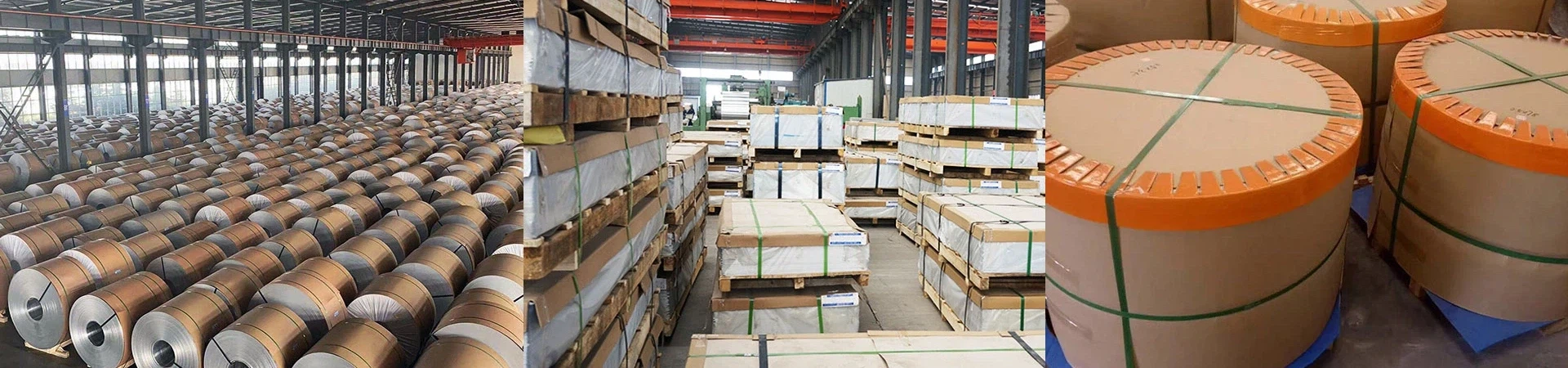
What Is Aluminum Veneer?
Let's first understand what custom aluminum veneer is. Aluminum veneer is a decorative building material made by bonding very thin aluminum sheets to a substrate, typically plywood or metal studs. After chroming and other surface pretreatments, fluorocarbon coating technology is applied, forming a high-performance aluminum veneer. Thanks to its many advantages-such as long service life, fire resistance, and energy efficiency-aluminum veneer has become an increasingly popular choice for architectural cladding.

Manufacturing Process of Aluminum Veneer
Globally, aluminum veneers are mainly divided into two types: fluorocarbon-sprayed aluminum veneer and roller-coated aluminum veneer. In the industry, fluorocarbon spraying is the dominant and most widely used process. The production process can be divided into two main stages:
1. Sheet Metal Processing
This stage includes cutting, folding, bending, welding, and grinding flat aluminum sheets. These processes shape the aluminum veneer into the required size and form for construction applications.
2. Spraying Process
The processed sheet metal is then coated with paint. Spraying can be done manually or by machine. Manual spraying is more commonly used, as machine spraying is typically limited to standard flat panels and is less flexible in real-world applications.
Manual spraying allows for unlimited color options, although it is a more demanding process due to the flammability and toxicity of paint materials. Roller coating, by contrast, requires strict control of coating thickness before further processing.
Features of Aluminum Veneer
Aluminum veneer offers numerous advantages compared with materials such as ceramic panels and glass:
Lightweight, high strength, and good rigidity, with excellent processability
Outstanding resistance to weathering and ultraviolet (UV) radiation due to PVDF coatings
Long-lasting color and gloss, strong corrosion resistance, and suitability for extreme temperatures ranging from -50°C to 80°C
Excellent resistance to acids and alkalis
Easy to cut, weld, bend, shape, and install on site
Good sound insulation and vibration absorption, with the option of perforation in various patterns
The back of the panel can be fitted with sound-absorbing cotton, rock wool, or other insulation materials, providing effective fire resistance and producing no toxic gases in case of fire
Wide color selection with an attractive appearance
Easy cleaning and maintenance, fully compliant with environmental protection standards
Can be combined with glass curtain walls to enhance the elegance and premium appearance of buildings
Applications of Aluminum Veneer
Aluminum veneer is a versatile decorative material used in a wide range of applications, including cabinetry, banquettes, planter boxes, fireplaces, hollow metal doors, bar wraps, and millwork. It is also extensively used for interior and exterior wall decoration, overhead walkways, elevators, advertising boards, reception desks, signage, escalators, staircases, and more.
Aluminum Veneer for Architectural Decoration
Aluminum veneer is one of the most popular aluminum construction materials in today's building industry. It is available in a wide range of colors such as white, yellow, and custom shades, offering architects and designers greater creative freedom. As technology has advanced, aluminum veneer has become a preferred material for building exteriors and architectural decoration. It plays a vital role not only in structural construction but also in enhancing visual appeal.
Aluminum Veneer Curtain Wall Systems
Following the widespread adoption of glass curtain walls, aluminum veneer curtain walls emerged as a new and superior alternative. Many architects, designers, and property owners now prefer aluminum veneer curtain walls because of their superior performance.
Aluminum veneer curtain walls feature rich colors and diverse patterns, delivering stronger decorative effects than glass curtain walls. They are easy to clean, simple to maintain, recyclable, and environmentally friendly, helping reduce energy consumption. As a result, aluminum veneer is often considered the optimal choice for curtain wall decoration.
Aluminum veneer curtain walls are widely used for interior and exterior walls, lobby façades, elevated corridors, pedestrian bridges, elevator trims, balcony enclosures, advertising signage, and special-shaped indoor ceilings.
Key Benefits of Aluminum Veneer
Excellent Fire Resistance
Aluminum veneer typically achieves a fire rating of A2, with a melting point of approximately 660°C, making it an outstanding fireproof building material. Certified aluminum veneer products can be safely used in construction projects.
Effective Sound Insulation
According to relevant standards, aluminum veneer can provide sound insulation levels of approximately 32–39 decibels. This makes it suitable for residential spaces such as bedrooms and studies, as well as large public facilities like airports and high-speed rail stations.
Moisture and Corrosion Resistance
Aluminum veneer offers the aesthetic qualities of wood while providing superior moisture resistance. It does not crack due to thermal expansion or contraction, making it particularly suitable for ceiling applications.
Thermal Insulation Performance
Aluminum veneer panels can be combined with sound-absorbing and insulating materials to deliver effective heat preservation and insulation, making them suitable for both hot southern climates and cold northern regions.
Low Maintenance and Easy Cleaning
Aluminum veneer requires minimal maintenance. Routine cleaning with clean water and a neutral, non-abrasive detergent is sufficient to remove surface residue. This ensures long-term durability and ease of care.
Conclusion
Aluminum veneer has become extremely popular in modern construction and architectural decoration due to its outstanding performance and versatility. It is strong, flexible, elegant, and easy to fabricate. Properly manufactured aluminum veneers are lightweight, easy to handle, and can be bent or shaped without cracking.


