

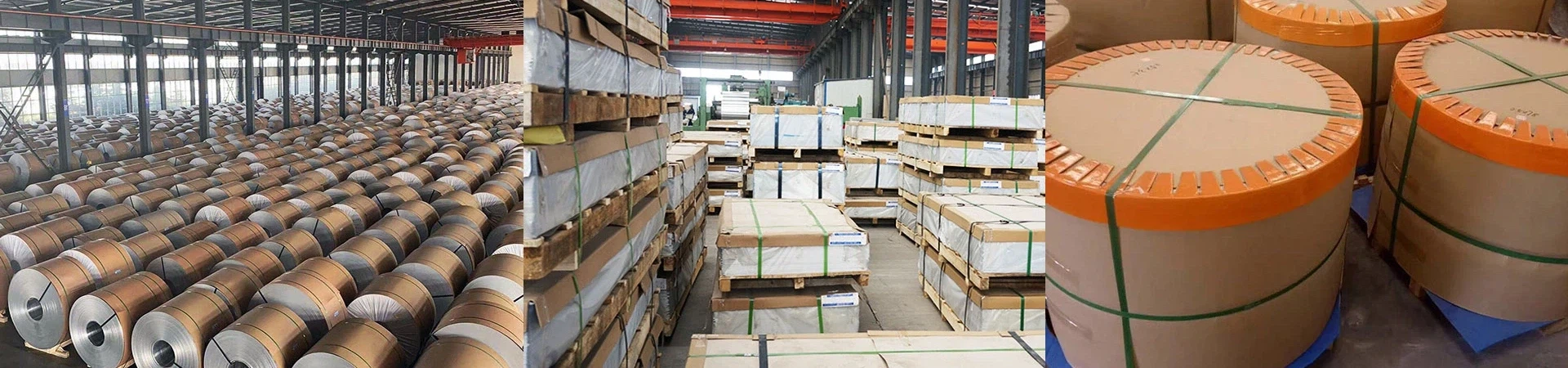
In the demanding world of marine engineering, materials are constantly under attack from saltwater, extreme humidity, and cyclic mechanical stresses. Choosing the wrong alloy leads to rapid corrosion, structural failure, and astronomical maintenance costs.
At GNEE, we solve these industrial pain points by providing premium Marine Grade 5086 H116 aluminum plates. This specific alloy and temper combination is engineered to provide unmatched durability where performance is paramount. Whether you are constructing high-speed hulls or offshore platforms, GNEE's 5086 H116 is built to last.

1. What is the Chemical Composition of GNEE 5086 H116 Aluminum?
The secret to the 5086 alloy's success lies in its high Magnesium (Mg) content. Unlike general-purpose aluminum, GNEE's 5086 is optimized to form a robust oxide layer that thrives in saline conditions.
Table 1: Chemical Composition of 5086 Aluminum Alloy (%)
| Element | Content Range (%) | Purpose |
|---|---|---|
| Magnesium | 4.0 – 4.9 | Enhances corrosion resistance and strength |
| Manganese | 0.70 – 1.0 | Offers good corrosion resistance |
| Iron | ≤ 0.40 | Improves alloy strength |
| Silicon | ≤ 0.40 | Stabilizes the alloy during casting |
| Others | Trace elements | Minor influence on propertie |
Magnesium Power: High Mg levels significantly enhance strength and saltwater corrosion resistance.
Manganese Benefit: Improves the alloy's workability and further stabilizes the metal against pitting.
2. What Makes the H116 Temper of 5086 Aluminum Essential?
For marine applications, the "H116" temper is not optional-it is a safety requirement. Many standard tempers are susceptible to Intergranular Corrosion (IGC) and exfoliation.
The GNEE 5086 H116 designation indicates that the plate has been strain-hardened and specially stabilized. This process prevents the formation of continuous magnesium-rich precipitates at the grain boundaries, ensuring the plate will not delaminate or "flake off" even after decades of exposure to tropical seawater.
3. What are the Mechanical Properties of GNEE 5086 H116 Aluminum Plates?
When compared to the common 5052 alloy, the 5086 H116 offers a significant boost in mechanical strength without sacrificing the weldability that shipbuilders rely on.
Table 2: Typical Mechanical Properties of 5086 H116
| Property | Metric Value | Imperial Value | GNEE Performance Advantage |
|---|---|---|---|
| Tensile Strength | 275 – 350 MPa | 40 – 51 ksi | High structural integrity |
| Yield Strength | 195 – 275 MPa | 28 – 40 ksi | Resists deformation under load |
| Elongation | 10% – 14% | 10% – 14% | Absorbs shocks without cracking |
| Hardness | 80 HB | 80 HB | Excellent scratch resistance |
4. How Does 5086 H116 Aluminum Compare to Other Marine Alloys?
Navigating the myriad of aluminum series can be confusing. GNEE helps you simplify the selection process based on your specific stress and corrosion requirements.
Table 3: Comparison of Marine Grade Aluminum Alloys
| Alloy & Temper | Strength | Corrosion Resistance | Best For... |
|---|---|---|---|
| GNEE 5086 H116 | High | Excellent | Main Hulls & High-Stress Frames |
| GNEE 5083 H116 | Very High | Excellent | Large Hull Plates & Armor |
| GNEE 5052 H32 | Moderate | Good | Small Boats & Internal Cabinets |
| GNEE 6061 T6 | High | Moderate | Superstructures & Masts |
GNEE Tip: While 5083 is slightly stronger, 5086 H116 offers a better balance of weld-joint efficiency and fatigue resistance for mid-sized vessels and workboats.
5. What are the Practical Applications for 5086 H116 Aluminum Plate?
Because GNEE's 5086 H116 is easy to cut, weld, and form, it is used across a diverse range of maritime sectors:
- Shipbuilding: Boat hulls, keels, and deck plating for high-speed ferries.
- Offshore Engineering: Helicopter landing pads on oil rigs and underwater structural components.
- Transportation: Lightweight truck trailers and refrigerated railcars for coastal transport.
- Industrial: Pressure vessels and chemical storage tanks that require rust-proof durability.

6. Why Choose GNEE as Your 5086 H116 Aluminum Supplier?
GNEE is more than a manufacturer; we are your technical partner. We understand that a single defect in a marine plate can compromise an entire vessel.
- Certified Quality: Our 5086 H116 plates carry certifications from DNV, ABS, CCS, LR, and BV.
- Stress-Relieved Precision: We utilize 3000T stretching machines to ensure plates stay perfectly flat during CNC laser or waterjet cutting.
- Custom Fabrication: We offer thicknesses from 3mm to 200mm, with precision sawing and surface protective filming.

FAQs: Solving Your 5086 H116 Technical Doubts
Q: Can GNEE 5086 H116 be welded using standard methods?
A: Yes. It is ideally suited for MIG and TIG welding. It maintains a high percentage of its strength in the heat-affected zone (HAZ).
Q: Is 5086 H116 more expensive than steel?
A: The initial cost is higher, but the 30% weight reduction leads to massive fuel savings, and the zero-maintenance surface eliminates the need for expensive anti-rust coatings.
Strategic Hook: Optimize Your Vessel Design Today!
Don't risk your project on uncertified materials. Selecting the wrong temper can lead to catastrophic exfoliation corrosion in less than two years.
Contact GNEE today for a Free Technical Material Audit. Our marine alloy specialists will review your blueprints and provide a Guaranteed Quote & MTC (Mill Test Certificate) Sample within 24 hours. Let us help you build a vessel that lasts a lifetime.
Get a Quick Quote on 5086 H116 Now


