

The 1060 aluminum elbow is a specialized pipe fitting engineered to alter fluid direction within low-pressure piping systems. Manufactured by GNEE, this commercial component utilizes unalloyed aluminum maintaining a minimum purity of 99.60%. The manufacturing process relies on extrusion, forging, or casting to create standardized deviation angles of 45°, 90°, and 180°. Industrial buyers select this specific 1060 alloy for its measured thermal conductivity of 234 W/(m·K) and resistance to atmospheric oxidation.
Fabricated in compliance with active ASTM B361 standards, these fittings integrate accurately into existing water and air distribution infrastructure. GNEE supplies these elbows predominantly in the fully annealed O temper, guaranteeing precise formability for standard pipeline installations.
Specification of 1060 Aluminum Elbow, Chemical Composition & Mechanical Properties
| Parameter | Specification & Tolerances |
| Alloy / Temper | 1060 / O, H112 |
| Dimensions (OD x WT) | 6 mm–500 mm x 1 mm–50 mm |
| Angles / Radius | 45°, 60°, 90°, 180° / 1D, 1.5D |
| Chemical Composition (%) | Al ≥ 99.60, Si ≤ 0.25, Fe ≤ 0.35, Cu ≤ 0.05 |
| Yield Strength | 20 MPa (2.9 ksi) - 35 MPa (5.1 ksi) |
| Tensile Strength | 65 MPa (9.4 ksi) - 95 MPa (13.8 ksi) |
| Elongation / Standard | ≥ 25% / ASTM B361, ASME B16.9 |
| OD / Angle Tolerance | ± 1.6 mm / ± 1° (Per ASME B16.9) |
SMM Price Range Guidance
| Product Condition | SMM Base (USD/MT) | Total Estimate (USD/MT) |
| 1060 Elbow (Mill Finish) | 2,400 - 2,500 | 3,000 - 3,300 |
| 1060 Elbow (Anodized) | 2,400 - 2,500 | 3,300 - 3,700 |
Contact GNEE to request a quote for wholesale 1060 aluminum elbows customized to your precise piping dimensions.

1. Primary Uses and Applications
The 1060 aluminum elbow serves critical directional routing functions in standard residential and commercial piping networks where low pressure and high corrosion resistance are required.
HVAC Ventilation Routing: Installers utilize 90° and 45° elbows in residential heating and air conditioning systems. The fitting directs airflow efficiently through ductwork operating between 18 °C and 25 °C. This implementation minimizes pressure drops and lowers energy consumption within standard commercial buildings.
Rainwater Drainage Systems: Contractors integrate 1060 elbows into exterior downspout configurations. The 99.60% pure aluminum withstands continuous exposure to precipitation and fluctuating temperatures from -10 °C to 40 °C. The components navigate structural corners, ensuring unobstructed water flow away from building foundations.
Food Processing Lines: Facility engineers deploy these elbows in low-pressure liquid transport systems within food packaging plants. The non-toxic surface prevents contamination of non-acidic beverages. Facilities operate these fluid lines at ambient temperatures, utilizing butt-weld connections to maintain hygienic internal routing.
Agricultural Irrigation Networks: Farmers install long-radius elbows in surface-level drip irrigation mainlines. The lightweight fittings connect horizontal aluminum pipes across uneven terrain. The components comfortably manage agricultural water distribution systems operating at internal fluid pressures of up to 1.0 MPa (0.14 ksi).
2. Key Benefits and Advantages
The material properties of the unalloyed 1060 metal provide specific engineering advantages for pipeline systems, combining elemental purity with predictable physical behavior under operating conditions.
High Chemical Purity: The minimum 99.60% aluminum content provides uniform physical characteristics across all manufactured batches. This composition prevents galvanic corrosion when integrated with unalloyed aluminum pipe sections, maintaining long-term structural stability in environments exposed to moisture and standard atmospheric oxygen.
Optimized Formability Metrics: The material exhibits a yield strength ranging from 20 MPa (2.9 ksi) to 35 MPa (5.1 ksi) in the O temper. This low yield point enables manufacturers to form precise short and long radius angles without inducing micro-cracking.
Excellent Thermal Conductivity: The 1060 alloy provides a thermal conductivity rating of 234 W/(m·K). Piping systems utilizing these elbows effectively dissipate heat into the surrounding environment, ensuring stable internal fluid temperatures up to 150 °C and preventing localized heat buildup at junctions.
Natural Corrosion Resistance: The exposed aluminum forms a continuous microscopic oxide layer upon contact with oxygen. This passive surface barrier protects the metal matrix from degradation, ensuring the elbow maintains its specified 1 mm to 50 mm wall thickness during continuous environmental exposure.
Secure reliable supply chain logistics by sourcing certified 1060 aluminum pipe fittings directly from GNEE today.
3. Delivery and Inspection Standards and Packaging
GNEE implements strict protocols for standard compliance, physical protection, and logistics to ensure all aluminum fittings arrive intact and exactly meet the requested engineering specifications.
International Standard Compliance: Production aligns strictly with the active ASTM B361 specification for factory-made wrought aluminum welding fittings. Inspectors verify that all dimensions, mechanical properties, and manufacturing tolerances correspond exactly to ASME B16.9 requirements prior to commercial release.
Precision Dimensional Tolerances: Quality control teams measure outer diameters to confirm adherence to the ± 1.6 mm tolerance limit. Wall thickness parameters remain within ± 12.5% of the specified dimension. Angle accuracy is maintained within a ± 1° deviation for proper alignment.
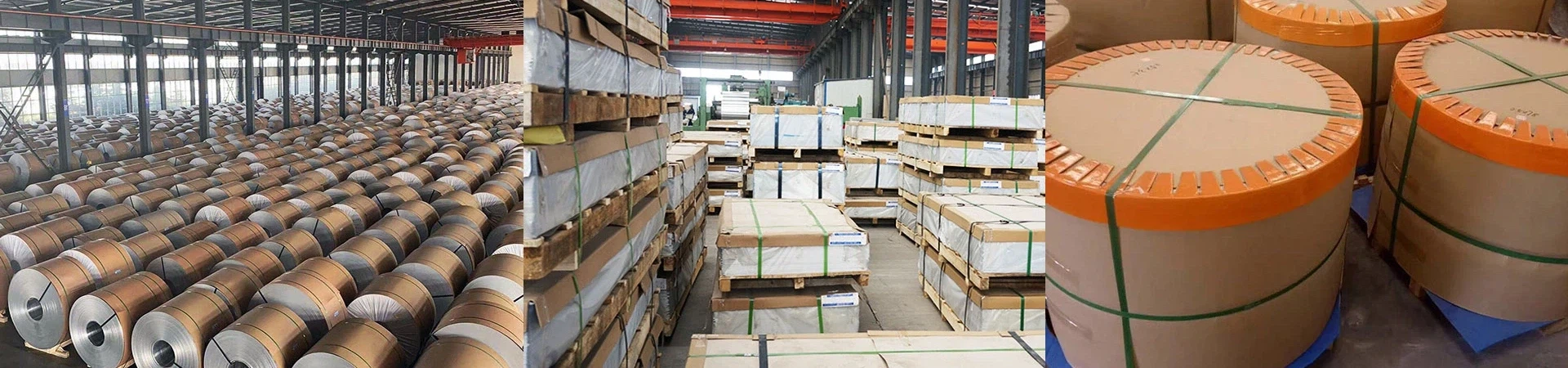
Protective Packaging Protocols: Logistics personnel seal the aluminum elbows in moisture-resistant polyethylene wrapping to prevent transit oxidation. The components are subsequently packed into standardized ISPM-15 compliant wooden crates, utilizing internal corrugated dividers to prevent surface friction and denting during freight handling.
Standardized Production Lead Times: GNEE maintains a rolling inventory of standard dimension fittings, enabling a rapid dispatch window of 7 to 10 days. Custom fabrication orders involving non-standard wall thicknesses or specialized CNC machining require an extended manufacturing lead time of 15 to 30 days.
4. Product Quality Testing
Comprehensive laboratory and physical testing regimens validate the structural integrity, elemental composition, and pressure containment capabilities of every fabricated aluminum elbow prior to industrial dispatch.
Optical Emission Spectroscopy: Technicians utilize calibrated spectrometers to analyze the elemental composition of raw aluminum billets. The software confirms the base metal achieves the required ≥ 99.60% aluminum concentration while verifying that trace impurities like copper remain below the 0.05% threshold.
Hydrostatic Pressure Verification: Quality control operators subject sample components to internal water pressure tests to identify potential micro-leaks. The fittings hold a designated test pressure for a minimum of 60 seconds without exhibiting surface moisture, confirming joint integrity for ambient temperature systems.
Non-Destructive Ultrasonic Testing: Inspectors scan elbow wall geometries using high-frequency sound waves to detect internal voids or extrusion defects. This subsurface evaluation guarantees material density uniformity across the entire bend radius without altering the physical properties of the finished industrial product.
Mechanical Property Validation: Laboratory personnel conduct destructive tensile testing on representative batch samples. Instruments measure data to ensure the ultimate tensile strength falls between 65 MPa (9.4 ksi) and 95 MPa (13.8 ksi), confirming the material achieves the required ≥ 25% elongation.

5. Future Development Prospects
Continuous advancements in metallurgical processing and automated manufacturing systematically refine the dimensional accuracy, environmental sustainability, and overall production efficiency of these commercial piping components.
Integration of Recycled Material: Smelters are progressively increasing the ratio of high-purity recycled aluminum scrap within the casting process. Advanced segregation technologies ensure the recycled feedstock maintains the strict 99.60% purity requirement, reducing the overall carbon footprint of the manufacturing cycle.
Advanced CNC Machining Techniques: Manufacturing facilities deploy multi-axis computer numerical control equipment to process forged blanks. This automated approach reduces wall thickness variations across the 90° bend apex, achieving micro-level tolerances that comfortably surpass current ASME B16.9 standard requirements for critical flow applications.
Enhanced Surface Passivation: Chemical engineers formulate non-toxic conversion coatings applied at 40 °C to 50 °C. These rapid-curing surface treatments thicken the natural aluminum oxide layer artificially, doubling the component's resistance to alkaline cleaning agents commonly utilized in modern facility maintenance routines.
Automated Welding Compatibility: Fabricators standardizing bevel geometries on butt-weld ends ensure seamless integration with modern automated orbital pipe welding robots. Highly consistent edge preparations provide uniform weld penetration, reducing field installation times for complex industrial fluid routing systems across various commercial sectors.
Conclusion
The 1060 aluminum elbow provides a verified method for altering fluid direction within low-pressure piping infrastructure. Utilizing 99.60% pure unalloyed aluminum, this fitting delivers natural corrosion resistance, constant thermal conductivity of 234 W/(m·K), and optimal formability driven by a yield strength of 20 MPa (2.9 ksi) to 35 MPa (5.1 ksi). By adhering to current ASTM B361 manufacturing standards, these components ensure precise dimensional alignment across HVAC, rainwater management, and light industrial networks. Sourcing from a verified manufacturer like GNEE guarantees compliance with ± 1.6 mm international tolerances, ensuring that commercial pipeline systems maintain structural integrity and steady operational efficiency.
Reach out to GNEE today to secure high-purity 1060 aluminum elbows and customized wholesale manufacturing solutions.
FAQs
What is the maximum temperature for a 1060 aluminum elbow?
It maintains structural integrity at continuous operating temperatures up to 150 °C before mechanical properties begin to degrade.
Can 1060 elbows be welded to 6061 pipes?
Yes, technicians can weld them together using compatible filler metals like ER4043 to establish a secure joint.
Why choose the O temper for 1060 fittings?
It provides a low yield strength ranging from 20 MPa (2.9 ksi) to 35 MPa (5.1 ksi), enabling precise bending without cracking.
What are the standard dimensional tolerances?
Outer diameters remain strictly within ± 1.6 mm according to active ASME B16.9 standard measurements.
What is GNEE's standard manufacturing lead time?
Standard dimensions ship in 7 to 10 days, whereas custom thicknesses and machining sizes take 15 to 30 days.


