

When purchasing 3003 H22 aluminum tread plate, one of the most common questions buyers ask is, "What thickness do I actually need?" Choosing the right thickness is a critical engineering and financial decision. If the plate is too thin, it will bend and fail. If it is too thick, you are wasting your project budget on unnecessary metal weight.
In this comprehensive guide, we will break down the exact thickness you need based on load capacity, application, and cost. Whether you are buying wholesale flooring materials or looking for specific grades like 3003 H22 aluminum corrugated plate for industrial projects, this guide will help you make the smartest purchasing decision.
3003 H22 Aluminum Tread Plate Thickness
- 2.0 mm–3.0 mm: Best for light-duty flooring, decorative panels, and cold storage rooms.
- 3.0 mm–4.0 mm: Best for standard industrial flooring, walkways, and platforms (Most Popular).
- 4.0 mm–6.0 mm: Best for heavy-duty truck beds, machinery platforms, and heavy load areas.
The most frequently ordered specification worldwide is 3.0 mm + 3003 H22 + 5 Bar Pattern. It offers the perfect balance of structural strength and reasonable material cost.
Why Does Thickness Matter So Much?
Choosing the correct thickness for your 3003 H22 aluminum tread plate directly affects four main factors:
- Load-Bearing Capacity: A thicker plate can hold more weight without bending. A forklift will instantly crush a 2.0mm plate but will roll smoothly over a 5.0mm plate.
- Anti-Deformation Performance: For applications like suspended walkways, the aluminum needs enough rigidity to stay flat over its support beams.
- Service Life: Thicker plates handle long-term wear and tear much better, especially in high-traffic factory environments.
- Project Cost: Aluminum is priced by the ton. A 4.0mm plate is roughly 33% heavier than a 3.0mm plate, meaning it costs 33% more per square meter.
The Rule for Buyers:
Too thin = structural failure and replacement costs.
Too thick = unnecessary budget waste.
Thickness Selection by Application
| Application Type | Recommended Thickness | Load Level | Recommended Temper |
| Decorative Wall Panels / Trim | 1.0 mm – 2.0 mm | Very Light | 3003 H22 |
| Cold Storage Room Flooring | 2.0 mm – 3.0 mm | Light handcarts | 3003 H22 |
| Pedestrian Walkways / Stairs | 2.5 mm – 4.0 mm | Medium (Foot traffic) | 3003 H22 |
| General Industrial Flooring | 3.0 mm – 4.0 mm | Medium–Heavy | 3003 H22 / 3003 H24 |
| Truck Beds / Trailer Floors | 4.0 mm – 6.0 mm | Heavy (Pallet jacks) | 3003 H24 Preferred |
| Industrial Roofing / Cladding | 0.8 mm – 1.2 mm | Wind & Snow Load | 3004 H24 Aluminum Corrugated Plate |
Note: For roofing applications requiring long spans, buyers usually switch from tread plates to ribbed profiles, such as 3004 or 3005 aluminum corrugated plate, to increase structural rigidity against wind loads.
Key Insight:
Over 70% of industrial buyers choose either 3.0 mm or 4.0 mm. It is the safest choice for general manufacturing environments.

Load Capacity vs Thickness
When engineers design a platform, they look at load capacity. Here is how thickness changes the physical limits of the plate.
| Base Thickness | Typical Load Capacity Limit | Engineering Recommendation |
| 2.0 mm | Light foot traffic only. | Do not use for rolling equipment or wide unsupported spans. |
| 3.0 mm | Medium load (Standard carts). | The most economical choice for standard factory floors and ramps. |
| 4.0 mm | Heavy-duty (Pallet jacks). | Excellent for long-term industrial use with frequent traffic. |
| 5.0 mm – 6.0 mm | Very heavy load (Forklifts). | Strictly for heavy vehicles, machinery bases, and truck beds. |
Important Rule of Thumb:
If you increase the distance (span) between the steel support beams underneath the floor, you must increase the thickness of the aluminum plate. A 3.0mm plate is strong, but only if it is properly supported.
Not sure which thickness matches your project's load requirements?
Contact GNEE today! Tell us your application and support structure, and our engineers will calculate the most cost-effective thickness for you. Get your free wholesale quote now!
Thickness vs Cost
| Thickness | Initial Cost Level | Long-Term Value & ROI |
| 2.0 mm | Low | Great for strict budgets, but only if the application is light-duty. |
| 3.0 mm | Medium | Best Cost-Performance Ratio. Strong enough for most jobs and an affordable price. |
| 4.0 mm | Medium-High | Very durable. You pay more upfront but save money on zero maintenance. |
| 5.0 – 6.0 mm | High | Only buy this if you absolutely need heavy-duty truck or machinery support. |
Conclusion on Cost:
For general wholesale orders, stick to 3.0 mm. It provides the best balance of price and performance, making it the easiest thickness to resell in local markets.
Recommended Pattern and Thickness Combinations
Tread plates come in different surface patterns. The pattern you choose should match the thickness and the application.
- 2.0 mm–3.0 mm (1 Bar/Diamond Pattern): Frequently used in cold storage floors or decorative toolboxes. The simple diamond pattern is easy to clean and offers basic anti-slip protection.
- 3.0 mm–4.0 mm (5 Bar Pattern): The global standard for industrial flooring. The 5-bar pattern provides maximum grip for factory workers' boots and resists wearing down.
- 4.0 mm–6.0 mm (5 Bar Pattern): Used for truck flooring. The thick base handles the weight of cargo, while the heavy 5-bar pattern stops goods from sliding during transport.

Common Mistakes Buyers Make
After 18+ years of exporting aluminum, we see buyers make the same mistakes repeatedly. Here is what you should avoid:
- Choosing Thickness Based on Price Only: Buying a 2.0mm plate to save money, only to have it dent and bend within a month of factory use. This forces you to buy again, doubling your final cost.
- Ignoring the Support Structure: A 4.0mm plate will still bend if the steel beams underneath it are spaced too far apart. Always check your frame span before choosing plate thickness.
- Using 3003 H22 Instead of 3003 H24 for Heavy Trucks: While 3003 H22 is excellent for bending and forming, it is too soft for heavy commercial truck floors. For truck beds, you must switch to 3003 H24 or 5052 H32 for higher yield strength.
- Confusing Roofing with Flooring: Trying to use flat tread plates for roofs instead of proper 3004 H24 aluminum corrugated plates or 3003 H22 aluminum corrugated plates, which are specifically designed to channel rain and withstand wind.

Manufacturing & Thickness Tolerance
How is the thickness actually measured? Our 3003 H22 aluminum tread plates are produced using hot rolling and cold rolling processes to ensure tight metal density.
The Importance of Thickness Tolerance:
In the metal market, "tolerance" means the acceptable difference between the ordered thickness and the actual delivered thickness. Some bad suppliers use large "negative tolerances" (e.g., you pay for 3.0mm, but they deliver 2.7mm) to secretly increase their profit.
At GNEE, our thickness tolerance is strictly controlled according to ASTM B209 standards. When you order 3.0mm, you get stable, reliable thickness across the entire batch, ensuring your project passes engineering safety inspections.
Strict Quality Control Process
To ensure every plate is strong enough for your project, our factory implements a rigid quality control (QC) system before shipping:
Thickness Measurement: Using digital micrometers to ensure accurate base thickness and pattern height.
Mechanical Testing: Verifying tensile strength and elongation to guarantee true H22 temper performance.
Surface Inspection: Making sure there are no oil marks, deep scratches, or rolling defects.
Pattern Uniformity: Ensuring the 5 bar or diamond patterns are deeply embossed and consistent for true anti-slip function.
Safe Packaging & Global Delivery
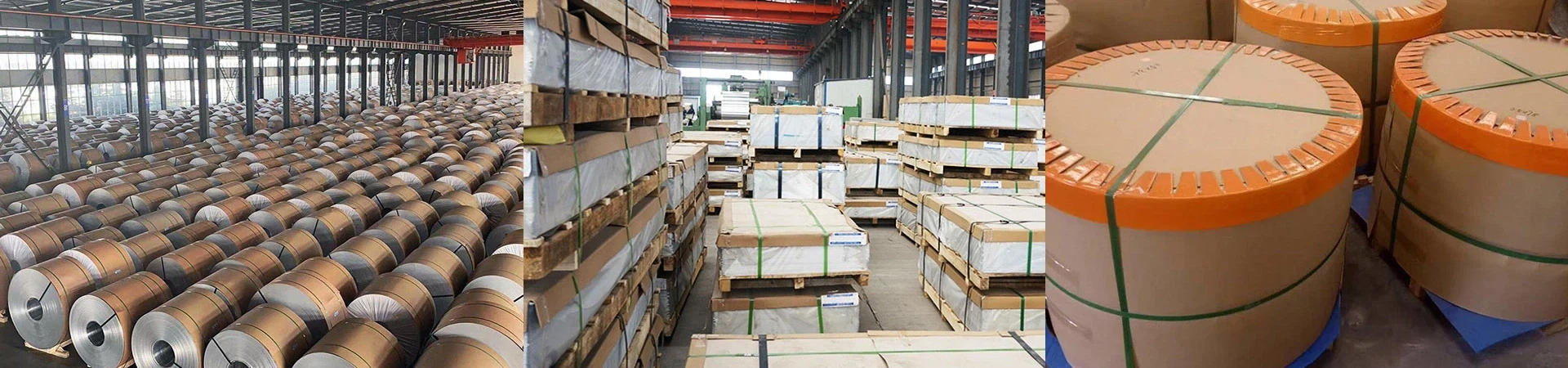
Aluminum is valuable, and long-distance sea freight can be risky if packaging is cheap. We completely eliminate the risk of damage, bending, or white rust corrosion.
Seaworthy Export Packaging:
Strong wooden pallets or steel pallets designed for heavy loads.
Wrapped in waterproof kraft paper and heavy-duty PE film to block ocean moisture.
Hard edge protectors strapped tightly to prevent corner damage during container unloading.

Delivery Details:
Lead Time: 7 to 25 days depending on the rolling schedule.
Shipping: We ship globally directly from the manufacturer to your destination port.
Why Choose GNEE as Your Manufacturer?
GNEE is a leading, professional aluminum supplier trusted by global buyers in the construction, transport, and manufacturing sectors.
- 18+ Years Export Experience: We know exactly how to handle international standards, customs declarations, and safe shipping.
- Stable Supply: We are a direct manufacturer of 3003 aluminum tread plate, 5052 checker plate, and specialized 3003/3004 aluminum corrugated plate.
- Customization: We cut to your exact width and length and offer custom thickness and pattern designs.


