

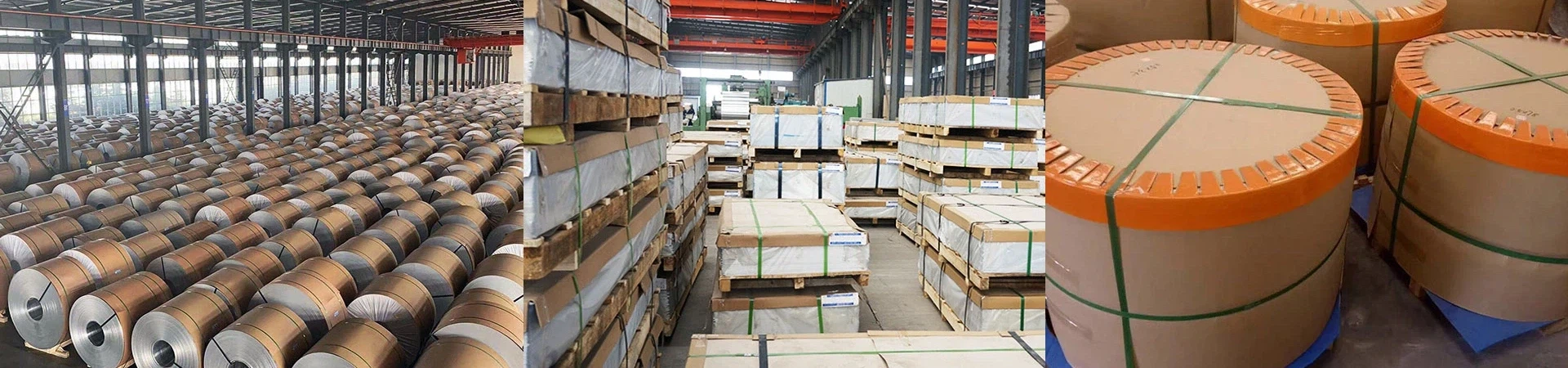
When sourcing metal materials for industrial fabrication, choosing the right aluminum alloy is the most critical decision a procurement manager or engineer will make. Two of the most commonly specified materials in the global market are 5052 H32 and 3003 H14 aluminum sheets.
While both alloys look identical on the surface, their internal chemistry, mechanical strength, and manufacturing behaviors are vastly different. If you choose the wrong material, you risk structural failure, severe corrosion, or metal deformation during CNC punching and bending.
This comprehensive technical guide compares 5052 H32 and 3003 H14 side-by-side to help you determine which alloy is best suited for marine structures, metal roofing, and perforated aluminum sheets.
What are 5052 H32 and 3003 H14 Aluminum?
To understand how these metals perform, we must first look at their alloy series and their specific temper conditions.
5052 Aluminum (Al-Mg Series)
5052 belongs to the 5xxx series of aluminum alloys. Its primary alloying element is Magnesium (Mg), which makes up about 2.2% to 2.8% of the metal. The addition of magnesium gives 5052 extremely high strength and exceptional corrosion resistance, especially in harsh saltwater environments.
3003 Aluminum (Al-Mn Series)
3003 belongs to the 3xxx series. Its primary alloying element is Manganese (Mn), making up roughly 1.0% to 1.5% of the composition. Manganese increases the strength of pure aluminum by about 20% while maintaining excellent formability, workability, and a very economical price point.

Understanding the Temper (5052 H32 vs 3003 H14)
The "H" number defines how the metal was processed to achieve its final hardness.
- H32 Temper (Used in 5052): This means the metal is strain-hardened (cold worked) and then stabilized with a low-temperature thermal treatment. The "2" indicates a quarter-hard state. The stabilization process prevents the metal from losing its mechanical properties over time, making it highly stable.
- H14 Temper (Used in 3003): This means the metal is strain-hardened without thermal stabilization. The "4" indicates a half-hard state. It offers a great balance between rigid strength and easy bending.
Chemical Composition of 5052 H32 and 3003 H14 Aluminum
The performance gap between these two alloys is entirely driven by their chemical makeup. Here is the standard chemical composition breakdown:
| Element | 5052 H32 (%) | 3003 H14 (%) |
| Magnesium (Mg) | 2.2 – 2.8 | - |
| Manganese (Mn) | ≤ 0.1 | 1.0 – 1.5 |
| Copper (Cu) | ≤ 0.1 | 0.05 – 0.20 |
| Silicon (Si) | ≤ 0.25 | ≤ 0.6 |
| Iron (Fe) | ≤ 0.4 | ≤ 0.7 |
Core Conclusion:
The 5052 alloy relies on Magnesium to build its structural toughness and saltwater resistance. In contrast, the 3003 alloy relies on Manganese, which keeps the metal softer, highly malleable, and perfect for complex forming operations.
Mechanical Properties of 5052 H32 and 3003 H14 Aluminum
When engineering structural components or load-bearing panels, you must check the mechanical limits.
| Property | 5052 H32 | 3003 H14 |
| Tensile Strength | 210 – 260 MPa | 140 – 180 MPa |
| Yield Strength | ≥ 130 MPa | ≥ 115 MPa |
| Elongation | 6% – 12% | 5% – 8% |
| Hardness | Higher | Medium |
| Fatigue Resistance | Excellent | Standard |
Core Conclusion:
5052 H32 has a tensile strength that is roughly 30% to 50% higher than 3003 H14. Furthermore, 5052 has excellent fatigue resistance, meaning it can withstand heavy vibrations (like a boat engine or highway traffic) without cracking. 3003 H14, while weaker, is much easier to process with standard workshop tools.
Corrosion Resistance of 5052 H32 and 3003 H14 Aluminum
| Environment | 5052 H32 | 3003 H14 |
| Marine (Saltwater) | Excellent | Fair |
| Industrial (Chemical) | Very Good | Very Good |
| Humid / Rainwater | Excellent | Very Good |
Core Conclusion:
5052 is a true Marine Grade aluminum alloy. It will not easily pit or degrade when exposed to seawater or salty coastal air. 3003 has great general rust resistance for standard rain and humidity, but it will corrode if used in direct marine environments.
Formability & Fabrication
| Fabrication Factor | 5052 H32 | 3003 H14 |
| Bending (90 degrees) | Good | Excellent |
| Deep Drawing | Fair | Excellent |
| Welding | Excellent | Excellent |
| Machining / Cutting | Fair | Good |
Core Conclusion:
If your product requires deep drawing (like making a kitchen sink or complex HVAC casings), 3003 H14 is the winner. If your product requires high structural integrity and heavy welding, 5052 H32 is the better choice.
Perforated Sheet Performance
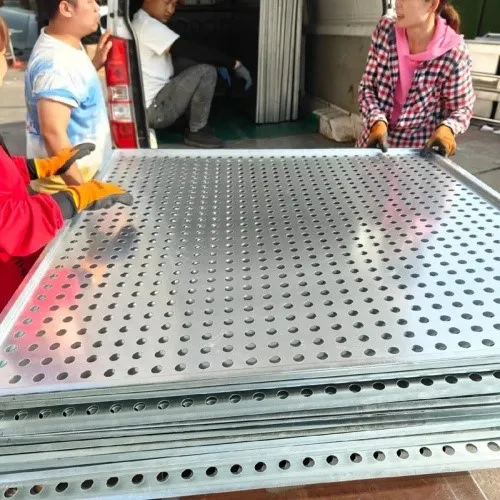
Manufacturing a perforated aluminum sheet involves punching thousands of holes into the metal using high-pressure CNC machines. This process releases massive internal stress, which often causes low-quality metal to warp, bend, or curve like a wave.
| Perforation Factor | 5052 H32 | 3003 H14 |
| Deformation Resistance | Excellent | Standard |
| Post-Punching Flatness | Excellent | Standard |
| High Open Area (>40%) | Safe to use (✔) | High risk of warping (⚠) |
| Decoration Quality | High-end | Economical |
Core Conclusion:
Because 5052 H32 is thermally stabilized and stronger, it stays perfectly flat even when punched with a very high open area. It is the mandatory choice for premium architectural perforated panels. 3003 H14 is acceptable for standard perforated screens or ventilation panels with lower open areas, where slight waving is visually acceptable.
GNEE specializes in CNC punching 5052 and 3003 aluminum sheets. We guarantee strict flatness control and custom hole patterns to match your CAD drawings.
Contact Our Engineering Team for a Free Quote Today
Typical Applications of 5052 H32 and 3003 H14 Aluminum Perforated Sheet
Because of their unique characteristics, these two alloys dominate different industries.
Typical Applications for 5052 H32 perforated aluminum panels :
- Marine Structures: Boat hulls, ship decks, and offshore platform equipment.
- Architecture: High-end architectural façade cladding and exterior sunshade panels.
- Transportation: Fuel tanks, pressure vessels, and truck trailers (due to high vibration fatigue resistance).
- Perforation: Premium decorative perforated sheets requiring perfect visual flatness.


Typical Applications for 3003 H14 perforated aluminum panels:
- Construction: Metal roofing panels, corrugated sheets, and wall siding.
- HVAC Systems: Air ducts, ventilation grilles, and exhaust covers.
- Food Industry: Kitchen equipment, refrigerators, and ice cube trays.
- Perforation: General industrial sorting screens, acoustic ceiling panels, and economical perforated meshes.

Price Comparison of 5052 H32 and 3003 H14 Aluminum Alloy
Procurement is always about balancing performance with budget.
| Alloy Grade | Price Level |
| 5052 H32 | Higher (Premium) |
| 3003 H14 | More Economical |
Core Logic:
Generally, 5052 aluminum is about 1.2 to 1.5 times more expensive than 3003 aluminum. This is because magnesium is a more expensive raw material than manganese, and the H32 stabilization process requires more time and energy in the factory. You should only pay for 5052 if you specifically need high structural strength, marine-grade corrosion resistance, or strict perforation flatness. Otherwise, 3003 is the most cost-effective solution for standard engineering.
Surface Treatment of GNEE perforated aluminum panels
Both alloys accept surface treatments extremely well, which is necessary to prevent surface oxidation and match architectural colors.
| Treatment Type | Feature |
| Anodized | Creates a hard protective layer; 5052 anodizes better visually than 3003. |
| Powder Coating | Provides rich colors and a thick decorative finish. |
| PVDF Coating | The ultimate outdoor coating; provides 20+ years of UV and weather resistance for building facades. |
Specifications Of 5052 H32 and 3003 H14 perforated aluminum panels
When ordering from a professional aluminum supplier, you need to know the standard manufacturing ranges.
| Parameter | Standard Range / Capability |
| Thickness | 0.5 mm – 6.0 mm |
| Standard Width | 1000 mm / 1220 mm / 1500 mm |
| Standard Length | 2000 mm / 2440 mm / Custom cut-to-length |
| Perforated Hole Size | 0.8 mm – 20 mm |
| Open Area % | 10% – 60% (Customizable based on structural limits) |
Quality Control Standard
To ensure seamless installation on the job site, strict factory quality control is required. As a premium supplier, GNEE enforces the following limits:
- Thickness Tolerance: ±0.02 mm to ensure consistent weight and strength.
- Punching Tolerance: ±0.05 mm for perfect hole pitch alignment.
- Edge Quality: Clean cuts with no sharp burrs or micro-cracks.
- Flatness Control: Passed through heavy leveling rollers before packaging to ensure a completely flat surface.

Packaging & Delivery
Shipping metal panels internationally requires heavy-duty protection to prevent bending, moisture damage, and surface scratching. GNEE's standard export packaging process includes:
- Surface Protection: PVC protective film applied directly to the metal face.
- Moisture Barrier: Wrapped tightly in waterproof kraft paper.
- Base Support: Stacked on heavy-duty fumigated wooden pallets or steel pallets.
- Ocean Freight Securing: Fastened with high-tension steel strapping to prevent movement inside the shipping container.
We support custom cut-to-size processing, full project-based packaging, and reliable global export logistics.

Certifications
Your local construction codes or manufacturing safety standards require verified materials. Both our 5052 and 3003 aluminum sheets strictly comply with international standards:
- ASTM B209 (Standard Specification for Aluminum and Aluminum-Alloy Sheet)
- EN 485 (European Standard for Aluminium and Aluminium Alloys)
- ISO 9001 (Quality Management System)
- RoHS / REACH (Environmental compliance for safe, non-toxic materials)

Why Choose GNEE?
GNEE is a leading, professional aluminum supplier in China, trusted by global manufacturers and construction contractors.
- Core Focus: We specialize deeply in 3003, 5052, and 5083 aluminum sheets.
- Custom Perforation: We have strong custom mold development capabilities to match any specific hole pattern or open area requirement.
- Global Experience: Decades of experience supplying raw materials for overseas architectural facades, marine engineering, and industrial projects.
- Advanced Flatness Tech: We utilize advanced tension-leveling machinery to guarantee high flatness, especially for demanding 5052 perforated sheets.
- Fast Delivery: Large raw material inventory ensures rapid production and efficient global export.


