

Why 3003 Aluminum for Radiators?
When stamping plants and radiator factories source metal, they cannot use pure 1000-series aluminum because it is too soft to hold a structural shape under pressure. They cannot use 5000-series aluminum because it is difficult to braze in high-temperature furnaces.
3003 aluminum: The addition of manganese gives it roughly 20% more strength than pure aluminum. It conducts heat rapidly, resists corrosion from coolant fluids and environmental moisture, and, most importantly, it handles both high-speed stamping and high-temperature brazing extremely well.
In short: It is easy to process, highly efficient at transferring heat, and cost-effective for mass production.
Standard Specifications for Radiator-Grade 3003 Aluminum
Before ordering materials, you need to match your machine requirements with the right standard specifications. Below is the standard data for 3003 radiator aluminum:
| Parameter | Standard Specification | Practical Meaning for Production |
| Alloy Grade | 3003 Aluminum (Al-Mn) | Industry standard for thermal management. |
| Tempers | O (Soft) / H14 (Half-Hard) | O for deep folding, H14 for rigid parts. |
| Thickness Range | 0.2 mm – 1.0 mm | Thin enough for heat transfer, thick enough for strength. |
| Width Range | 10 mm – 2000 mm | Wide coils for plates, narrow slit coils for fins. |
| Surface Condition | Mill finish / Degreased | Must be oil-free for brazing. |
| Standards | ASTM B209 / EN 485 | International compliance for automotive parts. |
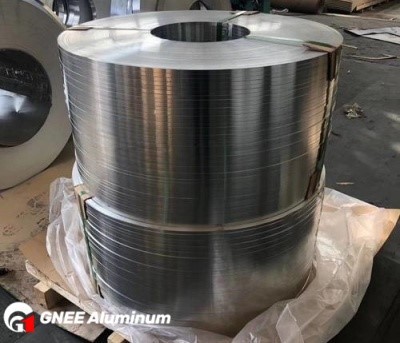

3003 O Aluminum Fin Stock
The core of any radiator consists of hundreds of zigzagging metal fins. These fins capture the heat from the liquid tubes and allow the airflow to blow it away. Radiator fins require extremely thin aluminum.
For this part, manufacturers buy 3003 O temper fin stock. The "O" means fully annealed. The metal has been heated until it is completely soft, removing all internal stresses.
Why O Temper for Fins?
Fins are usually produced on high-speed fin rolling machines. The 0.2mm or 0.3mm aluminum strip is fed into a machine that folds it like an accordion hundreds of times a minute.
If the metal is too hard, it will crack at the sharp folding corners. If the elongation is inconsistent, the fin height will vary, and it won't touch the cooling tubes properly, destroying the heat transfer efficiency. 3003 O provides maximum ductility, ensuring perfect, unbroken fins even at high production speeds.
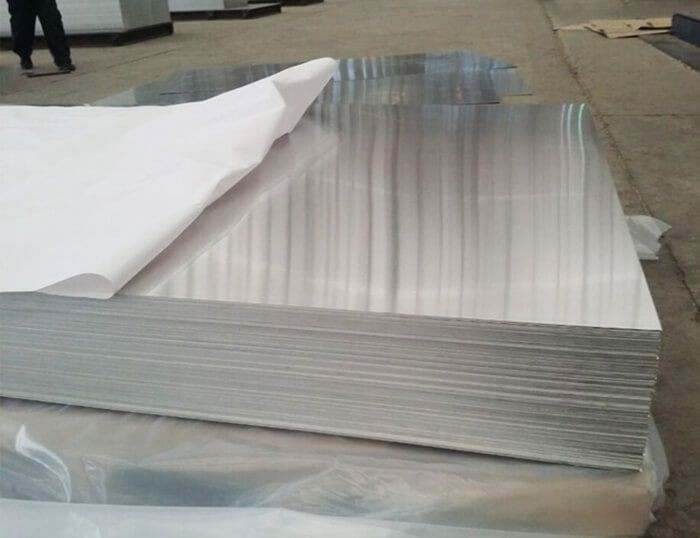
3003 H14 Aluminum Sheet
While the fins do the cooling, the core plates (header plates) and side panels hold the entire heat exchanger together. The tubes pass through these header plates. This part of the radiator needs structural rigidity. It must hold the weight of the coolant and handle engine vibrations.
For these structural parts, factories use 3003 H14 aluminum sheets. "H14" means the metal is strain-hardened to a half-hard condition during the rolling process.
Why 3003 H14 Temper for Plates?
3003 H14 is significantly stiffer than the O temper. When you stamp holes into an H14 sheet to create slots for the cooling tubes, the metal does not warp or collapse. It provides a tight, strong grip on the tubes, ensuring a stable structure before the radiator goes into the brazing furnace. In real production, most auto parts factories order a combination: O-temper coils for the fins and H14 coils for the header plates.
Thickness Selection Guide by Radiator Component
Choosing the correct thickness is critical. If it is too thick, the radiator is heavy and wastes money. If it is too thin, the radiator will burst under pressure.
| Application Part | Recommended Thickness | Key Function |
| Radiator Fins | 0.2 mm – 0.4 mm | Maximum surface area for heat dissipation. |
| Header / Core Plates | 0.4 mm – 0.8 mm | Hold the cooling tubes firmly in place. |
| Side Panels / Casings | 0.6 mm – 1.0 mm | Provide an overall structural frame and stability. |
Mechanical Properties of 3003 O and H14 Aluminum
For your stamping die setup and engineering calculations, here are the typical mechanical property ranges for 3003 aluminum used in heat exchangers.
| Property | 3003-O Temper | 3003-H14 Temper |
| Tensile Strength | 95 – 130 MPa | 140 – 180 MPa |
| Yield Strength | ≥ 35 MPa (Low) | ≥ 115 MPa (Medium) |
| Elongation | ≥ 25% (High) | ≥ 8% (Moderate) |
| Formability Focus | Excellent for deep folding | Good for rigid hole punching |
Why Choose GNEE as Your Aluminum Supplier?
Not every aluminum mill is equipped to supply the automotive cooling industry. Commercial aluminum is not the same as radiator-grade aluminum.
At GNEE, we focus on aluminum materials for automotive and industrial cooling systems. We provide:
- Strict control over chemical composition to ensure high thermal conductivity.
- Precise thickness tolerances so your fin machines run smoothly without jamming.
- Strictly degreased surfaces to guarantee a zero-defect brazing process.
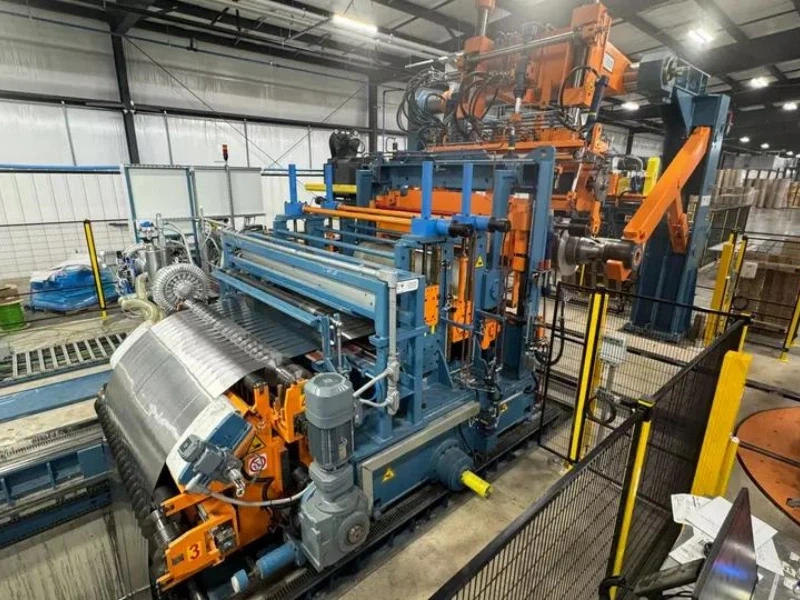
- Custom precision slitting with burr-free edges.
- Extensive export experience, ensuring safe, moisture-free delivery to your factory doors.
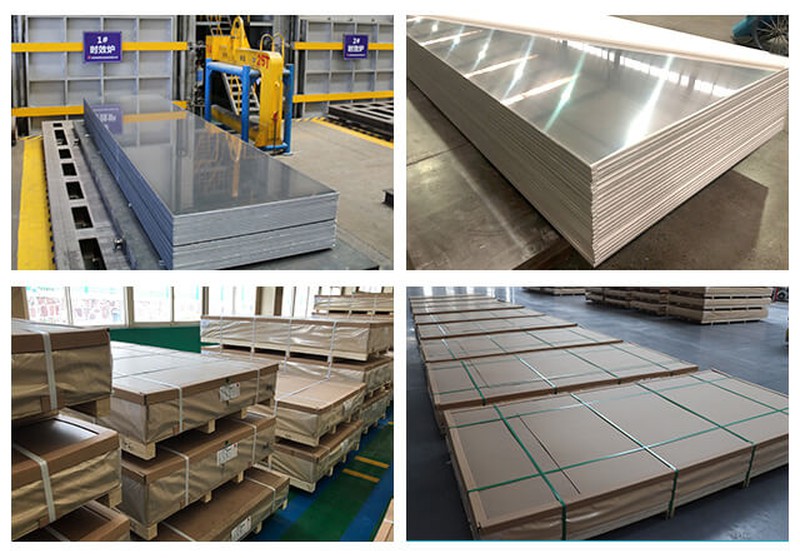
Keep your radiator production lines running smoothly with stable, high-quality material. If you are sourcing 3003 aluminum, please send us your requirements:
Application (Fins, Header Plates, or Side Panels)
Temper required (O or H14)
Exact Thickness and Width (in mm)
Estimated Order Quantity
Contact us today. Our technical sales team will review your specifications and provide a competitive, direct-from-mill quotation within 24 hours.


