

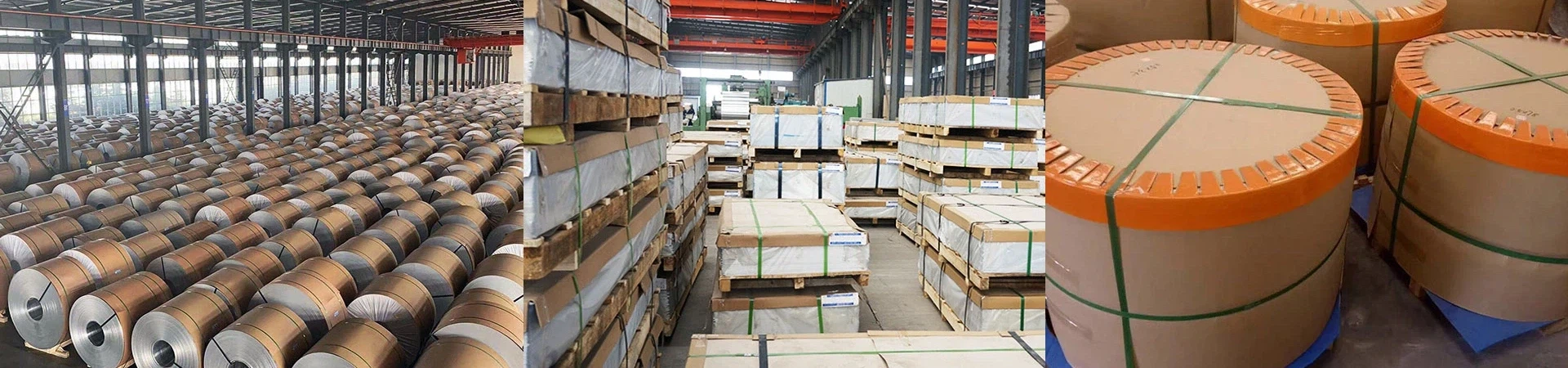
GNEE Marine Aluminum Tubing is a vital material in the maritime and offshore industries, valued for its outstanding corrosion resistance, lightweight nature, and versatile mechanical properties. Made from marine-grade aluminum alloys, this tubing is widely used in fluid handling systems and lightweight structural applications aboard vessels, offshore platforms, and coastal infrastructure.
Overview of Marine Aluminum Tubing
GNEE Marine Aluminum Tubing features hollow cylindrical profiles manufactured from high-performance marine alloys such as 5083, 5052, 6061, and 6082. These alloys are engineered to withstand harsh marine conditions, including saltwater corrosion, humid atmospheres, and mechanical stress.
The tubing offers an optimal combination of strength, corrosion resistance, and weight savings, making it ideal for fluid transport and the construction of lightweight, durable structural elements. Its adaptability allows seamless integration into various marine systems, providing reliable, long-lasting, and maintainable solutions.
Key Properties of Marine Aluminum Tubing
Exceptional Corrosion Resistance: Forms a tough anodic oxide layer naturally protecting against pitting and crevice corrosion in seawater and marine environments.
Lightweight: With a density around 2.66–2.7 g/cm³, it reduces vessel weight, enhancing fuel efficiency and payload capacity.
High Strength: Alloys such as 6061 and 6082 provide excellent tensile and yield strength for structural reliability under dynamic marine loads.
Good Thermal Conductivity: Aluminum efficiently maintains fluid temperature and dissipates heat from nearby machinery.
Fabrication Versatility: Easily cut, formed, welded, and machined to accommodate custom fluid system layouts and structural designs.
Common Marine Aluminum Alloys for Tubing
| Alloy | Characteristics | Typical Marine Applications |
|---|---|---|
| 5083 | High magnesium (4.0–4.9%), outstanding corrosion resistance | Seawater piping, fluid tanks |
| 5052 | Excellent formability, corrosion resistant | Non-pressurized conduits, protective tubing |
| 6061 | Heat-treatable, strong, weldable | Pressure vessels, structural tubing |
| 6082 | High strength, good corrosion resistance | Structural supports, fluid handling components |
Applications in Marine Fluid Systems
Fuel and Oil Lines: Lightweight, corrosion-resistant tubing for safe and reliable fuel and lubrication circuits aboard vessels.
Freshwater and Potable Water Pipes: Maintains water purity and resists corrosion in freshwater distribution systems.
Hydraulic and Pneumatic Systems: Durable tubing for steering systems, cranes, winches, and other marine machinery.
Cooling and HVAC Systems: Acts as heat exchangers, coolant conduits, and ventilation tubing, leveraging aluminum's thermal conductivity.
Wastewater and Bilge Systems: Corrosion-resistant pathways for sewage, gray water, and bilge fluids aboard ships and offshore rigs.
Applications in Lightweight Marine Structures
Frames and Supports: Tubing forms frames for superstructures, deck furnishings, and equipment mounts, providing strength with minimal weight.
Guardrails and Safety Barriers: Corrosion-resistant tubes for durable deck railings and offshore platform barriers.
Ladders and Stair Rails: Lightweight and sturdy tubing ideal for marine ladders and handrails exposed to salt spray.
Tents, Awnings, and Shade Structures: Tubular frames resist environmental degradation while maintaining structural integrity.
Custom Marine Components: Fabricated into masts, spars, antenna supports, and other intricate structural elements.

Manufacturing and Quality Control
Extrusion and Rolling: Tubes are typically formed via extrusion or precision rolling from billet aluminum for consistent dimensions and wall thickness.
Heat Treatment: Depending on the alloy, tubes may be solution heat-treated and aged (e.g., T6 temper) for optimal strength.
Surface Finishes: Mill finish is standard; anodizing or powder coating is available for enhanced corrosion resistance and aesthetics.
Testing: Tubing undergoes rigorous dimensional, mechanical, and corrosion testing to meet marine and offshore standards.
Benefits Compared to Alternative Materials
| Feature | GNEE Marine Aluminum Tubing | Stainless Steel Tubing | Steel Tubing |
|---|---|---|---|
| Corrosion Resistance | Excellent in seawater without coatings | High, but heavier and costlier | Poor without coatings |
| Weight | Lightweight (~2.7 g/cm³) | Heavy (~7.7–8.0 g/cm³) | Heavy (~7.85 g/cm³) |
| Fabrication Ease | Easily machined, welded, formed | More difficult, expensive | Labor-intensive, heavy |
| Thermal Conductivity | High (~150–180 W/m·K) | Lower (~15–25 W/m·K) | Low (~50 W/m·K) |
| Cost | Moderate | High initial cost | Low material cost, higher maintenance |
Maintenance Guidelines
Rinse tubing regularly with fresh water to remove salt deposits.
Use mild detergents and soft brushes to avoid surface damage.
Inspect fittings and welds for wear, corrosion, or fatigue.
Reapply protective coatings or anodizing in highly aggressive marine areas.
Insulate aluminum tubing from dissimilar metals to prevent galvanic corrosion.
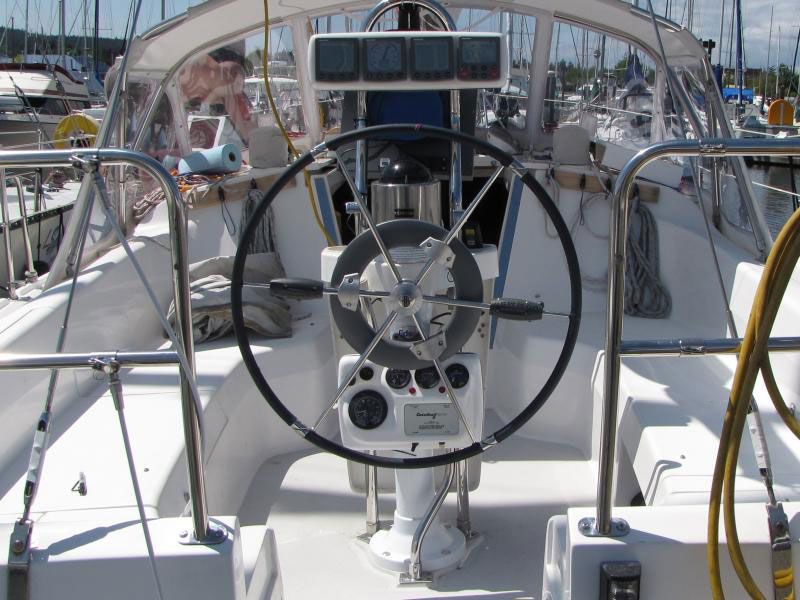
GNEE Marine Aluminum Tubing provides an exceptional combination of corrosion resistance, strength, and lightweight properties, making it ideal for fluid systems and structural components aboard marine vessels and offshore platforms. Its adaptability and durability reduce maintenance, enhance vessel performance, and support sustainable marine engineering.
For custom sizing, alloy selection, or technical support, contact GNEE's marine aluminum specialists for solutions tailored to your project requirements.


