

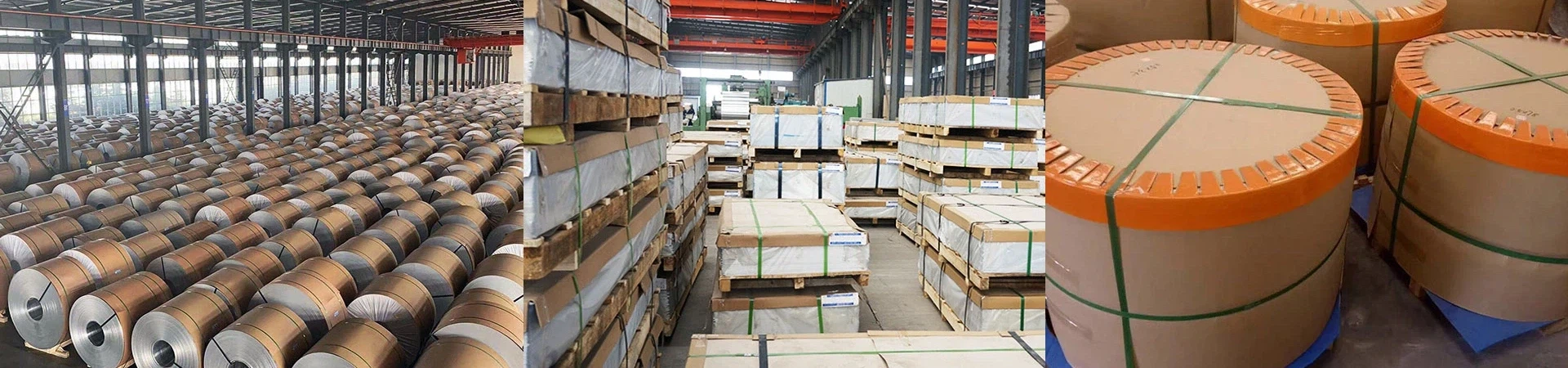

For marine environments, 5083 aluminum is the best choice due to its superior seawater corrosion resistance and exceptional post-weld strength. 6061 aluminum offers better machinability and high structural precision. When sourcing for marine tubes and hull piping, 5083 is highly preferred over 6061.
What Is 5083 Aluminum?
Let's look at the chemistry. 5083 belongs to the 5xxx series (Al-Mg) alloys. It is a non-heat-treatable alloy, meaning its strength is achieved through cold working rather than thermal treatment. Its primary alloying element is magnesium (4.0% to 4.9%), which gives it its legendary resistance to intergranular corrosion in saltwater. You will typically see it specified in the H116, H321, or H111 tempers for heavy-duty applications.
What Is 6061 Aluminum?
6061 is the most popular alloy in the 6xxx series (Al-Mg-Si). Unlike 5083, it is heat-treatable. Through a process of solution heat treatment and artificial aging, it achieves its highest strength in the T6 or T651 temper. It is the absolute standard for general structural engineering due to its excellent machinability and high structural yield strength.
Key Differences of 5083 vs 6061 Aluminum
Engineers often debate between these two grades. Here is the direct, technical comparison you need for your material selection:
| Property | 5083 Aluminum | 6061 Aluminum |
| Alloy Type | 5xxx (Al-Mg) | 6xxx (Al-Mg-Si) |
| Heat Treatable? | No (Strain Hardened) | Yes (T4, T6 Tempers) |
| Strength | Medium-High | High (after T6 treatment) |
| Corrosion Resistance | Exceptional in saltwater | Good, but requires protection in marine use |
| Weldability | Excellent (Retains strength) | Good (But loses up to 50% strength at the weld joint) |
| Machinability | Moderate (Can be gummy) | Excellent (Produces clean chips) |
| Marine Use | The industry standard | Above waterline only, requires coatings |
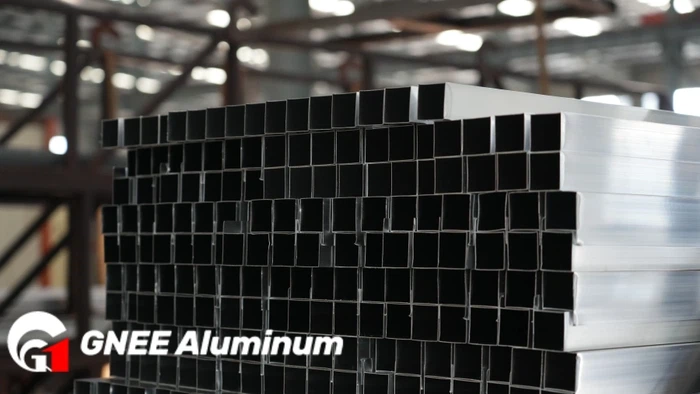
Why Marine Grade Aluminum 5083 Is Preferred for Shipyards
If you are building a commercial workboat or an offshore platform, marine-grade aluminum 5083 is the mandatory choice for three reasons:
- Unmatched Seawater Resistance: The high magnesium content creates a self-healing oxide layer that stops saltwater corrosion dead in its tracks. No paint or anodizing is required.
- Post-Weld Strength: Because boats require extensive welding, this is critical. When you weld 6061, the heat destroys the T6 temper, leaving the weld joint weak. 5083 retains nearly 100% of its base-metal strength in the heat-affected zone (HAZ).
- Cryogenic Performance: 5083 actually becomes stronger at freezing temperatures without becoming brittle, making it ideal for LNG carrier components.
Request Free Material Certificate Sample
When to Choose 6061 aluminum Instead
We do not recommend 5083 for everything. You should select 6061 if your project involves:
- Precision CNC Machining Parts: 6061 machines beautifully, holding tight tolerances without gumming up CNC cutting tools.
- Aerospace & Automotive Components: Where parts are bolted or riveted rather than heavily welded.
- Molds and Tooling: Where rigid structural stiffness is required in dry environments.
5083 vs 6061 Aluminum Tubes for Marine Use
Material plates are one thing, but fluid routing systems require entirely different engineering considerations. At GNEE, we supply massive quantities of both, but their tubular applications are strictly divided:
- 5083 Aluminum Tube: This is your marine pipeline. Because it can handle high pressure and constant seawater exposure, the 5083 aluminum tube is used for below-deck diesel fuel systems, heavy-duty offshore hydraulics, desalination lines, and welded mast structures.
- 6061 Aluminum Pipe: This is your structural frame. The 6061 aluminum pipe is used for marine scaffolding, interior handrails, and precision mechanical frames that sit far above the waterline and are bolted rather than welded.
Mechanical Properties Comparison for 5083 & 6061 Aluminum Tubing
Do not guess your pressure ratings. Review the mill data for the most common tubular tempers:
| Mechanical Property | 5083-H111 (Typical Tube Temper) | 6061-T6 (Typical Pipe Temper) |
| Tensile Strength (Ultimate) | ~275 MPa (40,000 psi) | ~310 MPa (45,000 psi) |
| Yield Strength (Minimum) | ~165 MPa (24,000 psi) | ~275 MPa (40,000 psi) |
| Elongation | 14 - 16% (Better for bending) | 8 - 12% (More rigid) |
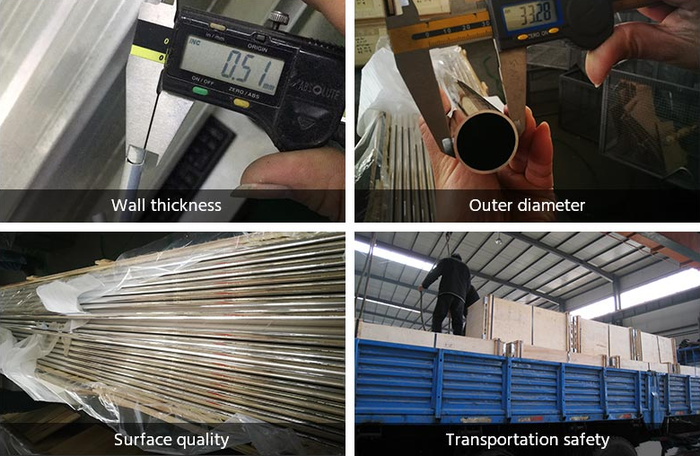
Standards for Marine Aluminum Tubes
As a trusted aluminum tube supplier from China, GNEE ensures that your piping will not fail inspection. When you purchase 5083 or 6061 tubes for marine projects, they must meet strict global standards.
- ASTM B241: Standard specification for aluminum seamless pipe and extruded tube.
- ASTM B210: Standard for drawn seamless tubes (critical for high-pressure 5083 hydraulic lines).
- Marine Society Certifications: We can supply materials backed by ABS, DNV, LR, and BV mill test certificates upon request.
Looking for 5083 or 6061 Aluminum Tubes?
Whether you need high-strength 6061 structural pipes or corrosion-resistant 5083 marine tubing, GNEE provides factory-direct price advantages and complete traceability.
Our Tubing Supply Capabilities:
- Available Alloys: 5083, 6061 (Also 5052, 5086).
- Available Tempers: H111, H116, T6, T651, O.
- Tube Types: Mandrel Extruded Seamless Tubes (for pressure) and Porthole Extruded Pipes (for structural framing).
Stop dealing with trading companies that delay your project and supply uncertified metal.
(Form Fields: Alloy (5083 / 6061) | OD & Wall Thickness | Quantity | Application (Marine / Industrial) | Email)


