



When engineering fluid systems, marine structures, or heavy-duty frameworks, selecting the right aluminum alloy is a critical decision. A common dilemma for engineers and procurement managers is choosing between a 5086 aluminum pipe and a 6061 aluminum pipe.
Make the wrong choice, and your project could suffer from rapid saltwater pitting corrosion or insufficient structural yield strength, leading to catastrophic system failures and costly downtime.
At GNEE, we have supplied thousands of tons of piping to shipyards and industrial plants worldwide. In this technical guide, we strip away the marketing noise to objectively compare 5086 and 6061 aluminum pipes. We will break down their metallurgy, mechanical limits, and practical applications so you can specify the exact material your blueprint demands.
Get Free Quote for 5086 Aluminum Pipe
What Are 5086 Aluminum Pipe and 6061 Aluminum Pipe?
To understand how these pipes perform, you must first look at their chemical composition.
- 5086 Aluminum Pipe (The Marine Specialist): This is a 5xxx-series alloy, meaning its primary alloying element is Magnesium (Al-Mg). It is a non-heat-treatable alloy that gains its strength through solid-solution strengthening and strain hardening (cold working). 5086 is the undisputed core material for extreme corrosion resistance.
- 6061 Aluminum Pipe (The Structural All-Rounder): This belongs to the 6xxx series, alloyed with Magnesium and Silicon (Al-Mg-Si). It is a heat-treatable alloy, most commonly supplied in the T6 temper. 6061 is famous for its excellent structural strength and superior machinability.
As a professional aluminum pipe supplier, we constantly remind clients: 5086 is for surviving harsh environments; 6061 is for raw structural strength and machining.
Performance Comparison: 5086 vs 6061 Aluminum Pipe
| eature / Property | 5086 Aluminum Pipe | 6061 Aluminum Pipe |
| Alloy Type | Al-Mg (5xxx Series) | Al-Mg-Si (6xxx Series) |
| Corrosion Resistance | ⭐⭐⭐⭐⭐ (Marine Grade) | ⭐⭐⭐ (Moderate / General) |
| Medium-High | High (in T6 Temper) | |
| Weldability | Excellent (Retains strength) | Good (Significant strength loss in HAZ) |
| Machinability | Fair / Moderate | Excellent |
| Typical Tempers | H111 / H116 / O | T6 / T651 |
Why Do Marine Engineering Projects Prioritize 5086 Marine Aluminum Pipe?
If your pipeline touches seawater, 6061 is generally a liability. In our engineering experience, shipyards prioritize the 5086 marine aluminum pipe for one specific reason: survival.
- Immunity to Saltwater Pitting: The high magnesium content in 5086 allows it to form a dense, self-healing oxide layer that completely blocks chloride ions. It will not pit or rust in raw seawater.
- Resistance to SCC: It is highly resistant to Stress Corrosion Cracking (SCC) under heavy hydrodynamic loads.
- Lower Lifecycle Costs: Because a marine grade aluminum pipe like 5086 does not require expensive protective coatings or frequent replacement, it drastically reduces the long-term maintenance costs of offshore assets.
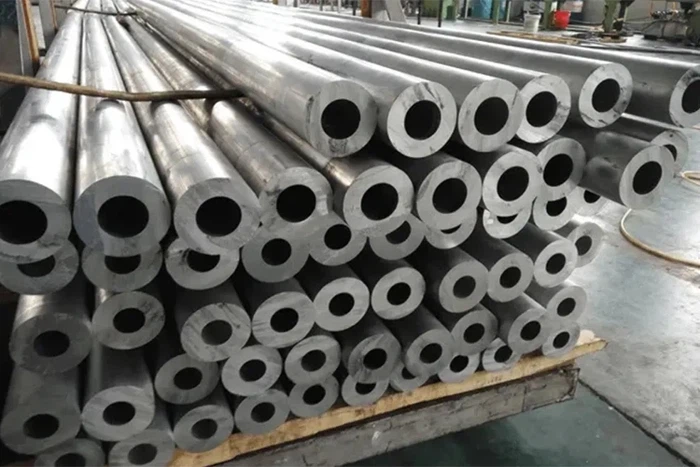
Typical Applications of 5086 Corrosion Resistant Aluminum Pipe
Because of its unique metallurgical profile, the 5086 alloy is deployed in sectors where material failure is not an option.
- Marine & Offshore (High Demand): It is the standard aluminum pipe for shipbuilding, used for ship hull piping, deck structures, mast supports, and offshore drilling rig cooling systems.
- Transportation: Extensively used in manufacturing tanker trucks, liquid gas transport, and lightweight vehicle chassis where a high strength-to-weight ratio is vital.
- Chemical Industry: Specified as a corrosion resistant aluminum pipe for transporting aggressive media and mildly acidic/alkaline fluids in chemical processing plants safely.
When is 6061 Aluminum Pipe the Better Choice?
At GNEE, we believe in objective material selection. We do not just push 5086; we recommend what works. You should absolutely choose 6061 aluminum pipe if your project involves:
- Precision Machining: 6061-T6 chips beautifully on a CNC lathe, whereas 5086 can be somewhat "gummy" to machine.
- Dry Building Structures: For architectural frames, heavy-duty scaffolding, or bicycle frames where seawater is not a factor.
- High Yield Requirements: If the pipe is mechanically fastened (bolted, not welded) and requires the highest possible rigid yield strength.
By understanding the limits of both alloys, you ensure your project remains safe and on budget.
Technical Specifications of 5086 Aluminum Pipe
To design a safe fluid system, engineers need hard data. The mechanical properties of 5086 ensure it performs reliably under dynamic loads.
| Mechanical Property | Metric Value | Imperial Value |
|---|---|---|
| Tensile Strength | 275 - 350 MPa | 40,000 - 50,000 psi |
| Proof Stress (Yield) | Min. 125 MPa | Min. 18,000 psi |
| Hardness (Brinell) | ~75 HB | ~75 HB |
| Elongation | Min. 12% | Min. 12% |
Compliance & Standards: Our 5086 aluminum pipe specifications strictly comply with international standards, including ASTM B241 and ASTM B928 (which is crucial for preventing exfoliation corrosion in marine service).
Need marine-grade aluminum pipe? Contact us now
How to Choose the Right Aluminum Pipe?
Use this simple engineering decision tree to finalize your procurement:
- If the pipe operates in a seawater or highly corrosive environment → Specify 5086 aluminum pipe.
- If the project requires high-strength CNC machining and mechanical fastening → Specify 6061 aluminum pipe.
- If you need to weld the structure heavily → Prioritize 5086 aluminum pipe (6061 loses up to 50% of its strength in the heat-affected weld zone, while 5086 retains excellent joint efficiency).
Not sure? Contact GNEE's metallurgy team for free material selection advice and accurate pricing based on your blueprints.
Why Choose GNEE as Your 5086 Aluminum Pipe Supplier?
Procuring raw materials for critical infrastructure requires a partner you can trust. GNEE is a leading China aluminum pipe manufacturer with a proven track record of supplying the world's most demanding sectors.
- Extensive Marine Experience: We understand the strict requirements of the shipbuilding industry.
- Full-Size Inventory & Custom Dimensions: From standard schedules to heavy-wall custom extrusions, we deliver exactly what your drawings specify.
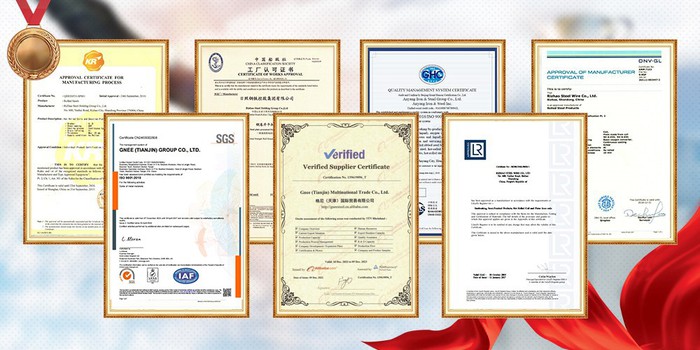
- International Certifications: Our materials can be supplied with MTC 3.1 and third-party marine surveyor stamping, including DNV, ABS, and LR certifications.
As your dedicated 5086 aluminum pipe supplier, we guarantee compliance, precision, and on-time global delivery.
Send your size & quantity → Get price within 24 hours


