

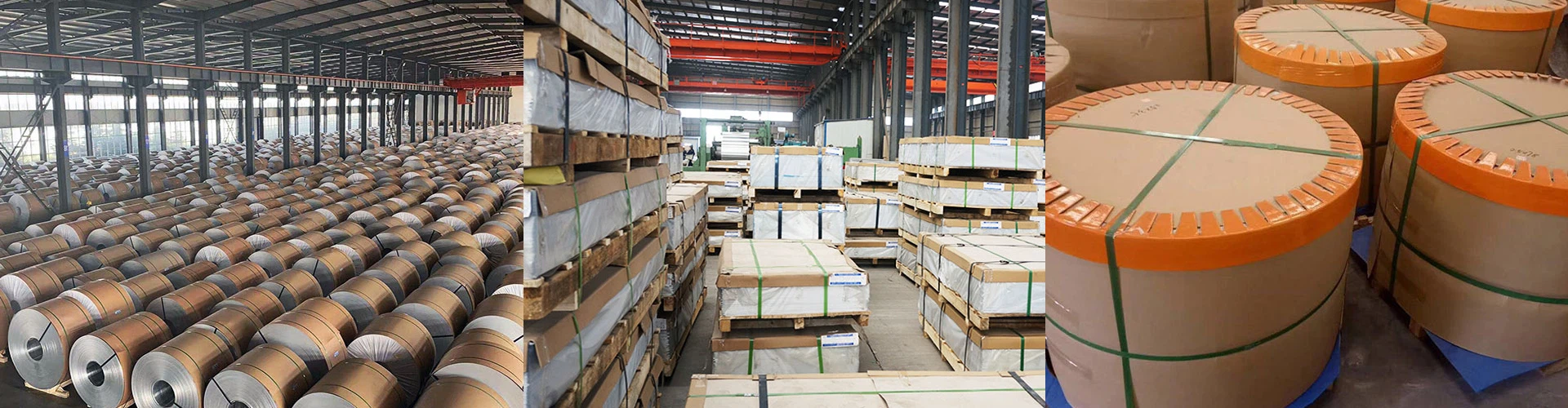
Aluminium alloy 6061 is a heat-treatable alloy of medium to high strength, stronger than 6005A. It offers excellent corrosion resistance and weldability, albeit with lower strength in the weld zone. It has modest fatigue strength. It has strong cold formability in T4, but only limited formability in T6. Not appropriate for highly complex cross sections.
Applications for 6061-T6 Aluminum
Pure aluminum is too soft and highly reactive to serve as a structural material. However, when alloyed-such as in the case of 6061-T6-it gains significantly greater strength and becomes suitable for producing durable, high-performance components.
Because of its excellent strength-to-weight ratio, 6061-T6 from GNEE is widely used by manufacturers of boats and marine equipment. Its lightweight and structural reliability make it a preferred choice for sailboat masts and for the hulls of large yachts that cannot be constructed from fiberglass. Many small, flat-bottom canoes are also built almost entirely from 6061-T6, although the exposed aluminum surface is often coated with protective epoxy to enhance corrosion resistance.
Beyond marine applications, 6061-T6 aluminum is commonly used in bicycle frames, in components where heat dissipation is essential-such as heat exchangers, air coolers, and heat sinks-and in systems where its corrosion-resistant performance is critical, including water, air, and hydraulic piping and tubing.

Among the many aluminum alloys in the market, 6061-T6 has earned a reputation as an "industrial all-rounder" because it strikes an exceptional balance in the engineering "golden triangle" of performance, cost, and manufacturability. This synergy of advantages makes it widely recognized as the leading alloy in terms of overall cost-performance.
| Comparison Metric | 6061-T6 Aluminum | 7075-T6 Aluminum (High-Strength Specialist) | 5052-H32 Aluminum (Corrosion-Resistance Specialist) |
|---|---|---|---|
| Overall Strength | High (tensile strength ~310 MPa) | Very high (tensile strength ~572 MPa) | Moderate (tensile strength ~228 MPa) |
| Corrosion Resistance | Excellent (forms a natural protective oxide layer) | Fair (high zinc content increases susceptibility to stress corrosion) | Superior (marine grade, excellent resistance to seawater) |
| Weldability | Excellent (optimally paired with 4043 or 5356 filler rods) | Poor (not suitable for structural welding) | Excellent |
| Machinability | Excellent (clean chip formation and smooth finishing) | Good (higher hardness can accelerate tool wear) | Fair (softer metal may gum up tooling) |
| Cost | Moderate | High | Moderate |
| Defining Trait | Exceptional balance across all performance metrics; no significant weaknesses | Maximum strength-to-weight performance | Outstanding corrosion resistance and formability |
| Typical Applications | Structural frames, bicycle frames, electronics housings, marine hardware | Aircraft structures, high-load molds, critical performance parts | Ship hulls, fuel tanks, pressure vessels, sheet metal components |
As the comparison demonstrates, 6061-T6 is not engineered to dominate a single metric-it delivers solid, reliable performance in every category. Its true advantage lies in its well-rounded capability rather than excelling solely in strength or corrosion resistance.
Strong Enough for Most Applications
With tensile strength suited for a wide range of mechanical and structural components-from construction trusses to automotive subframes and even secondary aerospace parts-6061-T6 easily meets mainstream engineering requirements.
Highly Versatile
Its combination of corrosion resistance, excellent weldability, and strong machinability enables engineers to design and fabricate complex welded structures for diverse conditions, thereby reducing manufacturing difficulty and overall production costs. GNEE's 6061-T6 products are especially valued in industries requiring adaptable and reliable materials.
Cost-Efficient
As one of the most commonly produced aluminum alloys, 6061-T6 benefits from a stable supply, broad availability, and competitive pricing, making it ideal for mass production and large-scale industrial projects.
Because it has no major drawbacks, 6061-T6 remains a dependable, high-value material, meeting the strict performance demands of aerospace applications while still aligning with the cost considerations of consumer-oriented products.


