

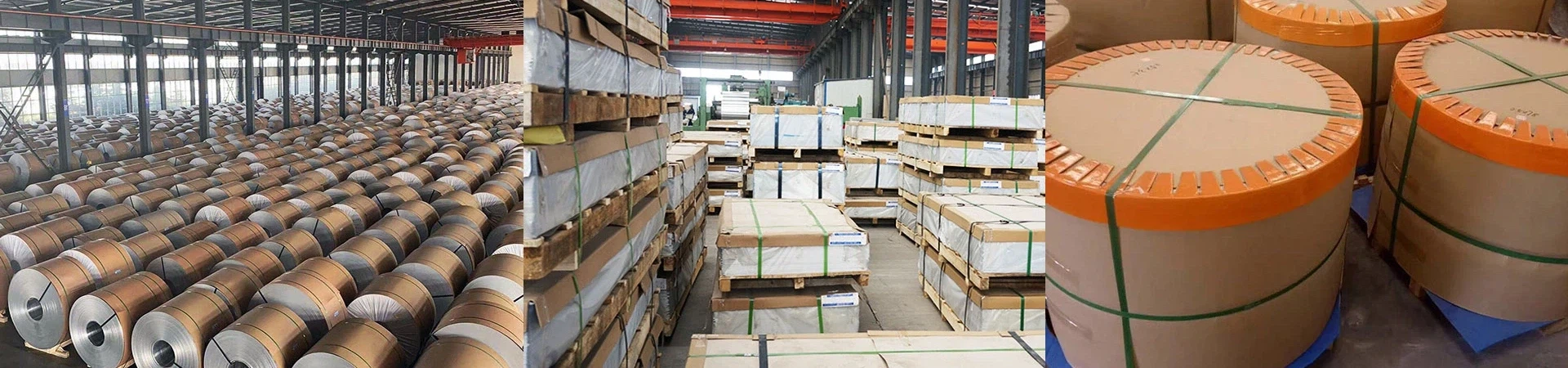
Aluminum 7075 offers greater strength and hardness than 6061, making it suitable for demanding, high-stress environments such as aerospace parts. In contrast, 6061 is more versatile overall, providing superior corrosion resistance, weldability, and machinability, which makes it a preferred choice for general engineering and CNC machining. The primary distinctions between the two alloys come from their chemical makeup: 7075 contains a high amount of zinc, while 6061 is primarily alloyed with silicon and magnesium.
Aluminum 6061
Composition: Higher levels of silicon and magnesium.
Properties:
Strong corrosion resistance
Excellent weldability, formability, and machinability
Medium strength with an efficient strength-to-weight ratio
Applications: Used in general engineering, bicycle frames, and structural parts where ease of processing is a priority.

Aluminum 7075
Composition: High zinc content.
Properties:
Much higher strength and hardness
Moderate corrosion resistance and poor weldability
Adequate machinability, though it generally requires higher cutting forces and may cause quicker tool wear
Applications: Commonly used for high-strength requirements such as aerospace and military components.
At GNEE, these alloys are supplied according to customer needs for both general fabrication and high-performance engineering applications.
What Is 6061 Aluminum?
6061 aluminum is an alloy primarily composed of silicon and magnesium, giving it strong corrosion resistance, good formability, and well-balanced mechanical properties that make it widely used across numerous industries.
This alloy can undergo heat treatment and tempering to enhance its tensile strength, yield strength, and toughness. The 6061-T6 temper, achieved through specific heat-treatment processes, is especially popular for structural applications.
6061 aluminum naturally develops a stable oxide layer for protection, and this layer can be further strengthened through anodizing-an electrochemical treatment that increases surface durability and corrosion resistance.
Known for its versatility, 6061 offers average to good machinability and performs exceptionally well in welded assemblies thanks to its excellent formability. Its superior thermal conductivity compared to many other alloys also makes it a preferred material for heat sinks and heat-dissipation components, all while remaining cost-efficient.
GNEE supplies 6061 aluminum in various forms and tempers to meet different engineering and manufacturing requirements.
What Is 7075 Aluminum?
7075 aluminum is part of the 7xxx series and is primarily alloyed with zinc, magnesium, and copper. This combination produces one of the strongest aluminum alloys available-often classified as aircraft-grade due to its exceptional mechanical performance.
As a heat-treatable alloy, 7075 can achieve significantly higher tensile and yield strengths through tempering. The 7075-T6 temper is the most widely used because it delivers outstanding strength, making it ideal for components subjected to extreme stress.
7075 aluminum can be anodized to form a protective oxide coating that enhances corrosion resistance. However, despite its impressive strength, its corrosion resistance is lower than that of 6061 aluminum because of its copper and high zinc content, which can also cause the surface to develop a brownish tint in certain environments.
Its superior hardness and wear resistance make 7075-T6 an excellent choice for demanding applications, though these same characteristics reduce its weldability and require specialized joining techniques.
7075 Aluminum vs. 6061 Aluminum: Key Differences
When evaluating 6061 vs. 7075 aluminum, the most notable distinctions lie in their compositions, mechanical properties, corrosion resistance, and suitability for different applications.
Chemical Composition
The chemical makeup of each alloy directly influences its performance.
6061 aluminum contains higher levels of silicon and magnesium, contributing to its excellent corrosion resistance and good formability.
In contrast, 7075 aluminum contains elevated amounts of zinc, along with magnesium and copper, resulting in much higher tensile and yield strength. However, the copper content lowers its corrosion resistance and often requires protective anodizing.
Chemical Composition Comparison (Weight %)-Data from MatWeb
| Element | 6061 Aluminum | 7075 Aluminum |
|---|---|---|
| Aluminum (Al) | 95.8–98.6 | 87.1–91.4 |
| Silicon (Si) | 0.40–0.80 | 0.40 max |
| Magnesium (Mg) | 0.80–1.20 | 2.10–2.90 |
| Copper (Cu) | 0.15–0.40 | 1.20–2.00 |
| Zinc (Zn) | 0.25 max | 5.10–6.10 |
| Chromium (Cr) | 0.04–0.35 | 0.18–0.28 |
| Iron (Fe) | 0.70 max | 0.50 max |
| Manganese (Mn) | 0.15 max | 0.30 max |
| Titanium (Ti) | 0.15 max | 0.20 max |
| Other (each) | 0.05 max | 0.05 max |
| Other (total) | 0.15 max | 0.15 max |
Mechanical Properties
6061-T6 aluminum provides a tensile strength of around 310 MPa and a yield strength near 275 MPa, making it well-suited for general structural and automotive components.
7075-T6 aluminum nearly doubles these values, offering a tensile strength of roughly 570 MPa and a yield strength of about 500 MPa. Its exceptional hardness and shear strength make it one of the strongest commercially available aluminum alloys.
Corrosion Resistance
Corrosion resistance is a major factor in material selection:
6061 aluminum naturally forms a protective oxide layer and responds well to anodizing, giving it strong corrosion performance-especially in marine settings.
7075 aluminum, due to its copper content, offers comparatively lower corrosion resistance and often needs additional surface treatments like anodizing to improve protection.
Weldability
6061 aluminum has excellent formability and weldability, making it widely used in welded assemblies such as vehicle bodies and structural frames.
7075 aluminum, however, has limited weldability because its high zinc content and heat-treated condition make it prone to cracking, requiring specialized welding techniques.
Thermal and Electrical Properties
6061 aluminum has higher thermal conductivity and lower electrical resistivity, making it ideal for heat sinks, thermal management components, and electronic housings.
7075 aluminum prioritizes strength over thermal performance, limiting its use in applications requiring efficient heat dissipation.
Cost and Machinability
6061 aluminum is easier to machine due to its softer structure and is more cost-effective, making it suitable for projects prioritizing affordability and manufacturability.
7075 aluminum, being harder, requires more robust tooling and increases machining costs.
Applications of 7075 Aluminum
Thanks to its superior toughness and strength, 7075 aluminum is used in many high-demand sectors:
Aerospace components, where maximum tensile and yield strength are critical
Military hardware, including weapon parts and load-bearing structures
Automotive die-cast components, where hardness and wear resistance are essential
Precision mechanical components that benefit from its excellent anodizing response
Its main limitation is poor weldability, which restricts its use in welded structures.
Applications of 6061 Aluminum
6061 aluminum offers excellent corrosion resistance, good formability, and cost advantages, making it highly versatile:
Marine Fittings
Its strong anodizing response and natural resistance to saltwater make it ideal for marine environments.
Bus Bodies & Vehicle Structures
Its formability and welding capacity make it suitable for lightweight, durable bus bodies and chassis.
Automotive Parts
Balanced strength, durability, and machinability allow 6061 to be widely used for panels, brackets, and structural components.
Welded Assemblies
Variants like 6061-T6 offer strong mechanical properties for reliable structural welds.
Thermal Management Systems
High thermal conductivity makes 6061 a top choice for heat sinks and electronic cooling applications.


